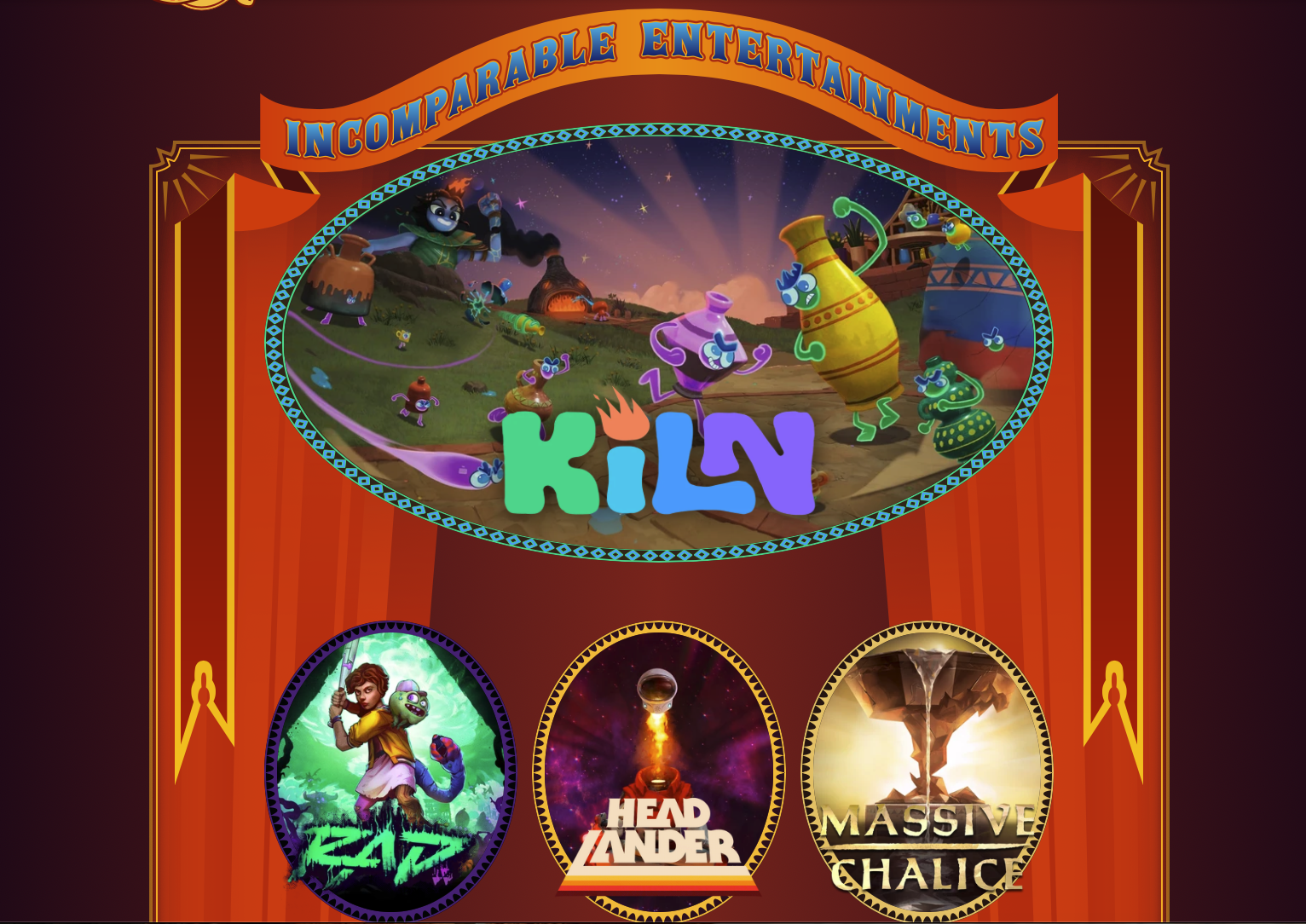
Double Fine’s decision to lay off 23 employees only weeks after regaining its independence from Xbox should surprise no one who has been paying attention to the state of the games industry. When Microsoft began spinning studios out instead of simply closing them, many observers celebrated the move as a compassionate alternative. I argued at the time that it merely sent these studios out into one of the most hostile funding environments the industry has seen in years. Independence may sound appealing, but it also means leaving behind the financial security of a platform holder and entering a market where venture capital has largely dried up, publishers have become increasingly risk-averse, and even critically acclaimed games are no guarantee of survival.
This outcome is the product of several converging forces. Microsoft’s stewardship of Xbox Game Studios under Phil Spencer demonstrated an alarming lack of disciplined project governance, with studios seemingly allowed to operate for years without the structured milestone reviews, budget oversight, and schedule accountability that are standard practice throughout much of the software industry. At the same time, Double Fine now faces the harsh realities of independence, where every payroll, every lease, and every piece of development equipment must be justified against an uncertain funding pipeline. Those pressures exist across the industry, but they are not universal. Other platform holders have demonstrated that creative studios can flourish within larger organizations when expectations are clearly defined, projects are actively governed, and leadership works collaboratively with developers to keep troubled productions on track instead of allowing problems to compound over years.

I also believe Tim Schafer when he says these layoffs were necessary. Throughout his career, Schafer has consistently been candid about the stress of securing funding and the burden that business responsibilities place on creative leadership. In fact, one of the reasons he welcomed Microsoft’s acquisition of Double Fine was because it allowed him to focus on making games instead of constantly pitching publishers and investors. That history makes his latest statement all the more credible. Rather than viewing these layoffs as a public relations exercise, I see them as an indication that Double Fine has not yet secured its next major funding agreement.
Reducing headcount buys the studio something incredibly valuable: time. Time to build a compelling prototype, prepare a strong pitch, and convince a publisher that its next project deserves investment.
Unfortunately, I don’t believe independence offers Double Fine a healthier long-term future by itself. Without a stable publishing partner, the studio will likely find itself living project to project, constantly balancing creative ambition against financial survival. Today’s publishers are far quicker to cancel projects than they were a decade ago, often writing off investments rather than committing additional funding to games that drift off schedule or exceed budget. That means Double Fine cannot afford prolonged development cycles or expensive missteps. The studio would be well served by becoming even leaner, focusing on smaller games with roughly two-year development timelines, and modernizing its production pipeline so it can deliver higher production values without proportionally increasing cost. Just as importantly, I believe the company should actively pursue partnerships—or even acquisition—by publishers such as Devolver Digital or Annapurna, organizations that have repeatedly demonstrated a willingness to nurture creative, unconventional studios.
Ultimately, this story is not really about Double Fine alone. It is about the difficult transition from the safety of first-party ownership into an industry that has become increasingly unforgiving. Microsoft may have preserved these studios by granting them independence instead of shutting them down outright, but independence is not the same as security. The real challenge begins after the headlines fade, when founders must once again spend their days chasing funding instead of building games. I sincerely hope Double Fine succeeds. Few studios have contributed as much creativity and personality to the medium over the past two decades.

But today’s layoffs are a reminder that creative talent alone is no longer enough. In the current games industry, survival requires disciplined execution, financial resilience, and a partner willing to invest for the long term.

