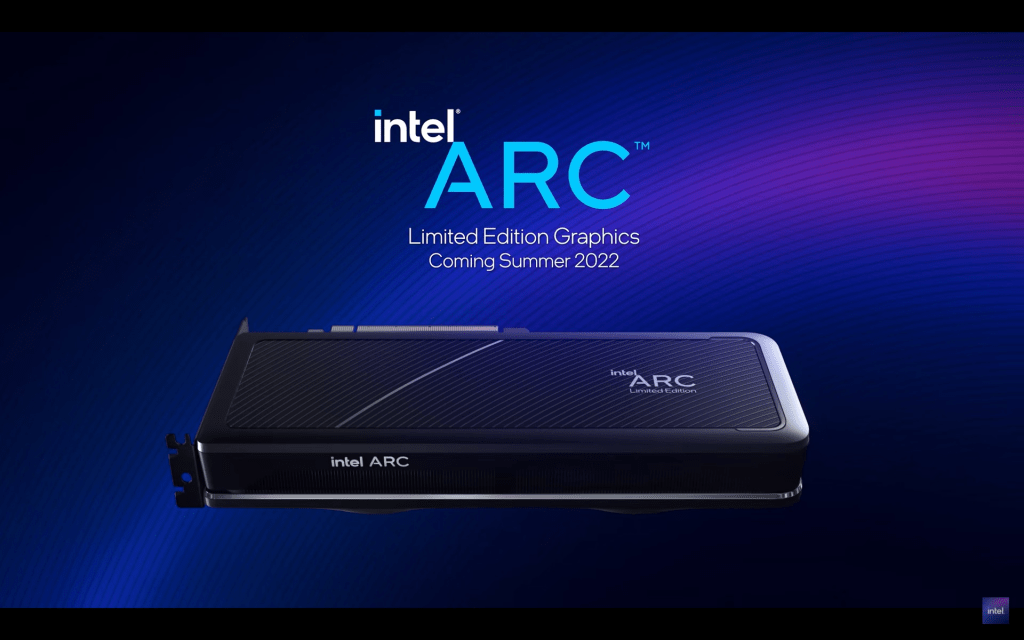
When I saw the headline that Intel was end of life-ing the ARC A750 I almost had a conniption. The ARC has arguably been one of the best things to happen to the GPU market since before we lost all of the vendors and went down to a two-party GPU ecosystem. While ARC is not huge, it has had a couple of knock-on benefits. It has introduced a small number of viable alternatives to more expensive AMD and nVidia cards that have met the needs of the “good enough” crowd. And it has led to a small improvement in the integrated GPUs that people get in laptops and AIO desktops.
For me personally, I have not built on an ARC GPU or selected it as a replacement for one of mine that needs to be upgraded. I’ve been close; at times when the prices of nVidia RTX GPUs have been astronomical and an AMD RX 9070 XT has not been available in retail pipelines. I hope to do so one day. I have a mutual who built a starter box for their kid as their first gaming PC and built on ARC. The main point being that, even if I do not build on one, they are a good competitive force on the landscape of the DIY and system integrator market. And it would be a shame if they went away.
As it is, I wouldn’t have used the term “end of life” in the headline. Bad on you, Tom’s Hardware. I’d have said “End of Production”. And that is only of the Intel made reference board. AIBs are still free to make them and hopefully will for some time.
And newer SKUs are coming into the fold, although on a sketchy, unclear schedule. Which makes consumers nervous in the face of uncertainty and ambiguity, making some stick with AMD and nVidia and failing to woo the already skance few who might’ve seen this as a suitable substitute.
Hopefully Intel gets it together and we see a more proper, aggressive, assault on the low end of the GPU market. Where I think there is room to build a business and undercut AMD and nVidia on price or overachieve them on performance for similar prices. On the low end. And hopefully it can grow from there and give us all a 3rd, viable, alternative in the GPU space.
Nintendo’s live service strategy should not be confused with its more foundational need to get its provisioning of network services right. They have been making incremental, baby-step strides in this area for years, while they are admittedly still woefully incomplete. Yesterday, The Verge ran an opinion piece about how “Animal Crossing: New Horizons was a glimpse at Nintendo’s online future”. While connected, I don’t think these two things should be conflated into being the same. They are related, but one is foundational and the other is more aspirational.
Nintendo has an imperative to get its online strategy, its overall approach to network services, straight. It has forever been a muddled mess. It started with the provisioning of a digital store-front, or stores, plural, I should say. While digital, each instance of a digital store has been tightly coupled to the Nintendo hardware platform that it debuted alongside. Move to a different Hardware (generational, not SKU), and the answer you got was unpleasant, to say the least. You would not have access to the old digital store content without that original hardware. (Generation, not SKU, or serial #). New hardware, new store, buy it over again. Shift hardware platforms and you no longer had access to the same digital storefront.
Flash forward to Nintendo Switch and Switch 2 and we have, for maybe the first time, generationally, that Nintendo has retained, with zero gaps, continuity of a digital storefront from one generation to the next. Friend codes are still less friendly than a gamer tag. Having to use your phone for online voice comms was a nightmare.
And that is being addressed. But all of the new, Switch 2, social features bring a host of mild inconvenience and baggage with them as well. But, overall, these improvements are undoubtedly “better than”. Like I said, baby steps.
On the GAAS front, Nintendo is no better represented in its overall approach to that facet than in the Splatoon franchise. While certainly Smash Bros has been around before, it is almost equally or even more so driven by the fighting tournament scene than strictly its online presence. Whereas in Splatoon, any inroads it has made to building community have been entirely built online.
But these things in combination with whatever it has done to deliver additional content to Animal Crossing should cause no worry that Nintendo is coiling up to begin some GAAS initiative driven by heavy investment a la PlayStation. Nintendo today is still the closest to the three console competitors to being a pure, classical, console business model. While the other two, Xbox and PlayStation, dabble in GAAS, subscription services, putting games on PC, building out mobile components (Nintendo has recoiled from that avenue) of their businesses, Nintendo stays to the core. Minus its foray into licensing its IP for movies in new models that keep them close to supervising the production efforts of those IP, Nintendo continues to be razor focused on its core console business. Albeit, sometimes to their detriment when things that gamers consider part of the core product offering today, such as network services, feel like something out of a Fantastic Four retro movie. But Nintendo is getting better. By baby-steps. It’ll be a very long time before they coil up to come up with their own Call of Duty or Helldivers II, though.
Recently, Reuters reported that Embracer is taking a more conservative approach towards its release cadence. I know. Bug guffaw, right? But stick with me here.
Many gamers….most if not all of the ones on social media…so-called journos, pundits, game-tubers….everyone has an opinion on what needs to be done to “fix” the industry. Most of the ideas are narratives and agendas built around brand-defense and repping. “Games need to be on every platform”, “Playing my games everywhere”, “Platform Y provides the best value”. None of these should be taken seriously and deemed of much of any real critical thought. Add that on top of this, alternate narratives, such as the disparaging of third-party games, even as exclusives, is typically all part of an effort to make an a-ha moment out of a brand’s first-party output.
The rest of it is largely driven by an ongoing class-battle that has erupted in the wake of the industry holding prices static for 15 years, when it has historically raised prices by +$10 every 8 – 10 years. The proletariat saber-rattling often comes close to preaching for socialism or goes so far as to seem like advocacy for the actual nationalization of the gaming industry in its cries for goals that could never be achieved without very heavy regulation.
Making games that could play on every platform and eradicating the notion of exclusives or giving software away for free or for prices that barely cover its costs (two political platforms that are actually in opposition to each other; many gamers do not seem to realize that)…neither is a silver bullet to righting the industry’s ship. Nor is simply “Just make more AA games”.
But Embracer might be on to something, as a programmatic approach to a philosophy of change to guide its production pipeline management. And that is fewer, higher quality releases. That concept is not revolutionary. It is not ground-breaking. But the industry is plagued by two colossal dynamics that are the tentpole roots of it woes: Spiraling upward production costs and that there are simply too many games. And not just games, but AAA games.
Usually when we talk about the “too many games dynamic”, it is a conversation about the 19,000 games published on Steam every year. Many of which are shovelware, or college student projects…or hentai softcore porn game. But the AAA space is also glutted in a way that exceeds demand.
If, as Matt Piscatella has discussed, 30% of gamers will not buy a game this year, and gamers on XBL and PSN will spend 40% of their monthly time-budget playing black-hole games / GAAS, then what need is there for a half-dozen AAA games per month? And is it any wonder that so many of them get ignored?
Now that number is not likely to change at industry-scale. But the approach Embracer is talking about…yes, I know it is not likely, credible, or realistic to think that Embracer will actually follow through with the philosophy…is to further space out their own, individual publisher, releases. And not for the typical marketing reason which is for a singular publisher not to have its own games competing against one another. But, for the sole sake of quality, to give them more room to breathe. But, more importantly and specifically, to spend that extra time from those delays for polish and bug-hunting.
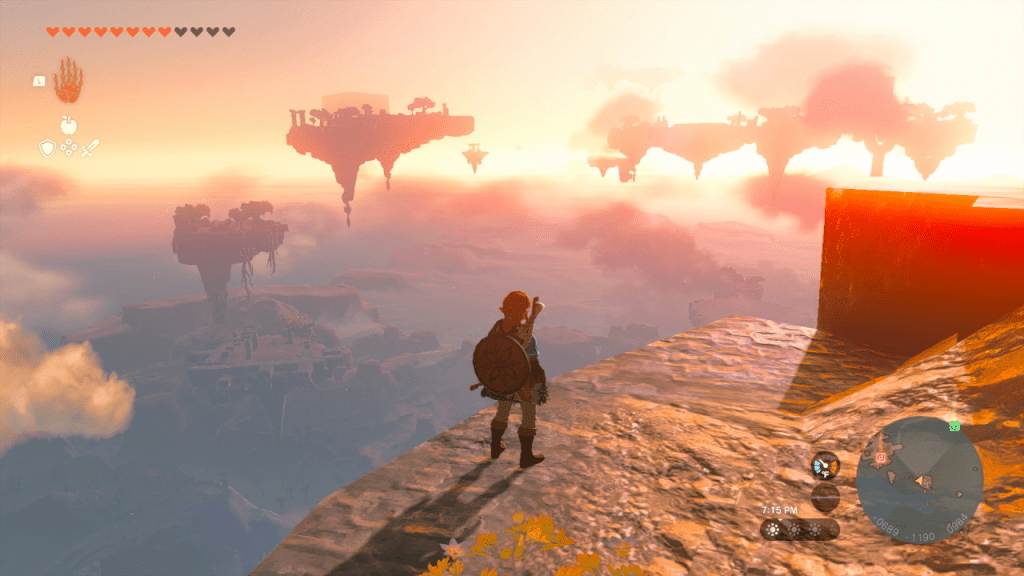
The Tears of the Kingdom crew supposedly took a year for JUST polish and bug-hunting. Avowed supposedly also benefitted by using the market-bulge reason for their delay for these purposes. And here, again, note, hyper-specifically, this is not for the purpose of taking on additional scope, trying to add value-added content or to refine a gme mechanic outside of it being a defect. We’re talking about specifically taking time for defects, not enhancements.
Yes, I get it. Gamers do always talk about better quality. But that voice track is drowned out by the constant clamoring that characterizes the trend today for volume over quality. Game Pass provides “all these games”, while there is often a desire to avoid the topic of how many of these are marquis titles resplendent with polish and a quality-cut placing them in the above average tier or higher vs an all-you-can-eat service for channel surfers. PlayStation Studios are castigated for a low volume of output in this back half of the generation, while, in similar vein, there is an effort to avoid the discussion of the degree of polish their titles on the front-half of the generation delivered. As gamers, we always comment on “eating good”, but spend too little time on saying that the industry could deliver us less, and focus on having those deliveries more honed for excellence.
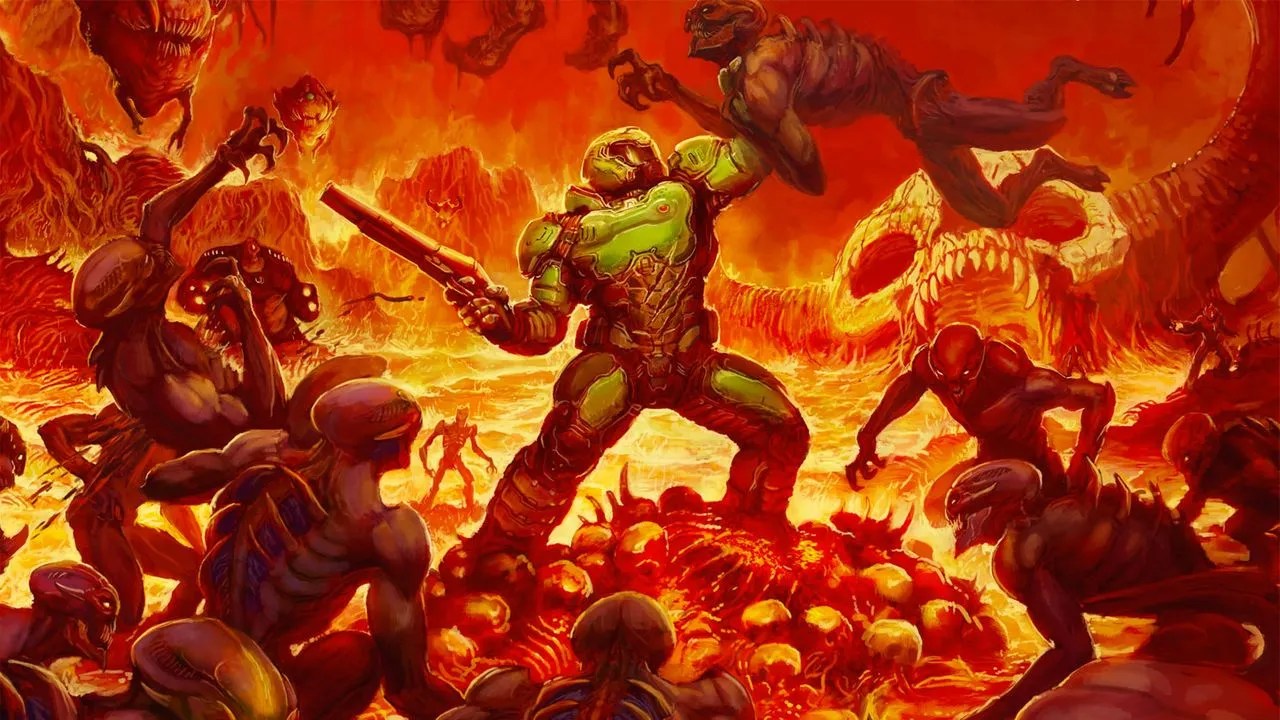
Is DOOM perhaps the most controversial shooter franchise to try and have a discussion about? Maybe so. DOOM 2016 was an awesome reboot of that shooter franchise in my opinion. It added greater fluidity to the movement model (in comparison to DOOM 3), enhanced mobility overall in both verticality and that feeling of speed. I loved it so much that I played it on PlayStation 4, PC, and even Nintendo Switch. An untypical trifecta for me.
DOOM Eternal, on the other hand, is a bitter tale of love and hate. I love the game because I completed it. I hate the game for very minute that I lived within it. I’ve even been hating it during my second play through, which I said I would never do.
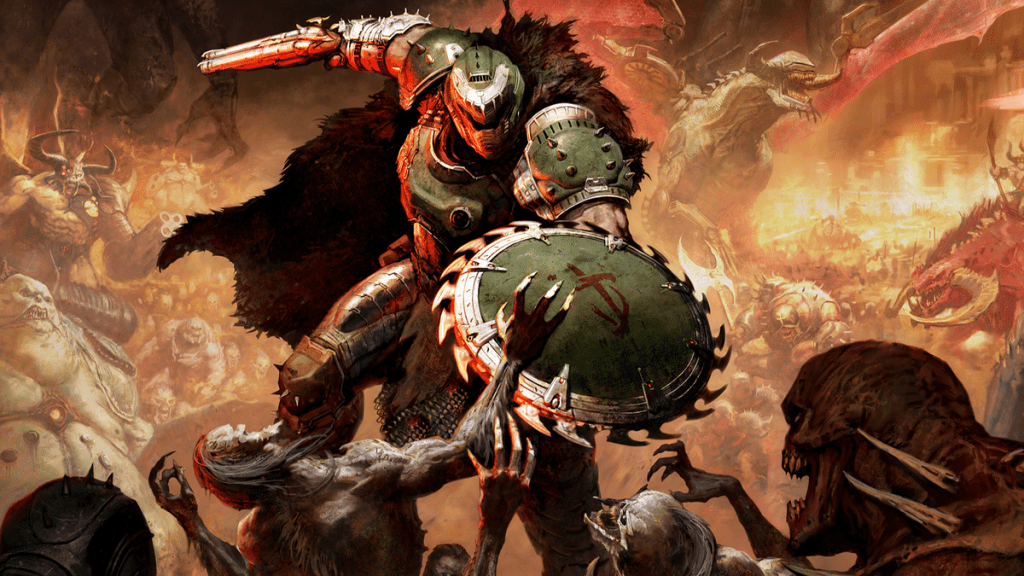
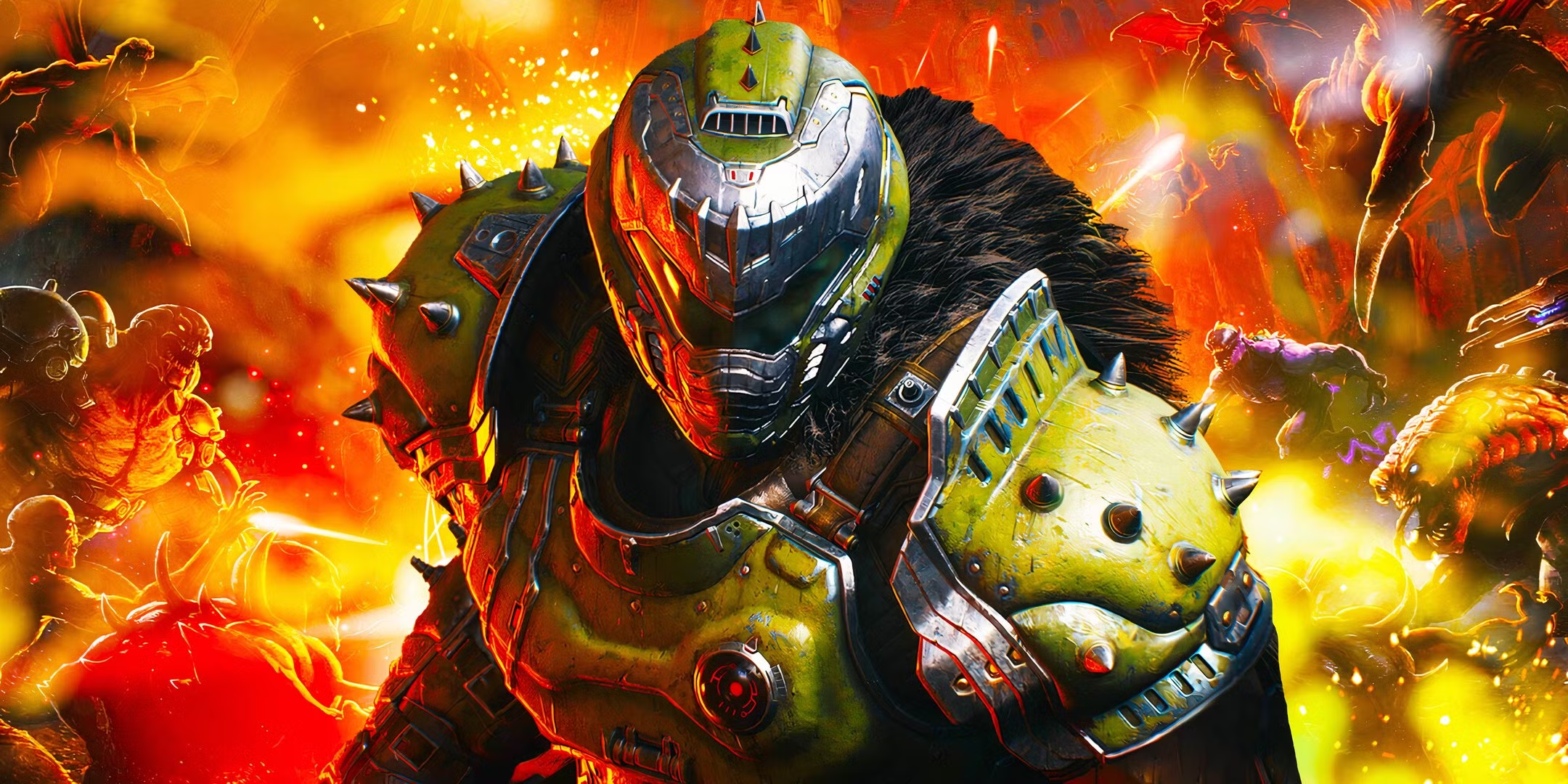
DOOM: the Dark Ages feels like it started with DOOM 2016, and then borrowed a scant few elements from DOOM Eternal to try and find the perfect balance between the two. And, so far, it feels like it is sticking that landing.
But I listened to a podcast today where the person who had reviewed DOOM: the Dark Ages (DtDA) for their site, a supposed expert on the DOOM franchise, and many of their descriptors sounded totally ludicrous to me. DOOM: the Dark Ages is SLOWER than DOOM Eternal?? Absolutely not. There was no SPRINT button in DOOM Eternal, FFS. There was a DASH, but that was really meant for the platforming. You could use it in combat, but it was only two short bursts, and then had a cooldown time. In DtDA there is a SPRINT and no concept of Stamina that depletes over time while Sprinting, so you can just Sprint to your heart’s content. For tactical reasons, I sometimes find I need to stop sprinting and slow the OODA Loop down. DOOM: the Dark Ages is absolutely in no way SLOWER than DOOM Eternal.
He also said “you have fewer tools in DOOM: the Dark Ages”. WHAT??? You have the Shield, which allows you to Parry, Shield Barge, throw (which also has the effect of slowing down time), shoot-to-heat-enemy-shield + throw your shield for AOE splash damage. Then you have all of your weapons in a world where you do not run out of a weapon’s ammo after 5 shots. To-date, I have never run out of ammo on a given weapon (I’m only a couple of hours in), and have to switch guns just because I’ve gotten bored with a weapon and its effects, not because it has run out of ammo. You have the melee system. And then the fact that jumping does AOE splash damage as well. Maybe becausr you don’t have to juggle tools every 10 seconds to win a fight or due to running out of the ridiculously sparse ammo that is in DOOM Eternal that DtDA feels like it doesn’t have as many tools, but that’d be a you problem, not the game.
But one thing is certain: DOOM people see the games each as individuals and can have egregiously disparate perspectives on them, even amongst those who have played every single one.
My initial impression of DOOM: the Dark Ages is that it would & should easily be seen as an improvement over DOOM Eternal. It will be interesting to see if I am wrong and I find myself having become part of a community that is very religious in its perspectives of each of the entries in the franchise. And if I find that there is a weird sect of divisive religious perspectives on what DOOM is and isn’t. Like the JRPG and the Bethesda people. Weird indeed.
Horror of all horrors, I’ve forgotten my AirPods for my night sojourn to the “coffee shop” (which is really the lobby of a gym where I need to hang out a few times a week while I wait on someone). This results in me not being able to listen to music, not being able to watch any TV shows or YouTube, and having to overhear the screaming of the nearby aerobics class who somehow convinces themselves they are working harder by screaming the lyrics of whatever pop music anthem their instructor has them bouncing to.
I’ll try and get a blog post out tonight regardless. This contingency might require a tech solution to prevent it ever happening again, like a spare pair of refurbished AirPods in the glove compartment or something.
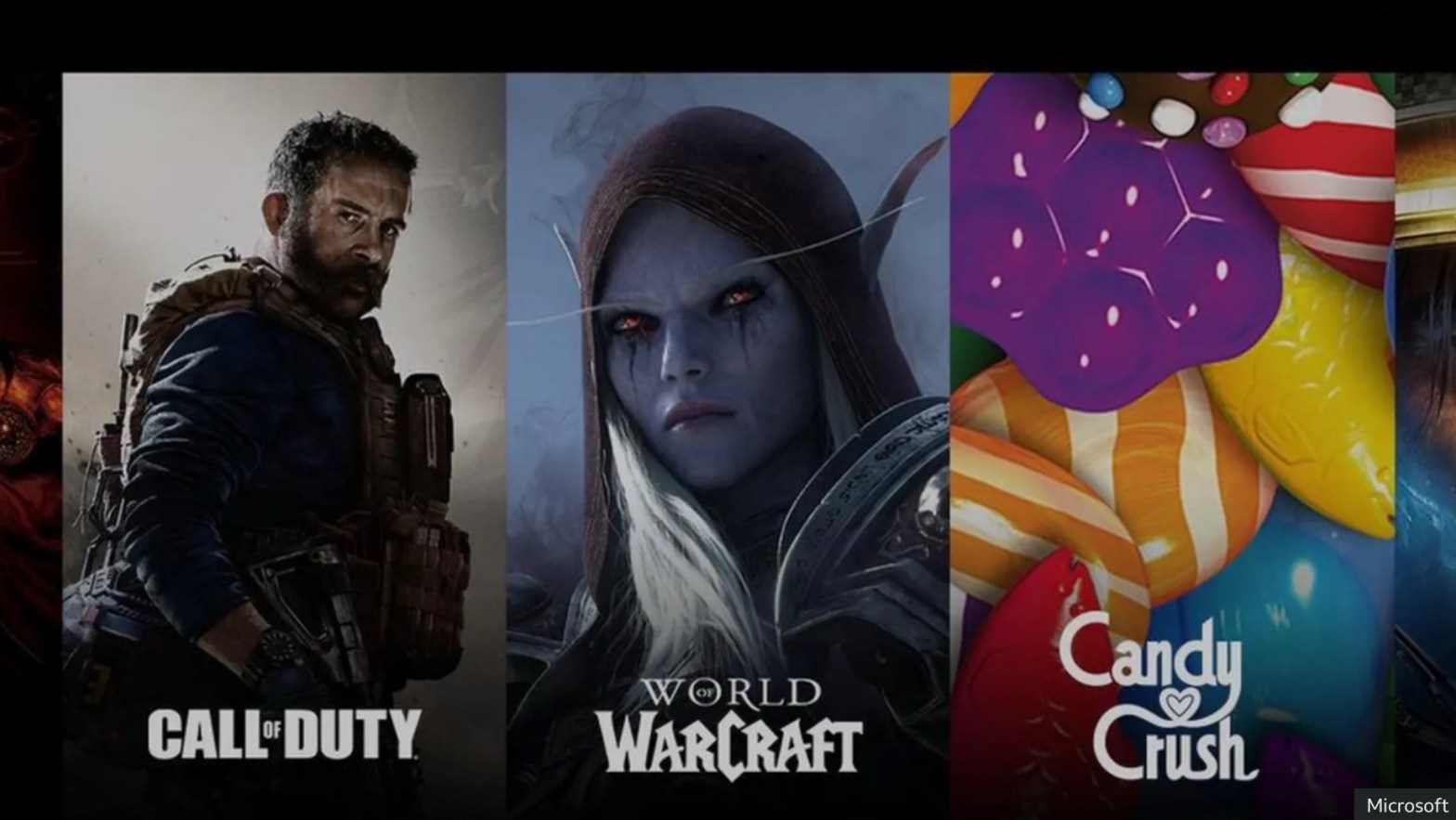
So I hear that a group of 200 employees at Activision Blizzard unionized late last week. To-date most of these groups have been QA/test and your lower salaried disciplines.
This group, however, and one other in recent history, have been a “wall-to-wall” unionization consisting of multiple disciplines. The two gaps remaining in both this unionization and the one preceding it is that it has not been 100% or a specified majority of the workforce, and “wall-to-wall” has not included a voice track specifying a bulk of the developers.
Now. I understand the trend that says that everyone who is involved in a studio team with getting a product out the door is referred to as a developer. And I appreciate the effort to give praise to the entire team. I agree with that.
As a hiring manager in the software development and engineering space for the past 13+ years of a 30+ year career, when I say “developer”, I mean a hands-on-keyboard software developer or engineer.
There is a shoe that I am waiting to hear drop. Where it comes to salaries, I do have to draw recognition to the objective fact that there is a difference between an artist and a tester versus a hands-on-keyboard software engineer who writes code and even a test engineer, who programs scripts and telemetry utilities to automate testing and provide automated results. It’s not a matter of the latter disciplines are “more valuable” to the team, it is that they draw higher salaries, and in particular, are more critical and there is more competition in finding them on the job market.
As a result, these disciplines tend not to want to subject themselves to collective bargaining. Because it normalizes their max salary potential and dilutes it to a running median along with an employee base that will consist of high, medium, and low performers. So your high performers in STEM technical ranks tend not to want to unionize. And even if they think they are a high-performers and actually are not, those ranks still hold their max earnings potential in high regard.
That is a dynamic in which the gaming industry is still like the rest of the tech industry, and not yet Hollywood, where even actors paid millions of dollars are still incentivized to unionize along with actors who barely book enough work to qualify for union health benefits. Until the negatives of the current market state worsen (which admittedly they have slightly even since the MSFT-ATVI acquisition-merger) to the point where they impact everyone throughout the salary ranges and ranks, it will still be tough in my opinion to widen the unionization state of the employee base to something that is more ubiquitous like Hollywood.
But, admittedly, it has made steadier gains than I suspected and projected. While still an uphill climb, the fear of AI is making the notion of collective bargaining gain wider-spread interest than just voice-actors. Developers are starting to realize that if the suits come for one group of them, eventually they will come for all.
This has been a bonga year for game releases. I know, I know – that phrase gets thrown around a lot. But 2025 really is something different. The year got off to a great start, hit a crescendo in April, and continues to maintain a strong cadence heading into the summer. And what makes this year so remarkable isn’t just the volume of good games, but the genre spread and the range of budgets and dev team sizes making noise.
Think back to Q1 of 2017. We had the original Nintendo Switch, Breath of the Wild, Horizon Zero Dawn, Resident Evil 7 – a staggeringly strong start. But even then, 2025 feels different.
The Genre Spread: 16 Games, 16 Experiences
Here are the genres of just the top 16 games currently in my personal rotation or backlog:
JRPG (The Legend of Heroes: Trails through Daybreak II)
3rd-Person Action-Adventure (South of Midnight)
Narrative Adventure (Lost Records: Bloom & Rage)
I hesitate to say “unprecedented,” but I truly don’t recall a year with this level of genre diversity, consistency of quality, and spread across indie and AAA budgets. It’s exciting, but also overwhelming.
Current Playlist Snapshot
Here’s where I’m at right now:
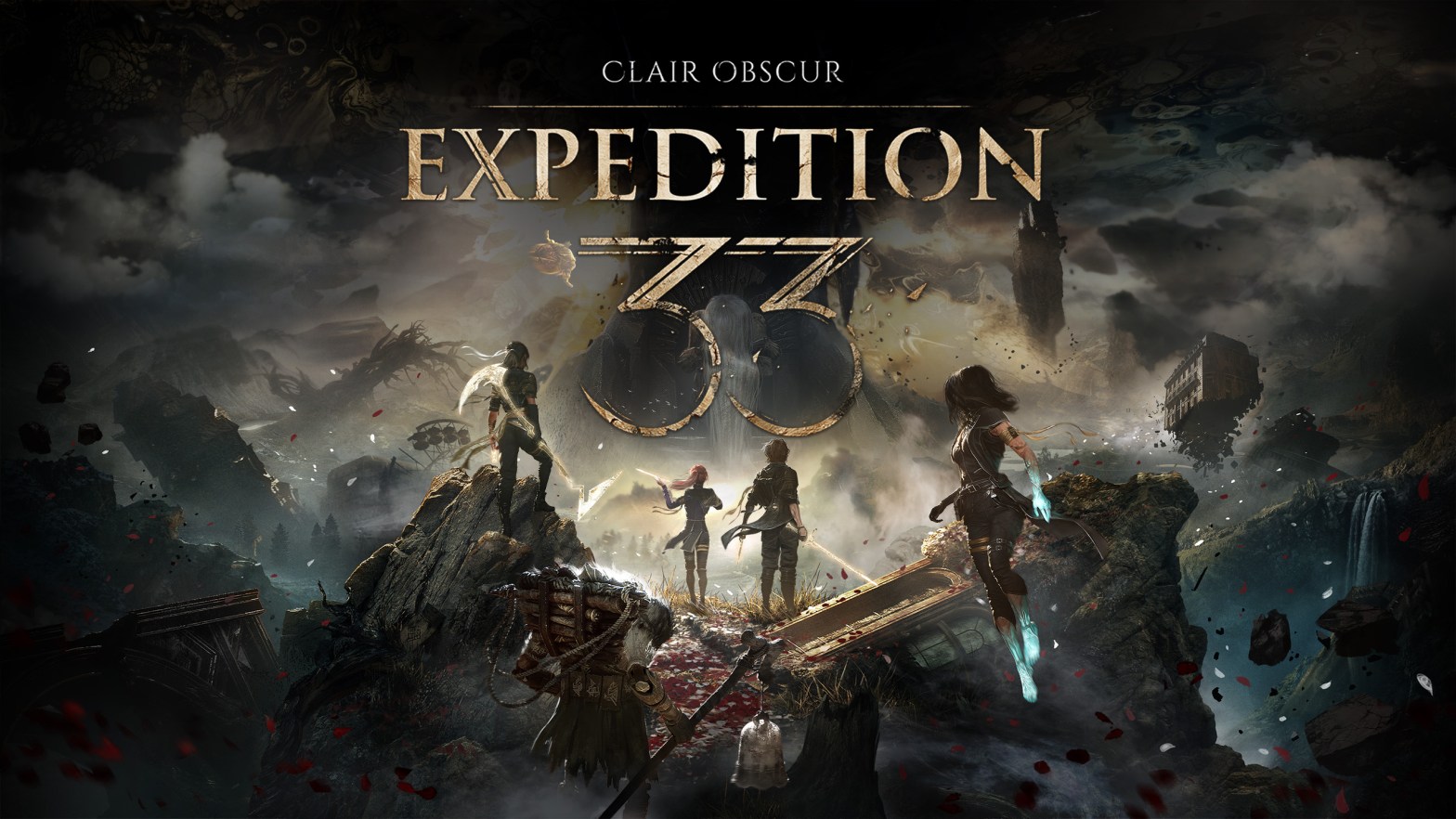
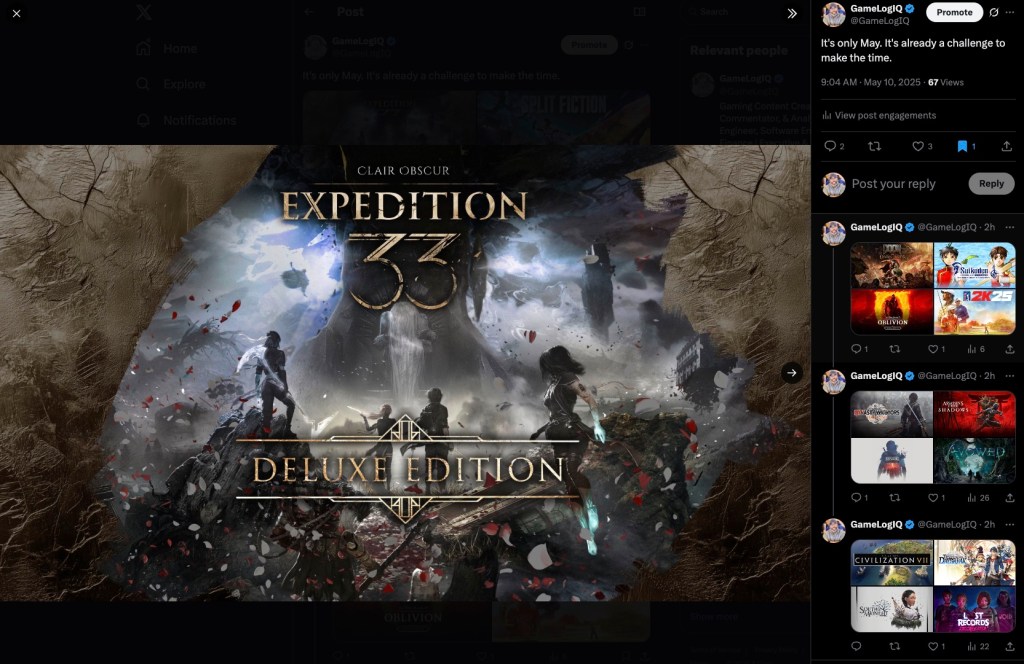
✅ Clair Obscur: Expedition 33 – Completed. Probably the greatest game I’ve ever played. It almost ruins other games for me.
🔄 Days Gone Remastered – Enjoying it, but the mission design can be tedious.
⏸️ Monster Hunter Wilds – On hold. Needs 2+ hour sessions to feel productive.
🎯 Call of Duty: Black OPS 6 – I don’t have this in the list as it is not a 2025 release, but I am still hooked on the seasonal grind, which makes getting to the other stuff harder
🔜 DOOM: The Dark Ages – Instabuy. No question.
When Indies Punch Above Their Weight
It’s not just the big-budget titles dominating discussion. We’ve got a JRPG and an immersive sim, both made by relatively small teams on modest budgets, that are legitimate Game of the Year contenders. Clair Obscur in particular has raised the bar in ways few saw coming.
Xbox Is Finally Delivering
Another factor: Xbox Game Studios is finally firing on all cylinders. For years, they had the resources but not the output. Now? Out of these 16 games, 4 are Xbox-published titles. And with these games going to PlayStation, they are more contributory to the overall industry output than ever. I don’t have Indian Jones on this list as it’s been on PC since last year, but with both that and Forza Horizon 5, it “feels” like overall productivity is much greater than in these past few years. And with DOOM: The Dark Ages dropping on all platforms except Nintendo Switch / Switch 2 soon, that count on titles delivered to PlayStartion will rise.
It’s fair to ask whether Xbox’s production stagnation in recent years (2020–2024) may have dragged down overall industry momentum. But that’s a topic for a deeper dive later.
For now, it’s clear: when Xbox shows up, the whole industry benefits.
What’s Still Coming in 2025
We’re not done yet. Still ahead:
DOOM: The Dark Ages (May)
F1 25 (May)
System Shock 2 Remake (June)
Mafia: the Old Country (August)
Gears of War: Reloaded (August)
If this pace keeps up, we may be looking at one of the all-time great years in gaming.
Let’s Talk
What’s blown you away so far in 2025? Anything on your list that I missed? What’s your GoTY frontrunner right now?
Hit me up on Twitter @gamelogiq or BlueSky @gamelogiq and let’s compare playlists.
What you are witnessing now with XBox titles on PlayStation is the Napster Effect. Which really was more about supply & demand and price-sensitivity of Music rather than Napster, but “the Music Effect” doesn’t have the same hook.
Before Napster was introduced, market sentiment was that CDs were priced too high and offered a dubious value prop, with often only one or two tracks on an album deemed worthwhile. But another key factor was inconvenience. You could either submit to being an indentured servant of the Columbia House “5 CDs for a penny” introductory offer and then a limited catalog of CDs to choose one or two from each month shipped to you via snail mail. Or you trundled down to Tower Records, flipped through endless bins of CDs to find what you didn’t want, unless you were shopping for the Billboard Top Twenty, and then pay the aforementioned exorbitant prices. And so a chunk of the market opted for Napster due not only to price but also due to inconvenience.
Napster had its own inconvenience working against its value prop. Often the song you’d get was the right title, but was some bootleg cover. Both Napster and its zero-price competitor and eventual replacement, Bit Torrent, also got ID’d as being a transport and delivery mechanism for malware.
But even after Napster shut down in 2001, Bit Torrent continued to carry the “I’m not buying CDs” flag for many until 2003. When iTunes put a fork in the Free Music movement.
When iTunes began selling digital albums, and, here’s the banger, individual songs for 99cents a la carte, the market equilibrium changed. Free music with all of its inconveniences (including the music industry & the feds possibly randomly selecting you to make the example of) suddenly became less of a value prop to the vast majority of the market vs simply paying 99cents for a song that you wanted, could pre-screen digitally, and a purchase method that allowed you to buy only the songs you wanted from the album. Hunting for music in torrents, figuring out how to open your PC up to the channel, at the risk of getting bootleg fake files, malware or getting into legal trouble was not worth the value of even Free compared to 99cents a song.
What the market has said is that XBox titles and its catalog and portfolio were not of sufficient value-prop to warrant the majority of the market either subscribing to Game Pass or buying an XBox Series. Despite the low monthly cost and relatively low cost-of-access overall & the low entry price option of the Series S.
Console Warriors are now saying “Oh I guess PlayStation players really did want those games after all” when they see them trending well on the PlayStation store. They say Xbox is “winning” as if there is going to be a reversal on the HW sales trend due to the perceived positive SW sales trend.
No. The mindshare and brand equity of the game titles and the overall XBox portfolio have not gone up. This is a misconception. What has happened is that those titles have become more conveniently accessible for the market demo of PlayStation customer. Having placed those goods conveniently at the door-step of potential buyers, those buyers are happy to purchase them now that they are an Instacart or Wal-Mart grocery order level of convenience.
What the market said while those titles were only available on XBox or PC was that PlayStation mains considered that inconvenience factor to not be in equilibrium with the value-prop of playing those games. And today, PlayStation players are telling the market that they are ok waiting 3-ish months if need be to play those titles on their preferred platform. While they will also be able to play many of those titles day and date. On their preferred platform.
There is no effect such as PlayStation has suggested on PC, where they believe that they see PC gamers engaging with PlayStation IP, and then buying a PlayStation so that they can play those games earliest. PlayStation players are not flocking to Game Pass to play those games via the Cloud on their phone or tablet. And they are not flocking to buy XBox Series now that they have “had a taste of XBox titles.” So there is no “XBox is winning”. Xbox has established a dependency on PlayStation in the same manner that Ubisoft, EA, Take Two, and Capcom are dependent on a platform being supplied where they can deliver their IP. And PlayStation has a partial dependency on XBox as one of its stable of 3rd-party publishers it needs to support its platform in order to provide a healthy ecosystem that cannot be supported by its own studio titles alone.
PlayStation players, in the meantime, are just consuming what has become convenient. It is the market achieving equilibrium. Which it always will.
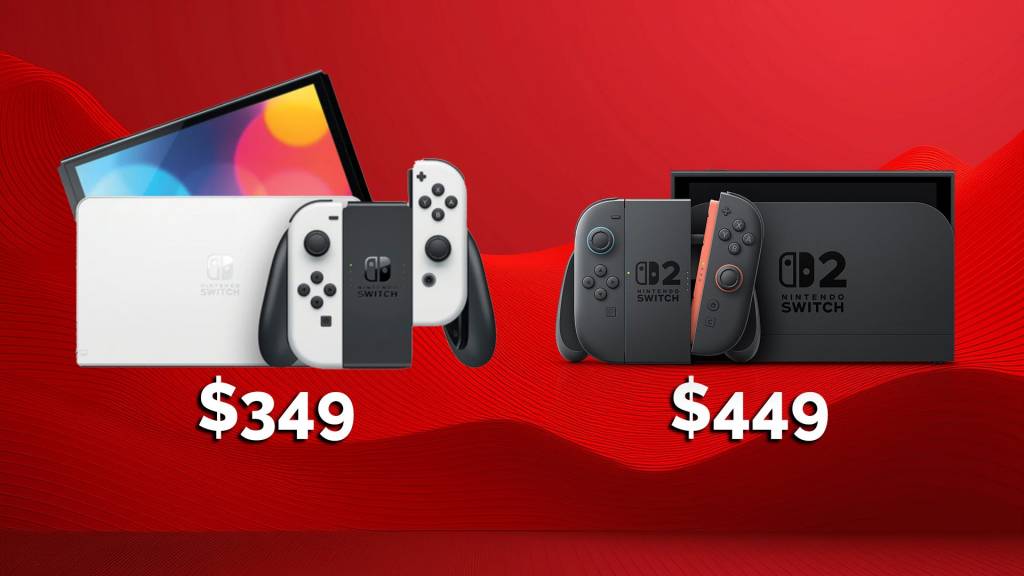
Xbox raised prices today. On literally everything. I think PlayStation did too. And the PC space has been getting hella ‘spensive for a long time now. I’ve been talking recently about what I am going to do about these rising prices, if anything. I’ve also been talking about the impact that playing Clair Obcur: Expedition 33 has been having on me. That latter one has had me thinking, as I wrote the other day, about buying consoles again and focusing on single-player, story-driven games. That would kill two birds with one stone. It’d split my gaming time up onto things less expensive than $2000 GPUs and let me get back into playing games from start to finish like I used to, and fewer GAAS games.
That was until The Great Price Hikes of 2025 went off today, having been sparked by Nintendo being so bold as to go first. Now I am encouraged to hover and hold position for a bit. Because I might just be escaping into a space that is just as prone to the risk of spiraling higher prices right alongside PC GPUs.
And what of those people who feel like gaming is a commodity experience that everyone should have access to? That these prices should not be getting so high that they become a luxury product and only the privileged and rich have access to them?
Who’s gonna tell ’em?
We should be careful of how we use the term “rich”. When I think of that being a household income barrier to participation in gaming, I am thinking of households in the single digits of the upper income of America. We like to still think of those people as “middle class” because the gap between a $300k household and billionaires is MUCH greater than is perceived when we talk percentages. Because the top 6 – 7% can’t be THAT far away from the 1%’ers, right?
Prices are getting high. But we are not yet at crisis levels and I am not sure we will get there in my lifetime. Is it getting so that some people who have not historically had to make choices now have to? Sure.
One of my pushbacks about a lot of the console war talking points about prices was that they were centered around consumers who could only afford one console, and so they had to make choices. I didn’t have to make choices.
But I gorram sure do now. That’s also because I have creeping life responsibilities and new expenses encroaching on what was once a decidedly bachelor-centric lifestyle. And because in a time when prices held steady for a bit, I grew comfortable with not having to wait six months after launch to get the new cutting edge silicon. But I remember now that I used to. And I suspect a lot of us gamers used to make choices, and have grown comfortable during years when the industry held prices and we were living high on the hog. I am not sure we should be panicking (or letting clout-chasing influencers incite us to panic) just yet. We might just have to go back to a time when we were not gaming on every platform and when we were not buying every game day one. And make choices. Like adults. Sorry.
Several things have me re-thinking my approach to games. And my relationship with gaming overall. In general. One of those things is Clair Obscur: Expedition 33. I don’t want to go too far into that topic as I am still playing the game, and the slightest detail can be spoilerific. Maybe I’m halfway through or very close to it. But it is at least transformative in how it is making me think. This revisitation of how I game and manage my time in gaming. It may be time to start making some changes.
One of those changes first and foremost is that I may be returning to story-driven games. For a couple or decades now I have surmised that I do not stick with any one story for too long. I eventually get distracted by the sheer number of games but also the games that are more squarely in my wheelhouse. And by that I mean fist-person shooters and vehicle simulations. So many story-driven games are RPGs or action-adventure games and eventually I get bored. But there were times when those were in my wheelhouse. And it may be time to go back.
This also brings me to the current agonizing I’ve been doing over my hardware conundrum. Left and right I have things that I would have been interested in in the past that just have not lit a fire in my materialistic heart. GPUs and the Nintendo Switch 2 are primary examples of things that I might want one day.
Eventually. But the costs are too prohibitive and the hook just isn’t there. Or is it?
Tonight there was a bit of loosening of the rusty handle. As the very iPad I am typing this on, the iPad Air 13” M2, blipped an alert that in order to install the latest iPad OS update, I would need to clear out just under 12GB of storage. That’s a big no-no. I had been running an experiment since last year when I picked this up as only the 128GB model. The minimum storage SKU available. Since moving into the Apple ecosystem, I knew that my past proclivity had always been to buy Apple products with one of the top two storage SKUs available on the phone and the iPad. But on laptops and Mac minis, I’d decided to start low and see if I really need the extra space.
For the iPad this time, I’d decided to try that too. But I hate managing storage for OS updates and that is always an instant trigger for me to to bump to the next tier; in this case 256GB. But of course, the M2 is no longer available, supplanted by an M3 model this past March. And so here we are striking a thing off my list I’d said I could wait on. Oh well.
Yes, this is gaming adjacent; I do subscribe to Apple Arcade and game on my iPad too. So not directly gaming. But, my main point in this is that it has loosened up a bit of spring-time buyer constipation.
And that, in combination with my thought of returning to the general gaming landscape and not just dumping time into Call of Duty, World of Warships, Star Citizen, FIFA, and others, has me also considering that I am currently PC only. And there will inevitably be some of those games that are only on console.
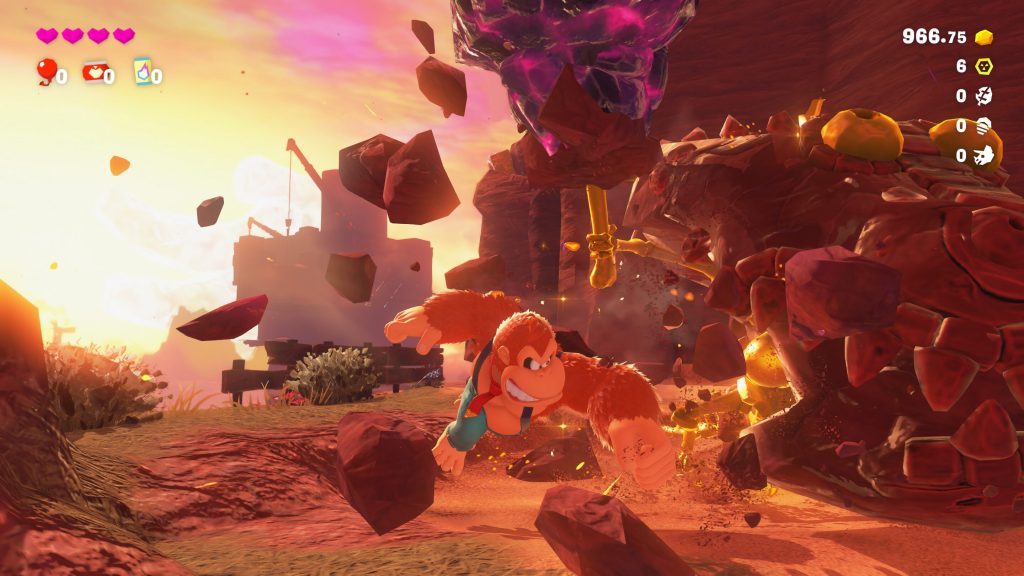
Because, of course, as many people know, I have also been running an experiment to force myself to see if it is indeed true that I am just fine on PC only. And with these thoughts, I consider that I may not be. I have been watching and reading up on Donkey Kong Banaza. As well as Xenoblade Chronicles X: Definitive Edition. And it may be time to return to consoles after a brief time out in the desert. Maybe. We’ll see.
In the meantime, as I agonize yet again over these things, it’s time to go watch more of that DK Bananza Treehouse.
I think there are some things to maybe not advocate so strongly for in gaming. Or at least to have a sophisticated conversation about full of cautionary tales rather than stumping for corpos, as that often drives you in the direction of campaigning against your own self-interests.
“We need to get back to industry growth” Do we? Maybe follow that thread to certain possible conclusions, rather than being a mouth-piece for members of the C-suite who will be vacationing on a beach in Tahiti long after their ruinous acts and decisions have left behind a broken industry.
Who exactly are we inviting in for that growth? Lapsed gamers who came in during the pandemic? Ok. That works. But that’s a finite pool. What happens after that? Oh, all of these nextgen “gamers” who…as Brendan Sinclair recently said on The Game Business Show…need a “feed bag of content hooked up directly to their mouths and content shoved down their throat”?
That notion gives me goosebumps. Is that who we want in the pool? Ostensibly lazier gamers who can’t stomach anything other than push-button on-demand experiences with zero effort via tablets and phones? You do realize what demographic you’re describing, right? Casuals. Extreme casuals. But even more so, entirely non-discriminating consumers. Who do not want today’s gaming entertainment experiences. But just want the gacha game touch-control teddy-pickers. Those are not gamers; those are glorified TV watchers. They engage their brains less. They are mindless. Aimless. Idle fidget-spinner “I-listen-to-music-as-background-noise” drones who consume from two or three screens at a time because they literally DO NOT CARE about the content on at least one of those screens at any one moment in time.
And once “game developers” realize that the market has just become a bunch of drones just seeking escapes from idle hands so they don’t bite their fingernails or rub on their private places every 5 minutes, they will care less about the content they make. It will become a commodity. And the race to the bottom will have culminated.
We often lump the Roblox people and the Minecraft people into the same pool, demographic, and addressable market as the people who want to play the next Assassin’s Creed, Forza Motorsport, and Intergalactic. But these are actually not the same, exact markets.
Has investment in Roblox led to more money to spread around to feed the wants of those other demographics? Absolutely not. That “growth” has not benefited the rest of us. It has been adjacent and concurrent, but I would argue it is almost a mutually exclusive bolt-on.
Is lowering prices the way to get back to growth? Free-to-play did an absolute nose-dive past any notion of there being a barrier based on cost. Everyone who wants to play today absolutely has an access path to do so.
I do not necessarily have answers for these things. But the point is to say that it is absolutely more complicated than “the future generations aren’t interested in consoles” (which is actually untrue + gaming on mobile is actually not frictionless) or “I’m not the target audience anymore”. Maybe it’s just a fact that those people voicing those perspectives actually just care less about gaming. Which is fine. But maybe they just don’t have the skin in the game to accurately address the market dynamic holistically.
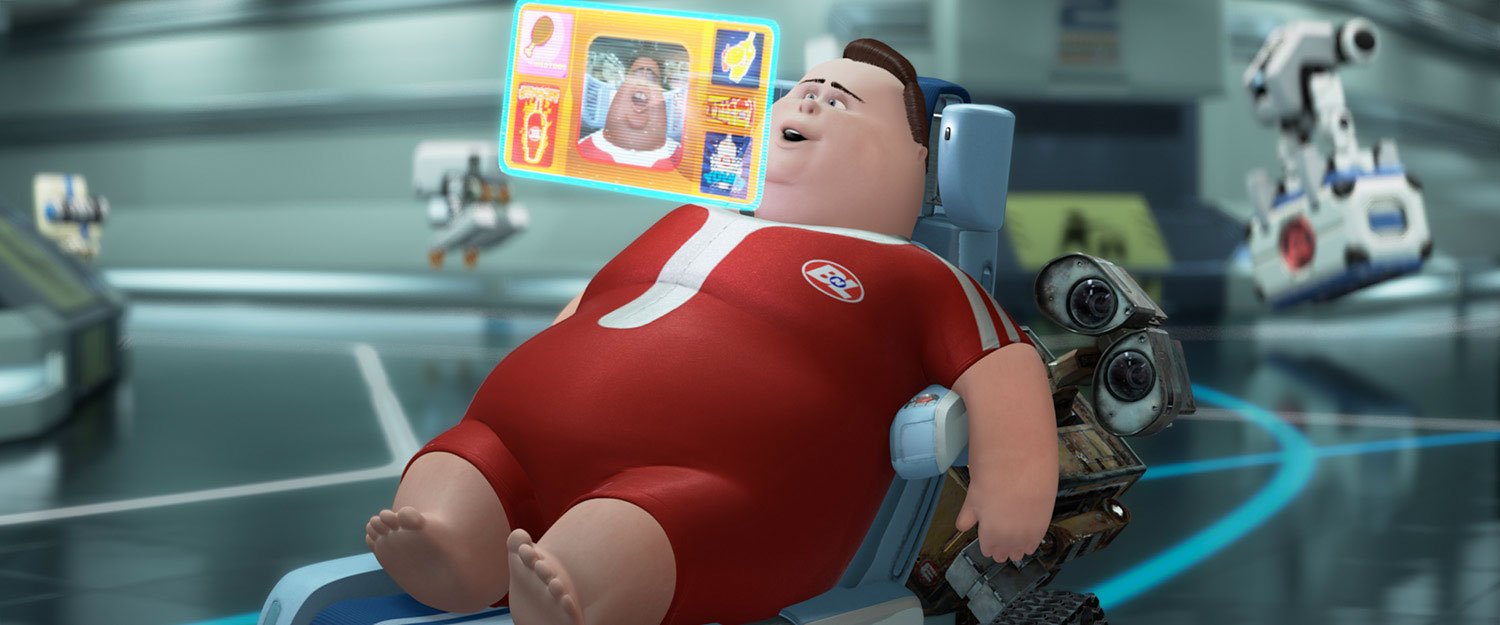
I’m not going to advocate for the future of Wall-E, where, in order to show some positive percentage of growth, we invite in a demographic of people who are unwilling to lift a finger, figure out how to connect a RF switch-box to their TV (an analogy), make deliberate choices about their games, care nothing about gaming other than what is the lowest-cost-of-access, so they can float around on a hover chair and be beamed mindless blank screens. That evolution has been evolving in a creeping tide and it has absolutely harmed the industry and the hobby.
Industry growth should not come at the expense of industry extinction. But should allow it to evolve and progress by encouraging investment without leading to a race to the bottom.