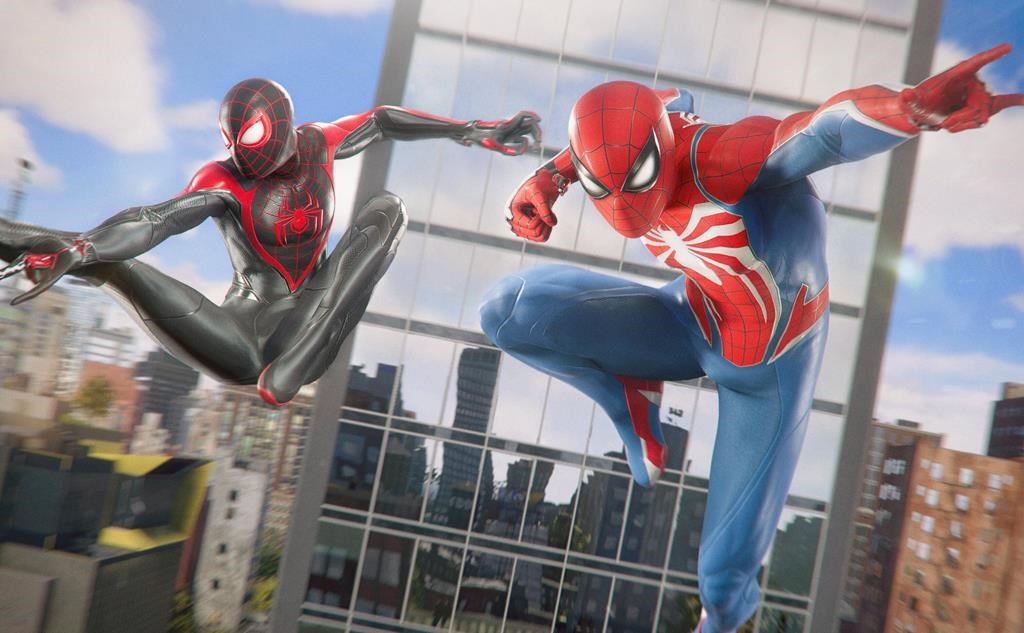
For the longest time, open-world games treated the space between missions as a necessary inconvenience. Moving from point A to point B was the tax you paid to get to the actual gameplay. You held down a sprint button, followed a mini-map waypoint, and waited to arrive. Then, in 2018, Insomniac Games demonstrated with Marvel’s Spider-Man that traversal could be more than transportation; it could be the most rewarding part of the experience. The difference wasn’t simply that Spider-Man moved faster than the protagonists of other open-world games. It was that swinging through Manhattan became something I wanted to do even when I didn’t have anywhere to go. Before Spider-Man, I think we largely judged an open world by what was in the world. Spider-Man made me start judging it by how good it felt to move through the world. That shift helped kick-off what I would call a golden age of traversal, where momentum, vertical freedom, and the physical relationship between the player and the environment became central design considerations rather than conveniences layered on top of a map.
What Insomniac solved was the friction problem. You’re controlling a superhero, but the game doesn’t make you fight the controller to feel like one. Spider-Man’s traversal looks physics-based, but it is actually an extraordinarily curated experience, using carefully designed systems and physics cheats to create the feeling of mastering movement without requiring the player to master a genuine simulation. That balance between accessibility and perceived mastery is a significant part of the game’s success. And while 2018 represented a breakthrough in how naturally those ideas came together, Insomniac had already been developing the underlying philosophy in Sunset Overdrive. The studio’s experience with responsive traversal helped inform Spider-Man, where the movement system became inseparable from the design of Manhattan itself. Building heights, street widths, and the placement of the city’s architecture had to support swinging as a core gameplay loop. Every building became a potential gameplay object, and the skyline transformed from scenery into Spider-Man’s racetrack. It’s also why the game’s relationship with fast travel is so interesting. I’ve always thought open-world games have had a strange relationship with fast-travel: we build an enormous world and then apologize for making the player cross it. In Spider-Man, I sometimes deliberately avoided fast travel because getting there was the reward.
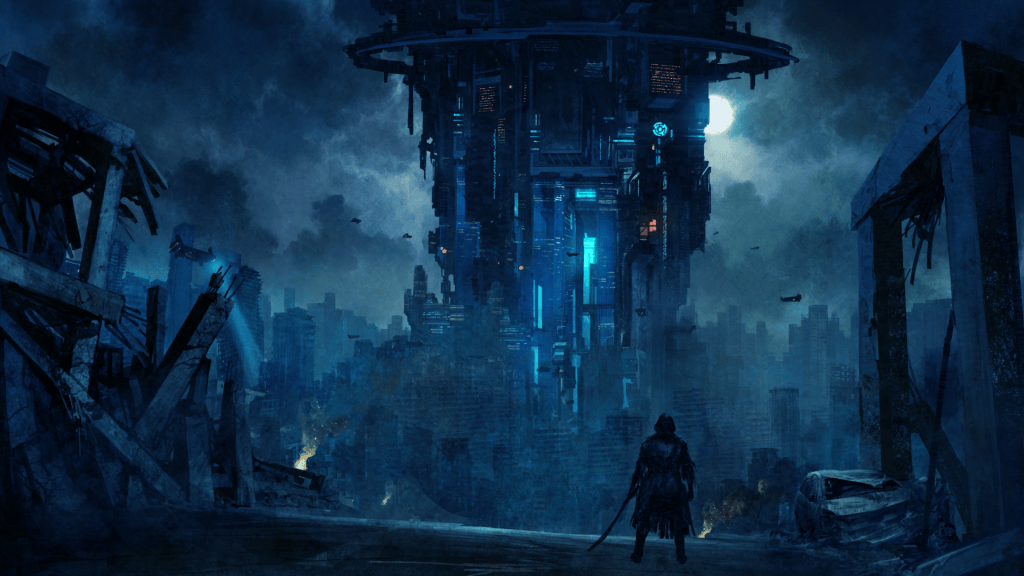
Once developers recognize that getting somewhere can be gameplay in its own right, the implications extend far beyond a superhero swinging between skyscrapers. Dying Light 2 Stay Human approached the idea by turning rooftops into highways, forcing the city to be understood through verticality, parkour, and the relationship between narrow streets and elevated routes.
Forspoken took the philosophy in a different direction, making high-speed, gravity-defying magical movement a major part of the fantasy it was selling. Both games demonstrate the possibilities of traversal as a centerpiece, but they also expose an important limitation: faster movement isn’t automatically better movement. There is a point where traversal becomes so frictionless that a world can start feeling smaller because you’re consuming it too quickly. Ghostrunner provides an interesting contrast because it demonstrates that the underlying philosophy isn’t inherently tied to open-world design. Its momentum-driven movement works within a more linear structure, proving that traversal can be gameplay without requiring a massive map. Meanwhile, Marvel’s Spider-Man 2 evolved Insomniac’s original premise by introducing web wings, adding another layer of movement and new decisions rather than simply making swinging faster. The evolution matters because meaningful traversal design isn’t necessarily about increasing speed; it’s about giving players more interesting ways to interact with the spaces they inhabit.
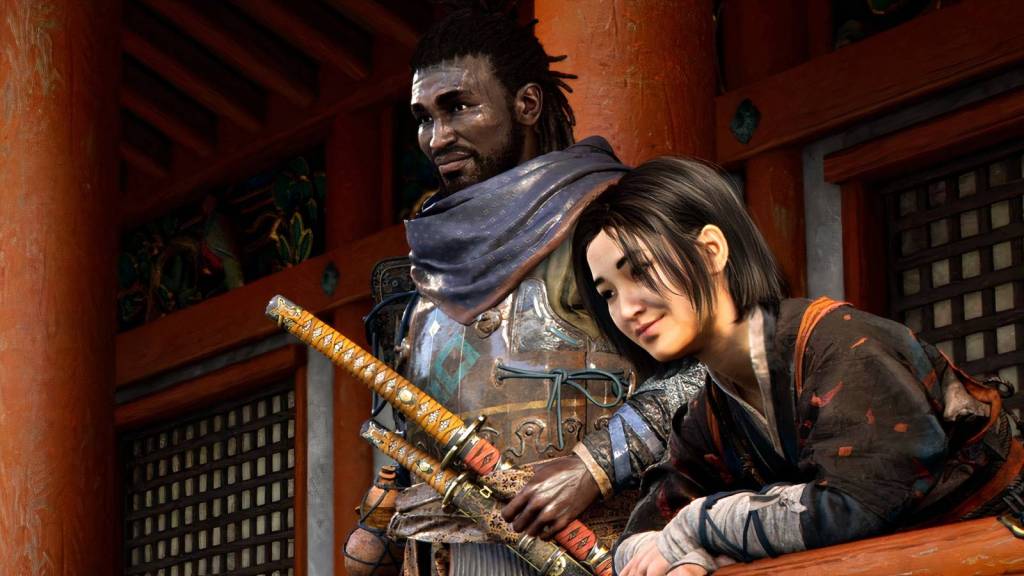
The most interesting part of this legacy isn’t whether every subsequent game directly copied Spider-Man. It’s that the impact has been for the expansion of that singular philosophy to spread across the game design landscape; developers appear to have absorbed the same design lesson: movement deserves the same level of attention that we traditionally give combat. We’re seeing that philosophy appear in franchises that once treated traversal primarily as transportation, including Assassin’s Creed Shadows and Borderlands 4, while games such as Halo Infinite, Star Wars Jedi: Survivor, Avatar: Frontiers of Pandora, Resonance: A Plague Tale Legacy, and The Blood of Dawnwalker demonstrate different ways that mobility and environmental interaction can shape an experience. The question now is where the next meaningful advancement comes from. Spider-Man showed us that traversal could become a game rather than an obstacle between games. The next generation of systems may need to go further, introducing new forms of decision-making, environmental interaction, and mastery that make today’s familiar movement mechanics feel as dated as holding down sprint and following a waypoint once did. The real legacy of Marvel’s Spider-Man isn’t simply web-swinging. It’s the recognition that the way we move through a game world deserves to be designed with as much care as what we do when we arrive.
 Rounding Off Infinity