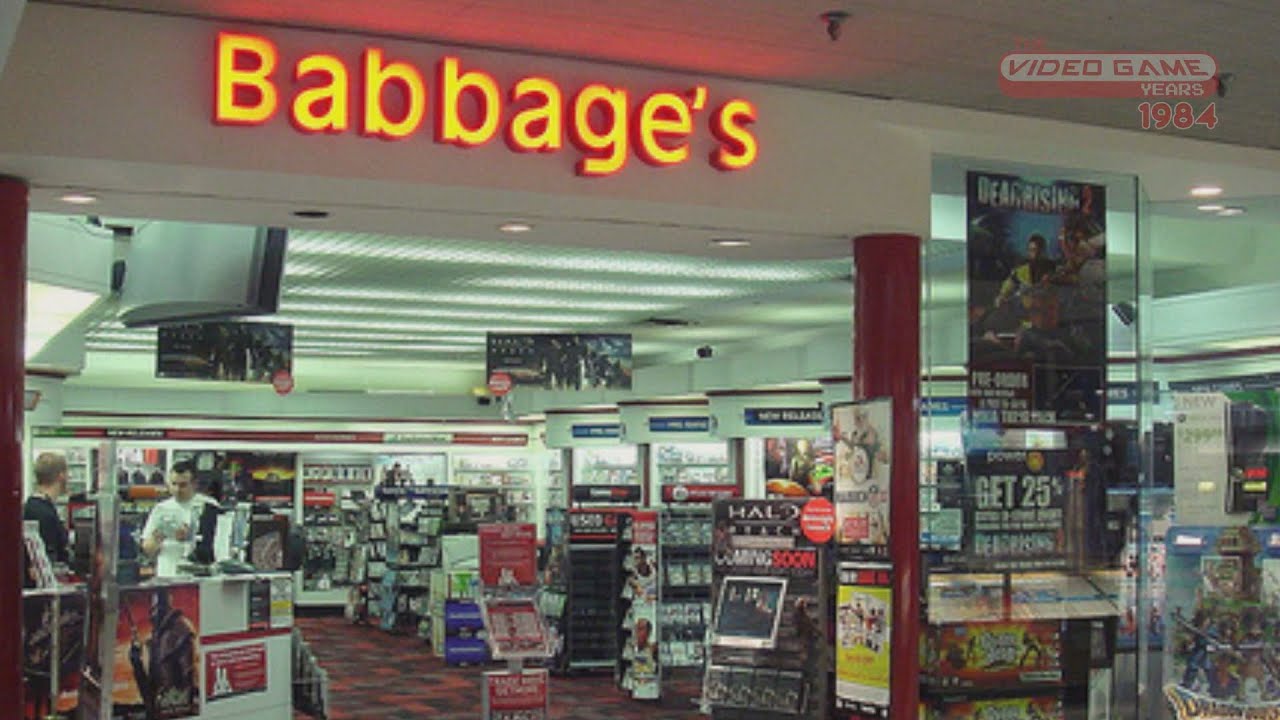
Microsoft has responded to reports that some Xbox players were unable to launch even physical disc-based games during a recent Xbox Live outage, acknowledging that this behavior was unintended. According to the company, consoles should have relied on locally cached licensing entitlements instead of requiring an online validation check, and Xbox says it is investigating the issue while preparing a software update to prevent it from happening again. What’s particularly interesting, however, is that this is the second time in roughly the last three years that Microsoft has pointed to cached entitlement handling as part of the root cause for a major outage. That raises legitimate questions about the complexity of Xbox’s licensing architecture, even if the immediate bug is ultimately straightforward to correct.
What struck me most about the reaction to this story wasn’t Microsoft’s explanation, it was the familiar chorus claiming that this somehow proves physical media is inherently superior to digital distribution. That conclusion simply doesn’t hold up. People continue to conflate three completely different concepts: the storage medium, the delivery mechanism, and the licensing system. A Blu-ray disc, a downloaded game stored on an SSD, and virtually every other modern game installation are all just data written to physical storage. The real question isn’t whether the installation files arrived on a disc or over the internet. The question is whether the game depends on online entitlement validation or server-side functionality to operate. If a game requires a “hello world” check-in with a licensing service, or worse, relies on live server infrastructure for gameplay, even a physical disc cannot insulate you from a network outage.
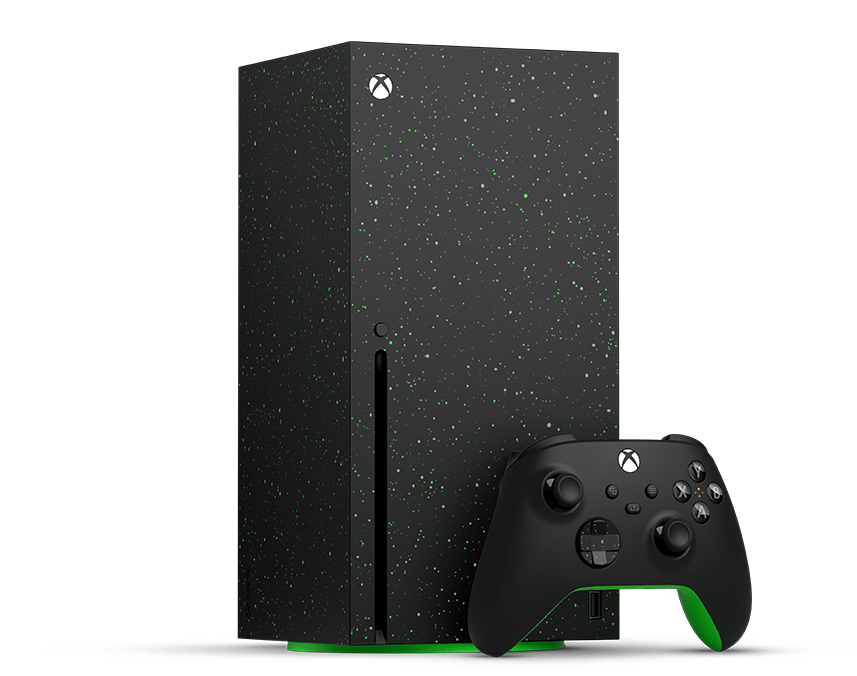
This is why I think discussions surrounding both the recent Xbox outage and earlier PlayStation Network outages have missed the point. Modern gaming ecosystems are deeply integrated with online identity management, entitlement services, cloud infrastructure, and, in some cases, server-hosted gameplay systems. Ubisoft’s The Division 2 is a perfect example: even if you’re playing alone, portions of the game’s functionality still rely on server-side systems.
Whether you purchased that game digitally or on a physical disc becomes largely irrelevant once the game’s architecture depends on online services. The same principle applies to platform licensing. When cached entitlements work correctly, offline play should continue uninterrupted for games that don’t require server-side functionality. When they don’t, both digital purchases and physical discs can be affected in exactly the same way.
None of this excuses Microsoft. If anything, the recurrence of cached entitlement issues suggests that Xbox’s licensing infrastructure may be more complicated & fragile than many people realize, likely reflecting the company’s extensive integration with Azure-based identity and entitlement systems. At the same time, I think the public conversation often exaggerates the scale of these outages. Over the last several years, we’ve seen only a handful of significant incidents measured against thousands of days of service. Five-nines reliability still allows for occasional failures, and no cloud service offers 100 percent uptime. Rather than promising perfection, Microsoft, and Sony, for that matter, would serve players better by demonstrating continuous investment in reliability. Quarterly engineering updates highlighting infrastructure improvements, capital investments, regional capacity expansions, DevOps / SRE initiatives, or resiliency enhancements would do far more to build confidence than only communicating after an outage has already occurred.
Ultimately, I don’t believe this incident strengthens the argument for physical media nearly as much as some commentators suggest. Instead, it highlights a broader reality about modern gaming: ownership, licensing, authentication, and online infrastructure are now tightly intertwined regardless of how the software was delivered.
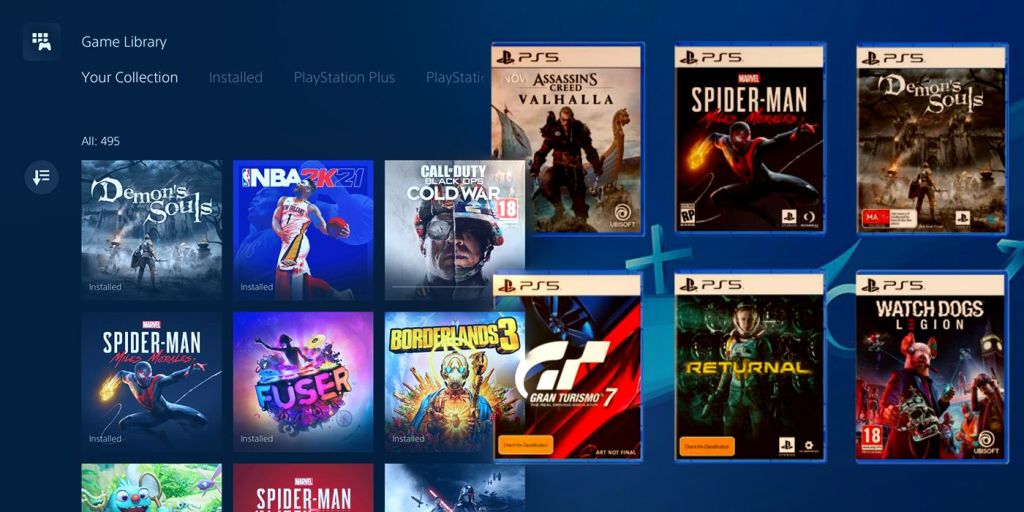
Physical discs are no longer a guarantee of complete independence from network services, just as digital purchases are not automatically at risk every time an outage occurs. The lesson from this outage isn’t that discs are the future or that digital distribution is broken. It’s that platform holders must continue investing in resilient entitlement systems, transparent engineering practices, and robust offline functionality so that the rare network outage remains exactly what it should be: a temporary inconvenience rather than a defining characteristic of modern gaming.

