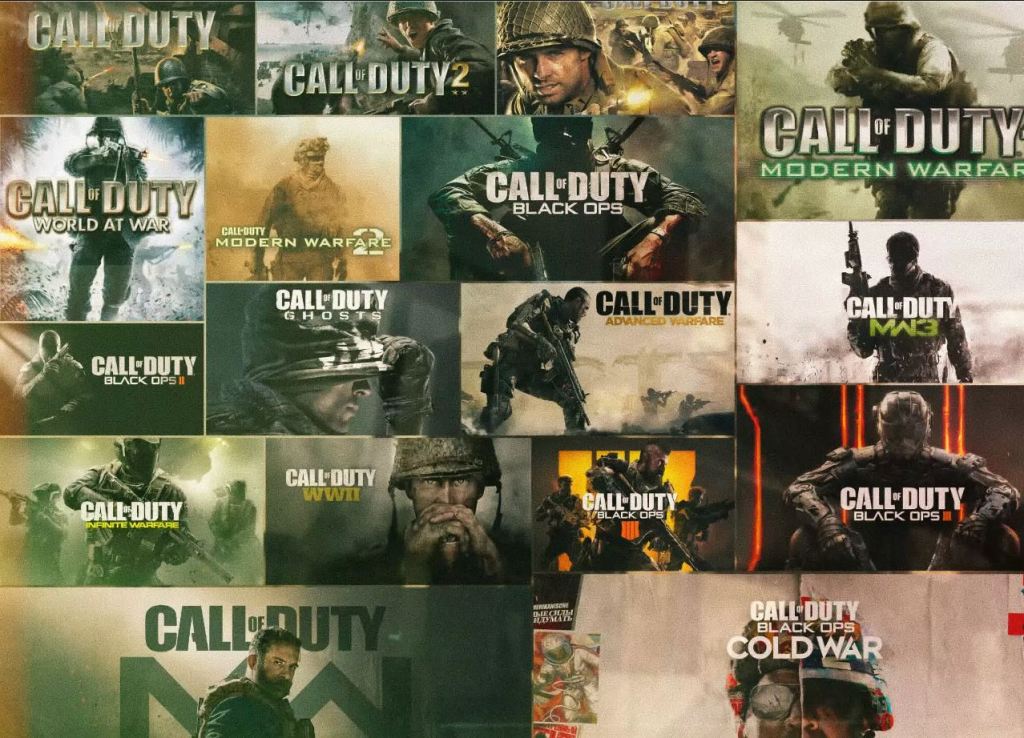
Gaming Journal (early evening): got a couple of sessions of CoDMWIII (PC) in btn last night and today on the box with the 7800X3d+4080. Can’t say enough how I’m loving the map rotation in Season 2, although voting sometimes swerves maps away (no one is voting for Breenbergh Hotel, LoL), which sometimes makes it just any other MW3 map rotation. Still, the Small Arms Moshpit is making a nice varied subset for working pistols while I’m giving shotty unlocks a rest. Had a chance to use the Elgato Teleprompter last night; really liking some of the features in the Camera Hub software; gives some nice options for a few different production types. Put the Elgato Mini Mount out at the video miniPC workstation. Think I’ll use it with the Shure MV7 mic. Settling down with the #XboxSeriesX tonight for some more Fallout 3. Also started Doom Patrol S3 earlier today. Did my journaling on the Google Pixel Fold. Still having a great time with this phone. Although felt a yen for the iPhone this weekend. Haven’t been using my Pixel 6 Pro. May flip that slot to the iPhone when the 16 launches. Maybe.
(Late evening): Really great time tonight in winding the clock back to Fallout 3 on the #XboxSeriesX . That Super Mutant Behemoth was no joke. I love the VATS system but my dude seems very weak with the weapons I have. I’ve scored a few criticals, but otherwise he misses so much there’s little point in using it. Planning on checking out Banishers hopefully later this week. We’ll see. Using the HBO Max app to wrap the evening with Doom Patrol S3E2. Finally got tired of the 3rd party keyboard case I use with my iPad Pro 11″ Gen 3; had to pry the iPad out of that thing. I should’ve just grinded my teeth and went with the Apple one. Ordered a refurb tonight so it won’t be a big loss if I upgrade this year.
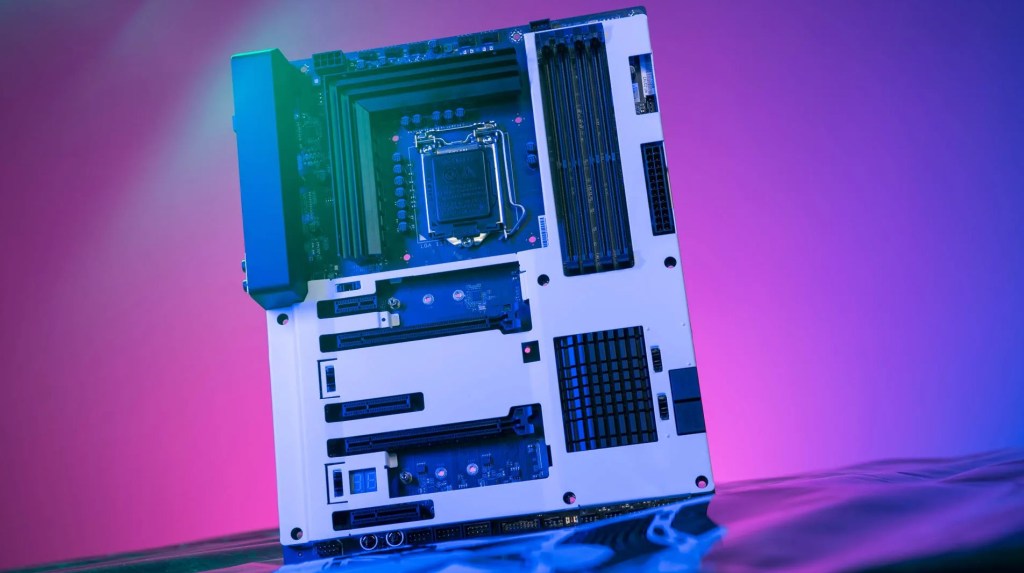
Last night on the first episode of Rounding Off Infinity – Talking About Games, an audience member asked me how I got to running multiple PCs in the studio / lab. As I’ve been walking back through that history over the last 24 hours, mentality putting together the script to convey that story, it struck me how vanilla building PCs has gotten over the last two decades. In the last few years, the industry hasn’t really given builders much of a reason to open up their cases other than performance gains. But the old days when innovations would allow you to add expanded functionality have pretty much dried up.
The only thing that has really occurred over the last 5 years or so is that we’ve incrementally added additional nVME slots, 1 at a time. In fact, it has been lost in the annals of my memory that one of the bit-checks in my old “will I or won’t I” upgrade algorithm was to ask whether or not the upgrade allowed me to do anything that I couldn’t already do, or was it just a performance bump; did it expand on my PC’s functionality? It hadn’t dawned on me until recently that that question had eroded out of my recapitalization inner monologue b/c there’s been nothing but form-factor and speed changes.
It used to be that, over the years of changing technology, my roadmap had me add a CD-ROM, a CD/R/RW, DVD-ROM, DVD-r/RW, and then finally a BD-ROM, then BD-R/RW, including builds where I had multiple optical drives; I added Zip drives, ORB drives, dual NICs to shotgun my internet connection, SCSI drives, Sound Cards!!!! Ohhhh how audio has gone the way of the dodo…even adding various speaker setups…
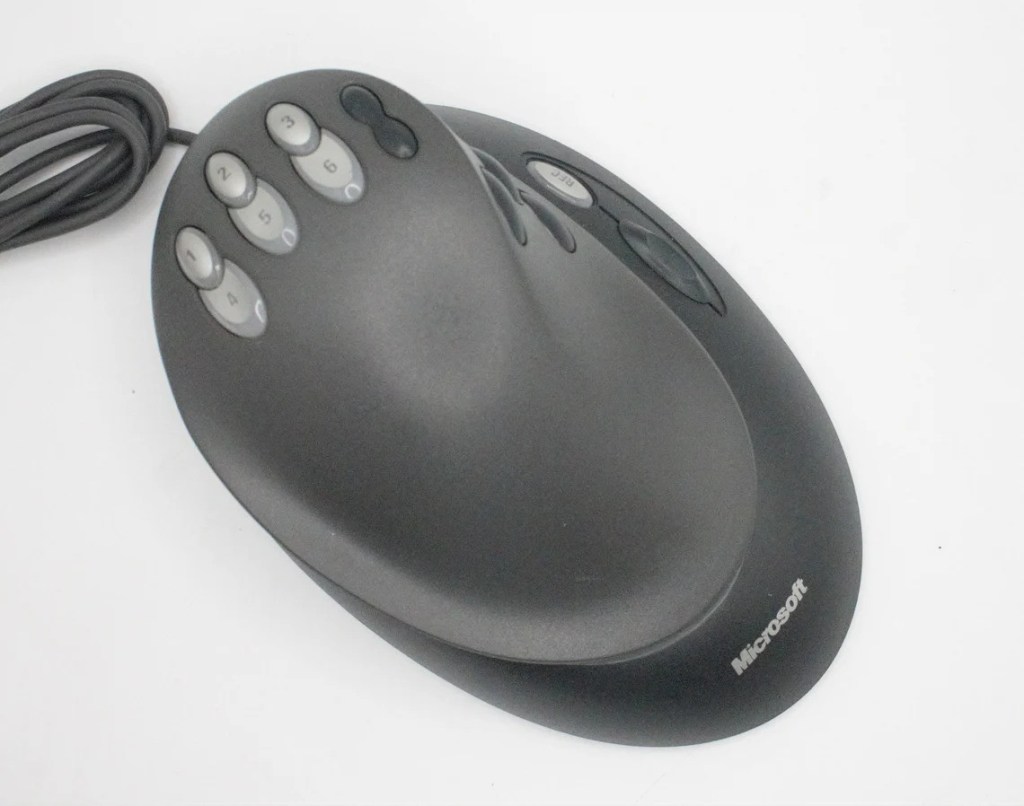
now it’s just easier to use a SoundBar…Microsoft used to make the Sidewinder Strategic Commander and other quirky controllers…whereas there’s been very little innovation in the controller space…everyone just uses an XBox Controller or a DualSense, and there hasn’t been an innovative FCS since the Warthog came out in 2010!!!!! I love me some Thrustmaster, but everything they’ve done of late has been derivations off the T16000 design.
All of this has smoothed the plane of build and upgrade decisions to a commodity. Managing upgrades used to be way more complex. We went from PCI for GPUs, to AGP, and back to PCIe which was introduced in 2003 and nary an alt since. And there were times that there were moboards and GPUs that might use 1 of 2 of those interfaces and performance was not always guaranteed to be a slam dunk across the newer, or there were boards with both slots and maybe you needed a 2nd card (back when one card could only drive one monitor). As a PC builder, one is left to say “Is this all that I am? Is there nothing more?” (Kirk, Star Trek the Motion Picture, 1979).
My two conclusions from this wanderlust: I’m about out of the game; I’ve been doing two builds or mods per year for 18 years of time total, from 1999 to now, with a 6 year hiatus in between. And there just aren’t innovations happening in a way that building a PC makes me feel like my Dad in the garage restoring an old car. And two….yeah…you kids who are PC builders have it easy these days.
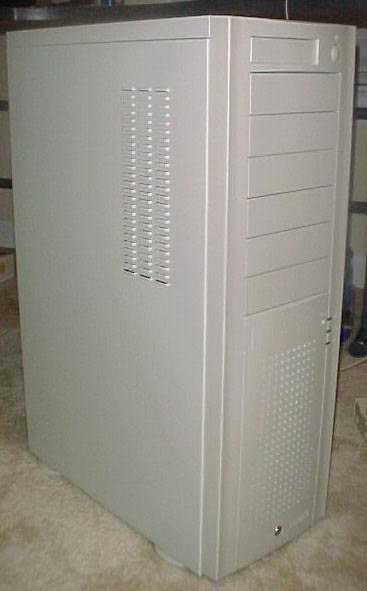
You would never build a PC today in a Supermicro SC750a case (the one pictured at the top of this post). But there was a time when this was a coveted enclosure. Expensive. Beefy. Able to be stuffed with all manner of computing evil. You would have to sometimes buy non-standard cables that were longer b/c you weren’t guaranteed to be able to make the run from the upper drive bays down to the PATA ports with standard cables.
Let’s start with that should be the obvious. No one should pay attention to anything Jason Schreier writes. He’s a man-baby that blocks anyone who asks him a question on Twitter, was speaking up in defense of Andrew Tate, has never written a line of code in his life, and has no domain expertise in program or project management. Bloomberg often gets things wrong in the realm of tech and even more so in gaming, raising the ire and notice of and getting public rebukes from the likes of Nintendo, Apple (twice), Dell, and others.
Just so we’re clear on how these Schreier articles are written when you overlay them with the way the industry works, Schreier gets his input from contract workers or migratory employees who hop onto a project when it is in its major ramp-up phase, and who either are part of a planned layoff as the project spools down, or for other reasons are just not retained as a full-time employee afterwards. These are not regular employees who are part of the company’s benefits and incentive plans, & are not always in the loop of every scrap of information that comes out, as they will not always be part of every company all-hands where proprietary information is put out, and often get their own information 2nd or 3rd hand around the water cooler or outside of work conversation. They often have an axe to grind, and are often not privy to or invested in the long-term history of how a thing got the way it is. He then sifts the tidbits that are juicy and tabloid worthy and serves those up in a package that benefits the greatest splash of torch and pitchfork rabble-rousing. This is not to say that everything he reports is untrue, or that those allegations, even if true, are justified. It’s to say that they present a singular perspective of a multifaceted problem written with one purpose: to sell newspapers.
Anyone who actually pays attention to the Call of Duty release cadence and development roadmap knows that Sledgehammer would have had a compressed dev sked. They would also know that, despite its dev hops, Sledgehammer is unfortunately third in the pecking order of the Big Three that lead the CoD franchise, clearly behind Infinity Ward and Treyarch.
Having to run things by IW when you are working on a sequel that takes place in their branch of the franchise’s continuity is a no-brainer.
Here’s what matters: the single-player campaign does not meet the expectations of a lot of consumers. There’s some nicety in the continuity of the MP. Typically things are broken from year-to-year in CoD; you have to basically put last year’s CoD down and pick up the new and start all over. But in this hop, progress is shared. Whether the game started as DLC, the SDLC was short…whatever…these are soap-opera tabloid bullshit-oids that should not make any difference to a consumer. Does the game offer you an acceptable value prop or not? If you are a die-hard CoD player, does the shared progression come off as appealing to you and are you looking forward to not having a year of sunk time lost and picking right up with MWIII? Or do you prefer the fresh start to a new football season, wiping out the history of you getting bodied for the past 12 months?
Game Informer wrote on the Bloomberg reports, and the fact that Sledgehammer refuted it. And while I hold a Schreier article of absolute zero value, I’m sorry, but with just the straight-up untruths that Todd Howard has said about Starfield, and the way that was supported by XBox, with Phil Spencer giggling in the background on the Bloomberg Technology interview, I’m not prone to believe anything that an XBox studio says today, regardless of how recent the acquisition was. What I can say is, stop paying attention to the unfolding soap opera, allowing yourself to be manipulated by the New Gaming Media backed by the bad actors on Twitter, make decisions based on a love of the art, and not brand alignment and defense. Neither Bloomberg nor Xbox give a shit about you. Only your dollars.
I Like My games Skinny or Thicc, but nothing in-between.
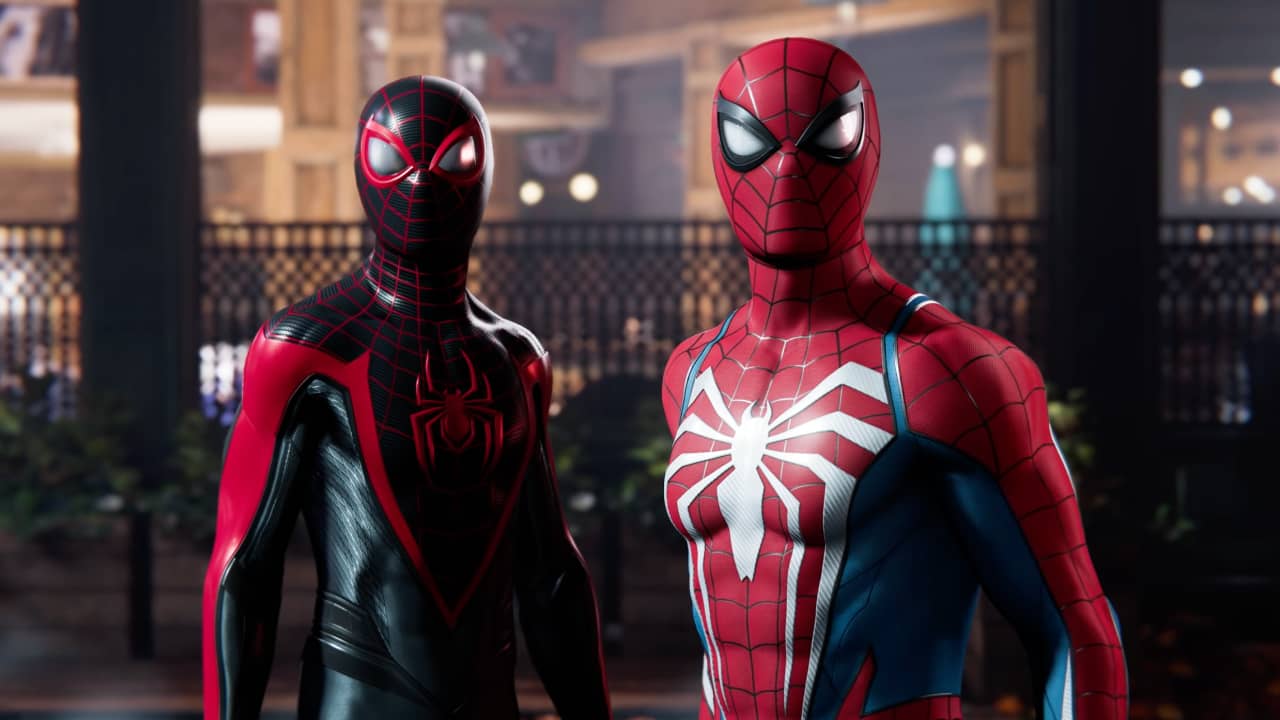
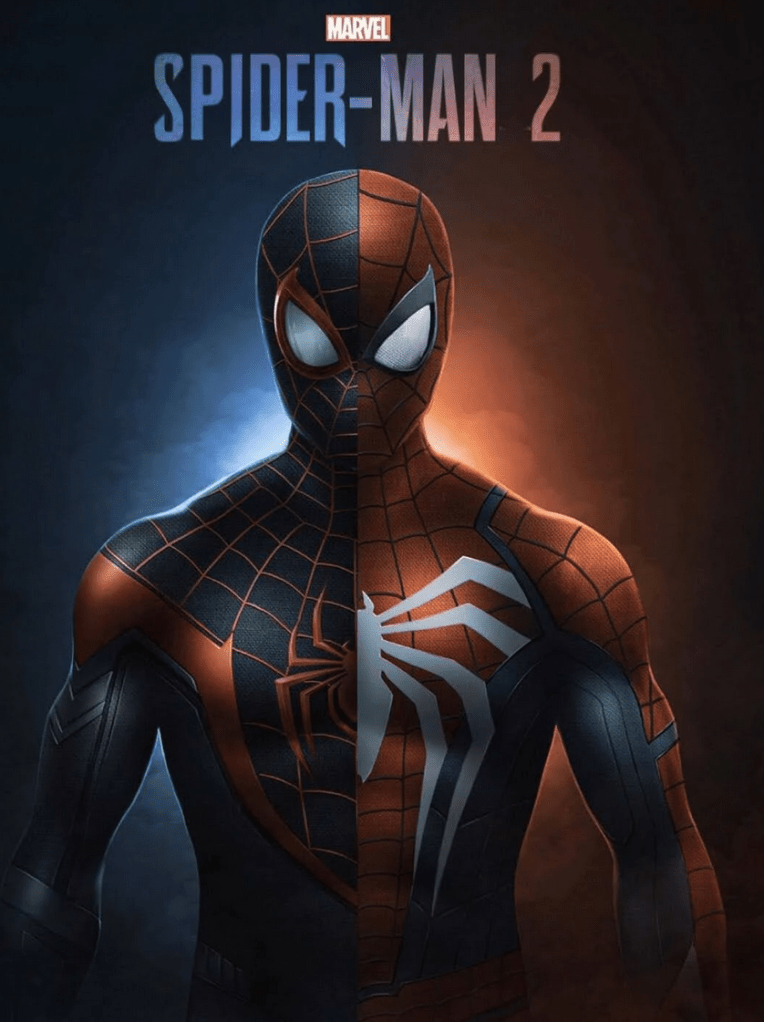
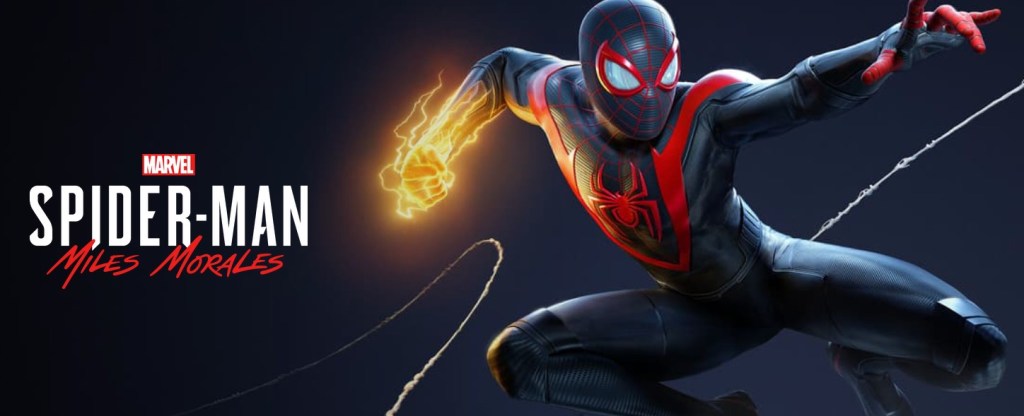
Spider-Man 2’s campaign is supposedly only 15 – 20 hours. And yet the traversable and playable city geographic area is almost twice the size of the first game’s map. And you can play as both Peter and Miles. What this translates to me is what must, mathematically, be less time spent in anything that is not directly contributory to chewing through meaty elements of the story. It sounds to me that almost all fatty tissue must have been excised; any notion of you wasting your time. Any lack of respect for the gamer’s other life-ly priorities.
How else could you explain 2x’s the characters and 2x’s the map size, populated by the exact same orchestration engine and event-triggers and random encounter branches that powered the first game? It would make no mathematical sense that the game would be emptier and more vapid than the first game. Anyone arriving at such a conclusion would reveal an individual’s lack of grasp of basic math. A poor ability to adapt geometric analogues to conceptual constructs.
Now that that foolishness is dealt with, the question is whether or not the sheer size of the game is a problem. Of course, this comes down to the individual tastes of the individual gamer. Of which I am only one. And so I can only offer a singular perspective.
I play a wide gamut of games that fit into a range of gameplay-time buckets. But even within that variance, there are some trends. Yes, I do tend to play some games that I wind up playing for years. Games that I wind up sinking in excess of 100 hours into. Multiplayer games. MMOs. Some long-play games, as I term them; sports games, driving/racing games, simulations…those types of games are almost never “done”. You play them until you are just tired of them. Or they are superseded by another version. Or, like Destiny 2, they just lose their hotness.
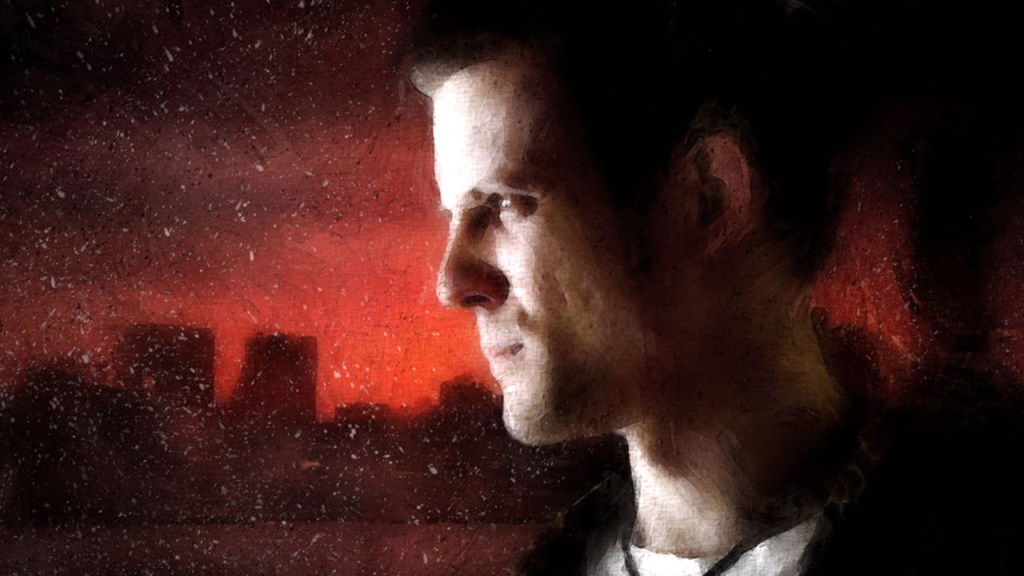
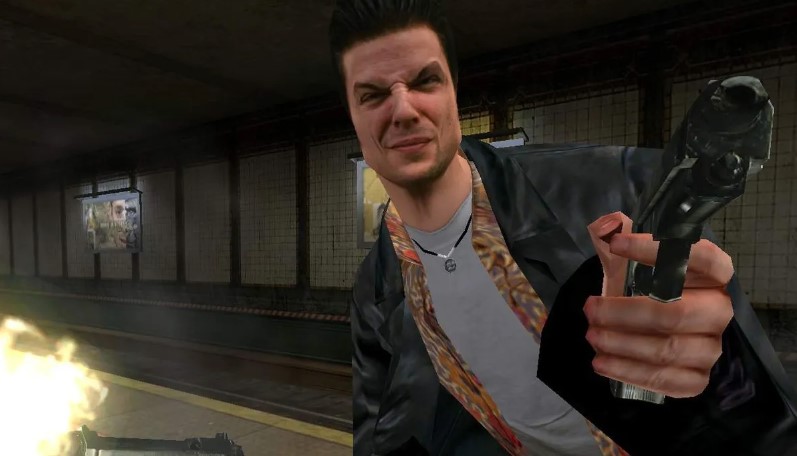
But on the opposite end of the spectrum, I like the short stuff. One of my favorite games of all time is Max Payne. A 6 to 8 hour experience at best. And I’ve spent time this year playing Shadow Warrior 3 and Trepang2. About the furthest I like going on a strictly single-player, story-driven, heavy narrative game, is 25 – 30 hours.
So Spider-Man 2 is right in my wheel house. It’s a game where I am going to spend hours grinding for suits without a care for how far I am progressing the story. Just like I did whatever I wanted to do in Starfield with no mind for the campaign. Until I was ready to care. When I chose to. Not when it was dictated to me. Spider-Man and Miles Morales allowed you this freedom; you could roam the city, intercept random crimes, and there was a warehouse full of challenges and mini-games and activities that made the currency available to grind for suits.
What I don’t like is games in the middle. There is just no way that I am paying any attention to a game with a 40+ hour story. In particular because I feel like those games in their design seem to be less rewarding for you straying off the beaten path. Give me Far Cry 5 or Diablo IV any day. I’ll take my games skinny, or thicc, but not this slim-thicc nonsense.
But seriously….with less sarcasm…I’m just not interested in games with a story that, given my play-style, I am unlikely to ever see the end of. I don’t mind side-content. I love it. I’ve spent close to 70 hours in The Division 2 and I’d do it again on a 2nd play-through. But I don’t want to sit through a story of similar length.
At the end of the day, anyone trying to make declarative statement on the quality of a game based on the length of its campaign is an idiot who tightly couples quality to the notion of quantity. But this is what you will get from people who value dining at an all-you-can eat buffet of cheap but plentiful food over a high-quality experience. The first thing you learn as any critic of any art medium is that you cannot equate price to quality, or volume to quality. Have we not spent a decade arguing about every movie not needing to be 150 minutes or more to be worthy of Oscar consideration or just to be considered a good movie.
There’s something to be said about a person who tried to view art through factors that allow the conversation around it to be reduced to the lowest common denominators. And the audience that such an individual is preaching to.
I find myself here musing tonight. On my tasklist was the assignment to update the Rounding Off Infinity website. And I found myself asking the question ”Why?”
“For what?”
Somewhere along the way, there was a mission for my original web-presence, GearWERKZ, which was solely written. Its notion was that I did not care about “hits”, or any notion of how widely my content was circulated. That if my writings, and eventually, the beginnings of E2KG, in my podcasting efforts…if just 1 person learned something from them, then I had accomplished my mission.
Along then came the metamorphosis into Rounding Off Infinity, which expanded my podcasting efforts more, added my social media presence, as well as a streaming and Let’s Play video channel. And without really thinking through it, the mission took on an effort to create a shrine of my love of video games. But it was also more outward than the old GearWERKZ content mission. I became more concerned about impacting people. Showing them that we are all individual gamers, that we can all love different things, and that over the span of our lives as gamers, of which my own has now encompassed several decades, that it will be a journey. That we will change. That we will chase our passion into the sun, and into the darkness, across nebulas of dust and gas and back out again.
In becoming concerned about that impact, I unknowingly allowed myself to be impacted by the deterioration of the conversation of gaming in today’s gathering spaces. It’s not only the drag of console wars, but, in my opinion, it’s also the rise of a demographic of consumer who abdicates any notion of their own accountability for controlling their interaction with art, media, and entertainment. It’s the consumer whose sole requirement is the low cost of access, with complete disregard for any notion of quality.
The rise of these forces has mixed with the emboldening forces of anonymity and entitlement to yield a before unseen level of intolerance. And I became convinced that I had no desire to enter into the conversation any impartment of self and my own love of video games.
Half of my podcasting life is now having a conversation on video games in front of people who will agree or disagree with you on the sole basis of whether or not your comment in the moment is a pro- or negative Xbox or PlayStation perspective. I had little desire to expand that into the rest of everything else I do in and around video games.
And the situation has bottomed out with mainstream gaming media directly participating in this behavior in the name of engagement farming, monetization, and their efforts to wrest back market-share they lost to YouTubers.
There used to be a time when talking about video games and the industry was just fun.
Dark Winds is a great TV show. And therein lies its problem. Were the show less of a critical success, then enjoying it might not feel so problematic. I’m still, in truth, untying a lot of my understanding of the social controversy and the feelings that Indians have over the show. Their reception of it over the first season was just as mixed as mine is, and obviously, with much greater emotion entangled in it. So let me deal with the conversation of the kickoff of the new season as two separate discussions; because I just have not finished emotionally processing or entirely understanding how Native Americans feel about the show.
There’s a lot of procedural crime on television today. And a lot of streaming services. AMC is a network that I have previously only associated with The Walking Dead. One of my favorite shows of all time, that I also got completely overwhelmed with trying to keep up with. My tastes in television are much smaller these days, and a bit less shared-universe. Dark Winds fits that mold, even though I am getting close to being crime-d and murder-d out, especially with the rise of shows oriented around true crime podcasts. In that vein, Dark Winds is almost a breath of fresh air. It intermixes my love for historical period-pieces, hits my Stranger Things vibe by focusing on a time-period that I closely identify with, and loops in matters of racial plight and marginalization in America; yet another topic that I readily identify with.
Zahn McClarnon as Joe Leaphorn – Dark Winds _ Season 2, Episode 1 – Photo Credit: Michael Moriatis/AMC
In some ways, one of the problems with the Season 2 premiere of the show is that the characters all feel a bit samey. There is enough of a layer of quirk around each that an empathetic viewer can see how each faces the dual anguish of not quite fitting within either Indian or White American society easily. Perhaps the most interesting shakeup to the cast chemistry is the presence of Jeri Ryan, who seems to intuit the racial separation that Private Investigator Jim Chee feels, both appealing to it in an undertone of sexual tension, while also potentially scraping against it in murmurs of racial superiority.
Perhaps probing him, trying to detect if there is some resentment within him of his own people’s worship of what seems to White America like mysticism and supernatural belief. And so in Chee we see this, his own discomfort; he is comfortable within his own people who share his skepticism of spirituality of his own culture, but feels uncomfortable when confronted with it by someone outside of his culture.
In this opening episode we do not get any onscreen time between Chee and Manuelito; just obscure references to their emotional ties. But there is an in-vehicle scene between Leaphorn and Chee that is an excellent mix of both a brotherly and a fatherly dynamic in a way that is uniquely appealing. They are both mentor and student, but also there is a firm space of equality and independence in Chee. The series premiere is a great start, without the “slow burn” mess that has become the hallmark of sooooooo many streaming shows; the pretentious stringing along of the audience, hinting at the exciting for episodes on end. While I wait to see if that is the turn the show takes, with only seven episodes to get to done, it doesn’t seem like it will go that way. There are plenty of shocking and exciting moments in Season 2 Episode 1, including the introduction of a villain that is dangerous enough to cause questions as to whether or not we’ll see any of the primary cast meet a grisly end before it’s all done.
All of these elements blend to such perfection (Dark Winds has a 100% Tomatometer rating), that the cultural and social swirl that surrounds it is unfortunate but necessary. Let me first deal with my own conflicts over the series. I opened with a reference to the original inhabitants of America as both Indians and Native Americans. Part of the reason for that is, that while having my own experience of the minority plight here in America, I am empathetic to those of other peoples’, but I cannot claim that I know them. While I am a student of history and political science, I would not go so far as to say that I can accurately articulate what the Indian experience is here in the US; or the Hispanic one; or that of Asian-Americans. So much so that I am unsure what is acceptable to says these days, Indian or Native American.
Additionally, as I have become more interested in the series, I’ve gone back and come across some writing by Navajo people who have issues with the show. Again, I will not go into them here as I am not sure I could do them justice or get them right. I have only read one article in a series of several backslashes to the show. And I am unsure if all of their issues were resolved, although I have seen headlines with the studio and showrunner trying to be better.
I will admittedly say, that I am a person who has always fallen on the side of believing that initial representation is acceptable at the price of perfectly authentic treatments and accuracy. Sometimes, it is good that a story gets told and marginalized people are raised up out of obscurity versus never being raised up at all. I know that it is painful to see the mistakes. But I believe that some people will always have to try and get it wrong before the way is paved for someone to get it right. As a black person, I get hurt from both other races and my own for not meeting their ideal of a stereotype, so I get it. And I cannot claim whether Dark Winds falls within those bounds of acceptability for the Navajo people. I do hope that they and the show come to terms and an acceptable peace.
For me, for the time being, at the risk that I am part of the problem, it is good TV. And I intend to keep watching it. My caveat is that I’ll also try to keep learning about the controversy, and looking into the history of the culture that the show portrays. And whenever I encounter a Navajo person, my stance will be one of curiosity. I’ll have questions to ask. And I won’t act as if I’ve got it all on lock because I watched a TV show that told me this is how the Navajo people are. At least there, there is a starting point for a wider conversation that I can hopefully learn from.
Looking forward to Episode 2.
[Drafted on my 11” Apple iPad Pro 3rd Generation 256GB]
I’ve been living the Android tablet lifestyle pretty much since inception. While many will have the impression that the Motorola Xoom was the first Android tablet, dozens of tablets were released by Asian manufacturers and sold as weird one-offs before tablet use of Android was officially supported. The product descriptions of these were always sketchy. Definitely a “buy at your own risk” type of value proposition. I played with a few of these as a burgeoning hardware reviewer. It was a neat, albeit painful, experience.
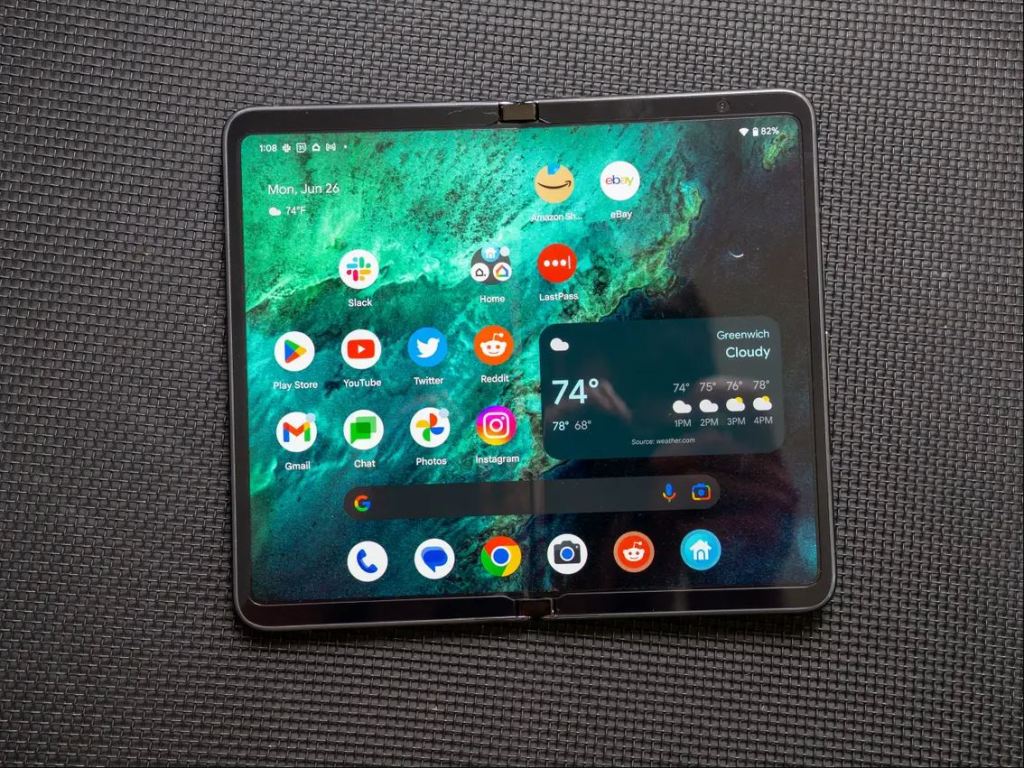
Having used a few Archos devices before, I got my start with some Archos Android Tablets back in 2010. Then later, in addition to using the Motorola Xoom, I also had the Dell 7 inch tablet that was on T-Mobile; the Dell Streak. A couple from Acer (Acer Iconia A100 & A500), including their 8″ tablet that was branded with their Predator label and was supposedly specialized for gaming (Acer Predator 8). Of course the Nexus 7; several Samsung tabs. And so on. The one thing that had always been a common point, even in recent years on the Samsung Galaxy Z Fold 3 and today’s Google Pixel Fold, has been the plethora of apps that are not optimized for large screens. Twitter and Instagram are one of the biggest offenders. Apps that I use very frequently, and yet they are horrible in how they display on anything other than a slab phone-design.
I recently tweeted at Google and Samsung, and the Android account, just days before receiving my own Google Pixel Fold. I said that it would be a travesty if the Fold released, as well as today’s Samsung Galaxy Z Fold 5, with the current state of Android Tablet apps. If those developers continued to provide less than preferential treatment for apps that should scale to utilize the additional real-estate of these phones that were costing people close to two grand.
In my arrogance, I will choose to believe that Google got the message, albeit a few days late. But this week Google finally put its virtual foot down with developers. It offered them punitive treatment for apps that appeared in the app store and were not designed to offer premium experiences. Experiences to foldable and tablet users using an enhanced presentation layer experience on larger screens. Not only will apps be pushed down in search results for this slight, but apps that also are unstable and routinely crash on tablets or on foldables when transitioning from unfolded to folded state.
Even though Samsung has a defense against this instability by the OS catching apps that need to transition by throwing up a user approval prompt to prompt the app to restart, it appears that Google may not give apps an out. Which makes sense as stock Android does not have this feature; it is one tailored and only present in that specific implementation in Samsung’s OneUI. The Pixel Fold just auto-transitions apps from slab to tablet presentation when changing modality on the phone. In this, it offers a more usable and less disruptive experience, but of course flaky apps will not respond well to this bounce. I have not personally experienced an app crash upon this event on my Pixel Fold, although I get Twitter’s janky tablet stretched ugliness in my face when I go to tablet mode.
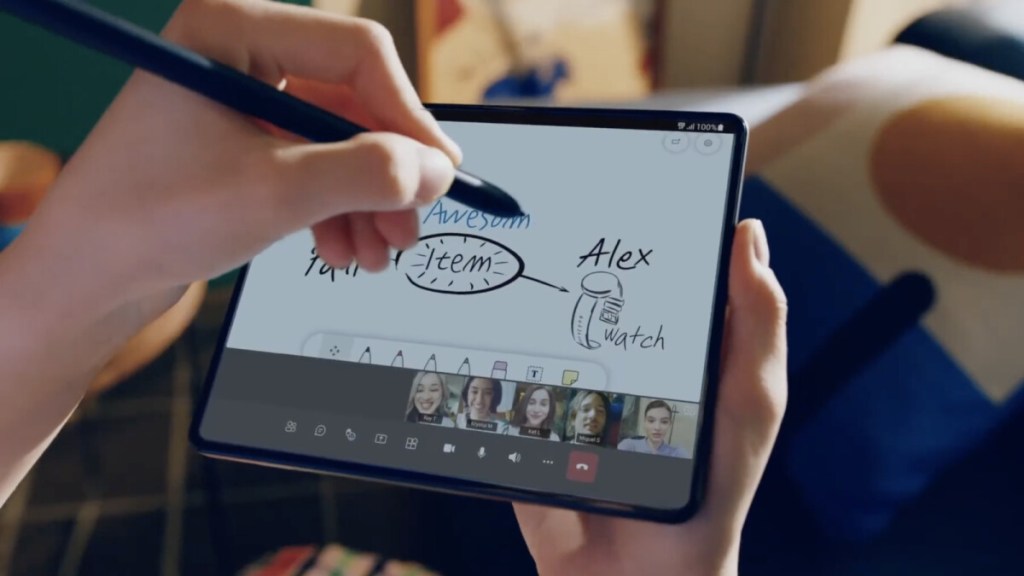
I’m glad that Google took my feedback to heart. Now I daydream about other things I should complain about to the Google Twitter account in hopes to get them to act on other needed changes. Maybe I need to prod them to make sure the Google Pixel Fold 2 gets stylus support on the next go ’round.
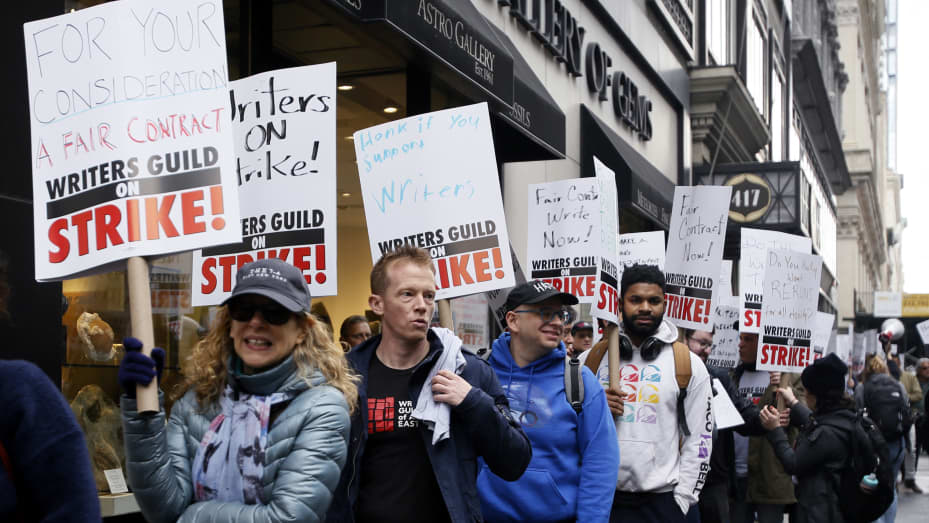
Ben Thompson posted an article on Stratechery this week that paints many parallels between the Hollywood Strike with things I have been calling out as warning signals. Potential impacts from subscription services that could have a disruptive impact on the gaming industry. The ongoing conversion of games to Software-as-a-Service, where it is taken beyond a tipping point in the games industry. It cuts across topics similar to the conversation we had on the Basement Radio Arcade podcast this past Wednesday (19 July 2023). Be mindful that my position is not the warning flare that most gamers in the PlayStation camp have been firing since Game Pass was launched. I feel this potential only became realized with the acquisition of Activision-Blizzard. A move that places Microsoft at parity with Sony by revenue, but gives them a significantly larger block of influence on the market by employee base. This is driven by not only the total studios it now owns, but also the distribution channels that it can access by leveraging its strengths in adjacent markets. While Ben’s article is an incredibly insightful one about the ongoing writer & actors strike in Hollywood, it hits the piano keys of almost everything I have been saying about the games industry for the past 18 months.
The first parallel between our streams of consciousness is in his pointing to the source of the Hollywood strikes being revolutionary changes in the technology basis of the industry having a knock-on effect to how money is earned; the business model. And therefore to how that money gets distributed, which eventually hits the talent. Other items will get dragged along with this industry dynamic over time. It evokes the question as to whether or not regulation will have to be imposed to keep things balanced between suppliers and the workforce. Suppliers stand to gain greater bargaining power with capabilities such as AI being used to regenerate performers’ likeness’ in voice and mo-cap, and the inevitable efficiencies that are dragged out of industries when they are heavily unionized (which is the natural societal response to an absence of regulation). I’ll draw pointers to this risk being a real concern when I later discuss the FTC’s revised draft guidelines on how it will police mergers & acquisitions in the future and the newly included focus on impact to employees and the labor market.
One thing that should be recognized and acknowledged, is that Activision-Blizzard will be bringing in less money as a P&L center. Normally, for a gamer to have access to the entire catalog of current ATVI games, you might pay $400 – $500. Now gamers will have access to that catalog for $204 a year, but the expense to make an individual title will remain the same. For now. And so on an annualized basis, ATVI will bring in fewer dollars total. This will result in the “shriveling pot”, a term both Thompson and I have used in our separate arguments. As the dwindling monetary resources take impact, those will not be felt by the executives at the top of the food chain. It’ll roll downhill.
The reaction to that will be to attempt to achieve operational excellence in project management and production costs. This may be done by increased automation, impacting lower-paid tiers of the workforce. I reduce expenses by not employing as many artists and testers by replicating iterative artist work with AI, & increasing the extent to which I lean on automated testing.
I also slow the creeping pace of salary increases, which I can now do because I occupy a larger bargaining block and have greater bartering power in the Human Resources / talent acquisition market. If you want more than what a Game Pass developer salary offer is, your option is to go shop yourself to the other 75% of the market. And once you are outside of the other 25% of that that is PlayStation…once you are shopping yourself to the remaining 50% of the market…you are shopping yourself to a portion that earns disproportionality less revenue. Good luck finding a higher salary there. And so the pace of salary increases winds up impacting the whole market by dragging it down. But there will still be opportunities there for the highly-paid talent that doesn’t have the stomach for entrepreneurship and wants a steady pay-check. That leaves the next lower-tier of talent to be the ones that take the Game Pass salary.
That’s not the insult many Game Pass fans will construe it to be. In any workforce, you have a 20-50-30 % split amongst your high talent / high pot employees, your middle, and then your lower tier that actually drag more out of the production than they put in. That middle 50 is really the essential part of the total workforce. You’re just going to see a gravimetric effect where more of that middle-50 talent tends to drift towards Game Pass over time. The residual knock-on effect of that will be reduction in the aggregate aspirational height of AAA projects that Game Pass will be able to take on, the velocity of development, and the degree to which an individual title can be QA’d in terms of defect discovery and defect removal.
Follow-on articles will continue the discussion of these parallels between the current Actors & Writers strike in Hollywood, and ongoing risks in the gaming industry.
[drafted on an iPad Pro 11″ 3rd generation using Upword]
In general, my feeling about subscription gaming services is that they are just yet another thing I have to manage. To make sure I am consuming enough of to justify the cost. Which means I have to establish criteria; work out mathematical formulas. Determine thresholds of acceptability. Measures of effectiveness. It becomes work.
They are no different than owning another piece of gaming hardware, really. With hardware, I have to continuously assess my revisit time with a piece of kit. I feel compelled to do the same with gaming subscriptions. Once I sign up for that foot locker full of content, I have to routinely rummage through its contents, find something to spend some time with, as an obligation; not just as an oh by the way. This is because getting gaming time into my schedule is a deliberate activity.
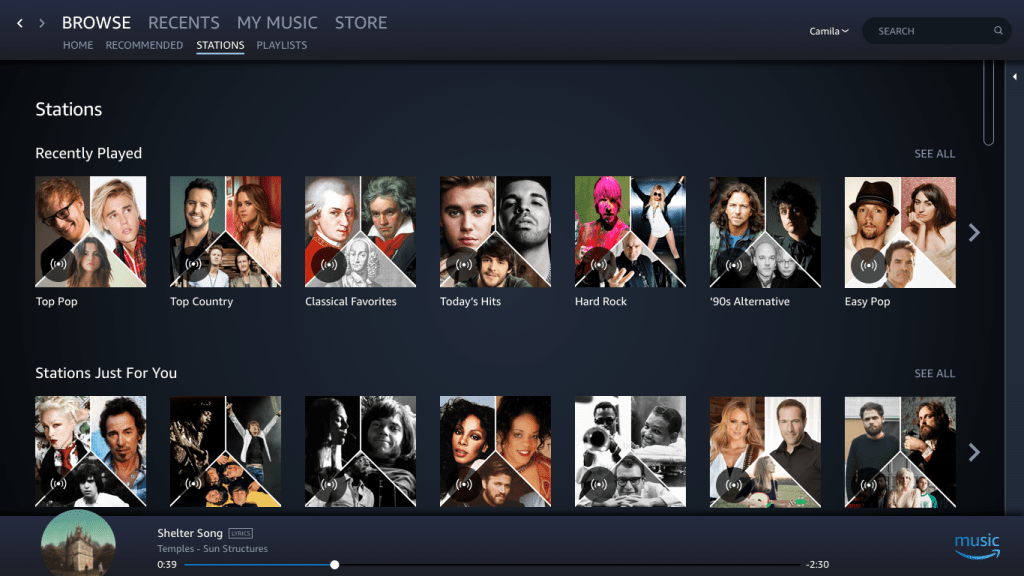
When I sign up for a music streaming service, I have occasion to listen to music all the time. When I am working. When working out. While reading. While I am getting dressed for work in the morning. On my morning commute. I watch streaming video whenever I am eating. And I have to eat. But gaming.
That I have to deliberately fit into my schedule. So my plans for gaming are also deliberate. Intentional. And my gaming subscription services are not the only thing available for me to play.
I reckon that there are a lot of people for whom their gaming subscription service is their primary way to play. And so for them, maybe it does not seem like such an out-of-the- way thing for them to be constantly rummaging through that foot locker. I figure this is how a lot of XBox / Game Pass people live. They flick their console on at night and immediately go to Game Pass to find something. Maybe.
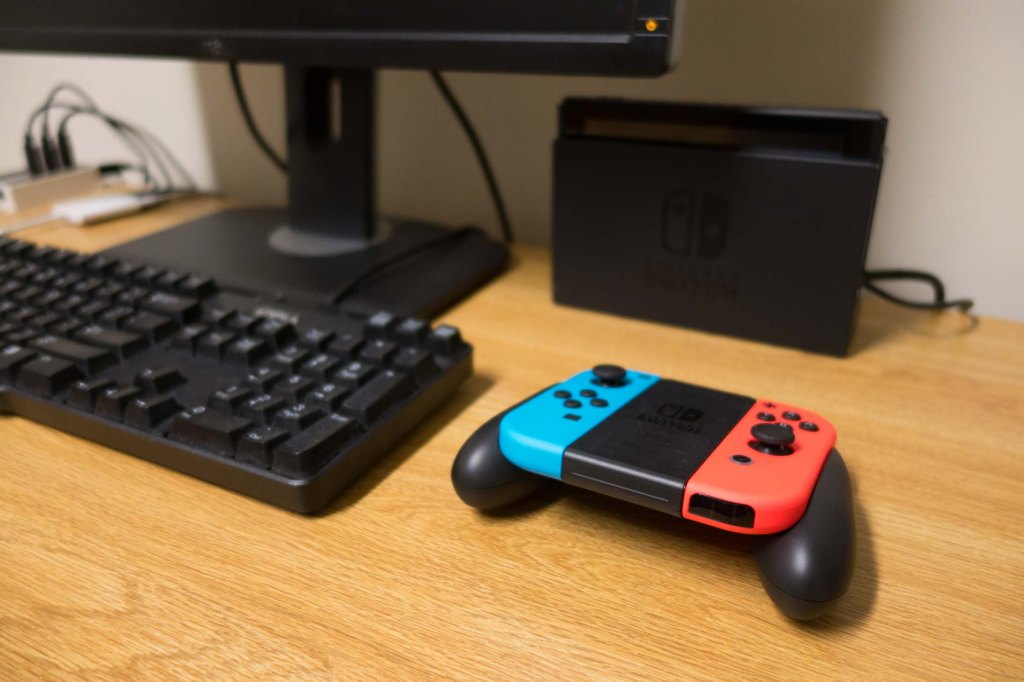
When I don’t use my subscription services for a while, I feel the same way I do when I haven’t played on my Nintendo Switch or my Valve Steam Deck for a while. The digital dust I see on my subscription services are as real, as tangible, as the real dust I see on any unused hardware.
I didn’t want subscription services when they first arrived on the scene. I allowed myself to be dragged, heels dug in, kicking and screaming, into Game Pass when Phil said all first party, day-and-date, and also on PC. Game Pass launched in 2017. But all of those benefits did not culminate in the service until 2019. That’s when I jumped; two years after the initial promises. Prior to then, I’d always held that enrolling in a subscription service would just be the demise of any notion of time management of available gaming content.
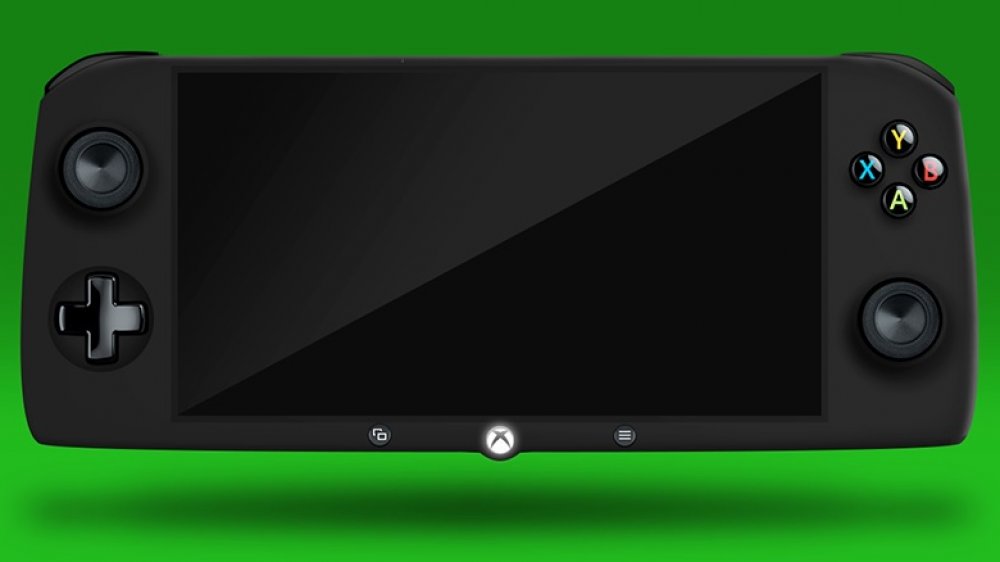
As much I’ve wanted one in the past, I don’t think I would be very much interested in an Xbox Handheld Gaming device today. It would have the same market problems that the Vita had. It would be pinched somewhere in between the Nintendo Switch, the smartphone that everyone is basically required to have today, iPads, and the Steam Deck.
An XBox Handheld would just be an also-ran, and launched in the muddled market of an older generation that insists on everything running on metal and a new generation that is less inclined to see the Cloud and mobile apps as problematic.
Such a product would have to be differentiated. What I would personally love to see is a dockable Microsoft Surface gaming handheld, as I don’t want to see the hardware outsourced to an ODM, that runs on an AArch64 chipset and is 5G enabled.
It could butt up against the Steam Deck price-point, offering full Windows functionality in docked mode and MSFT could throw in all sorts of software benefits to get people in the door, as well as a year or two of Game Pass.
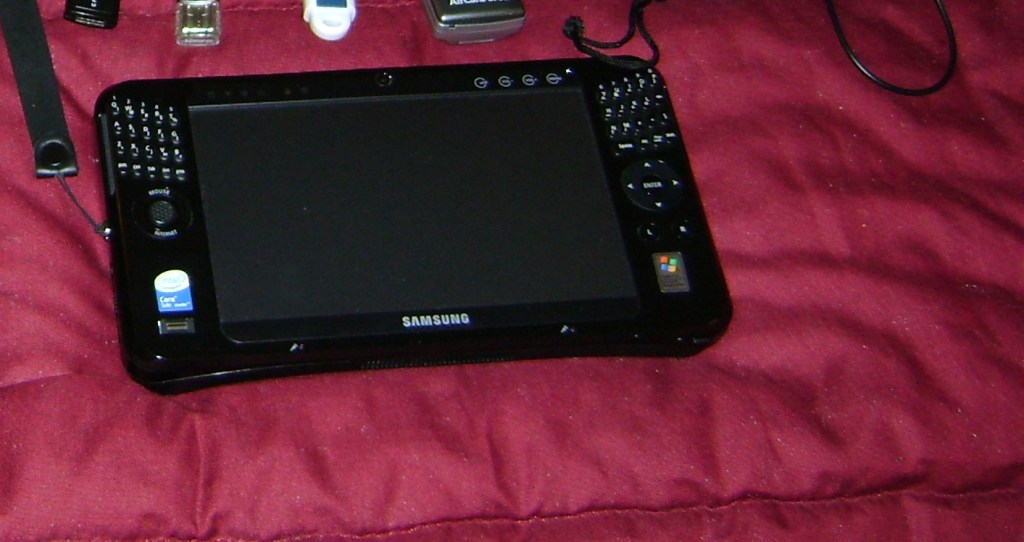
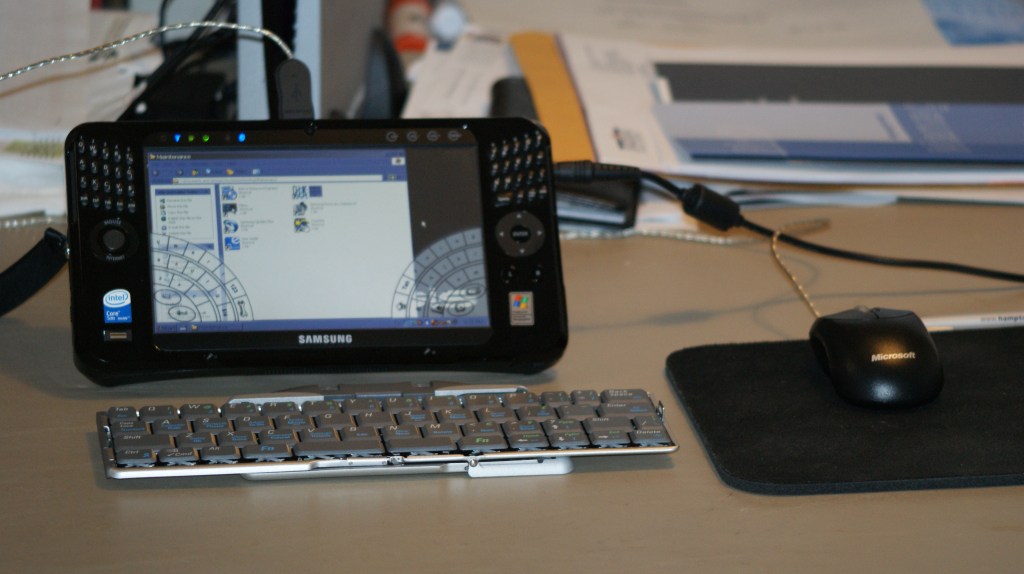
Having a Microsoft Surface now after I endured the painful pre-iPad years of TabletPC has been wonderful. If this offered the same redemption of the UMPC form-factor, after having been a reviewer of those and owning several, and covered down on gaming as well, I’d be there day 1.
SONY DSC
Of course, they could RDNA2 it à la the XBox Series chipset with some modifications, as others have suggested.
This, of course, is just about my dreams and desires as a techy. It says nothing about splitting Microsoft / XBox dev focus if they went down the route of differentiated hardware foundations and abstraction layers, the use of wrappers or something similar to Proton. It doesn’t consider the regionality plays and where such a device would do well and where in the world it might not. It does not talk about price point, how to stick the landing amongst gaming hardware but also within the Surface product lineup as well. Lots of issues would have to be considered.









 Rounding Off Infinity