I think there are some things to maybe not advocate so strongly for in gaming. Or at least to have a sophisticated conversation about full of cautionary tales rather than stumping for corpos, as that often drives you in the direction of campaigning against your own self-interests.
“We need to get back to industry growth” Do we? Maybe follow that thread to certain possible conclusions, rather than being a mouth-piece for members of the C-suite who will be vacationing on a beach in Tahiti long after their ruinous acts and decisions have left behind a broken industry.

Who exactly are we inviting in for that growth? Lapsed gamers who came in during the pandemic? Ok. That works. But that’s a finite pool. What happens after that? Oh, all of these nextgen “gamers” who…as Brendan Sinclair recently said on The Game Business Show…need a “feed bag of content hooked up directly to their mouths and content shoved down their throat”?
That notion gives me goosebumps. Is that who we want in the pool? Ostensibly lazier gamers who can’t stomach anything other than push-button on-demand experiences with zero effort via tablets and phones? You do realize what demographic you’re describing, right? Casuals. Extreme casuals. But even more so, entirely non-discriminating consumers. Who do not want today’s gaming entertainment experiences. But just want the gacha game touch-control teddy-pickers. Those are not gamers; those are glorified TV watchers. They engage their brains less. They are mindless. Aimless. Idle fidget-spinner “I-listen-to-music-as-background-noise” drones who consume from two or three screens at a time because they literally DO NOT CARE about the content on at least one of those screens at any one moment in time.
And once “game developers” realize that the market has just become a bunch of drones just seeking escapes from idle hands so they don’t bite their fingernails or rub on their private places every 5 minutes, they will care less about the content they make. It will become a commodity. And the race to the bottom will have culminated.
We often lump the Roblox people and the Minecraft people into the same pool, demographic, and addressable market as the people who want to play the next Assassin’s Creed, Forza Motorsport, and Intergalactic. But these are actually not the same, exact markets.
Has investment in Roblox led to more money to spread around to feed the wants of those other demographics? Absolutely not. That “growth” has not benefited the rest of us. It has been adjacent and concurrent, but I would argue it is almost a mutually exclusive bolt-on.
Is lowering prices the way to get back to growth? Free-to-play did an absolute nose-dive past any notion of there being a barrier based on cost. Everyone who wants to play today absolutely has an access path to do so.
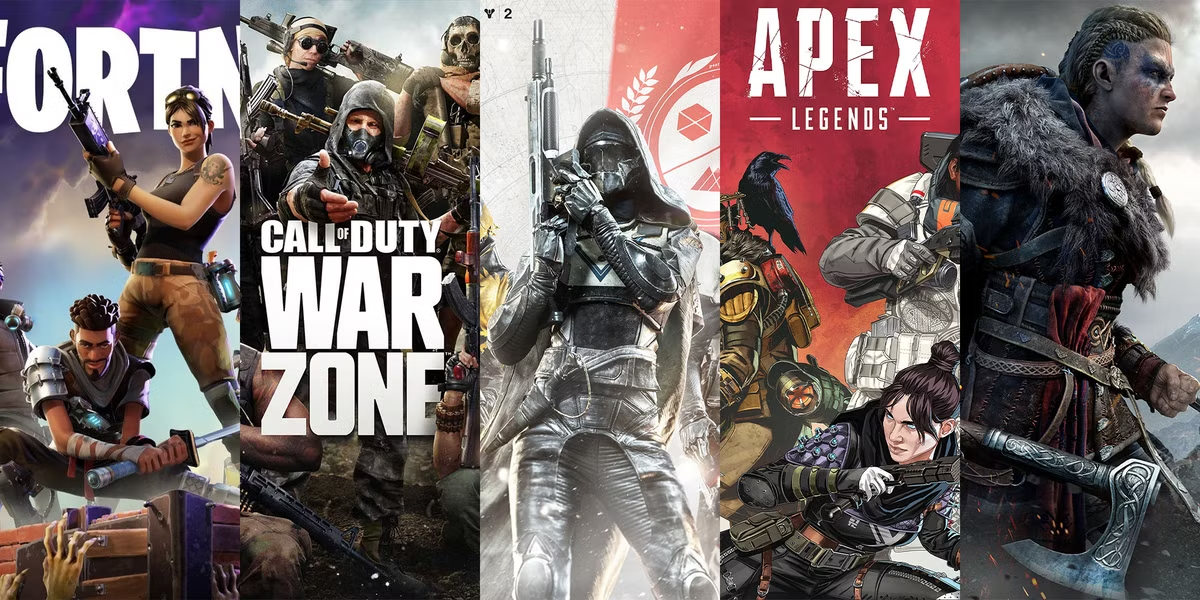
I do not necessarily have answers for these things. But the point is to say that it is absolutely more complicated than “the future generations aren’t interested in consoles” (which is actually untrue + gaming on mobile is actually not frictionless) or “I’m not the target audience anymore”. Maybe it’s just a fact that those people voicing those perspectives actually just care less about gaming. Which is fine. But maybe they just don’t have the skin in the game to accurately address the market dynamic holistically.
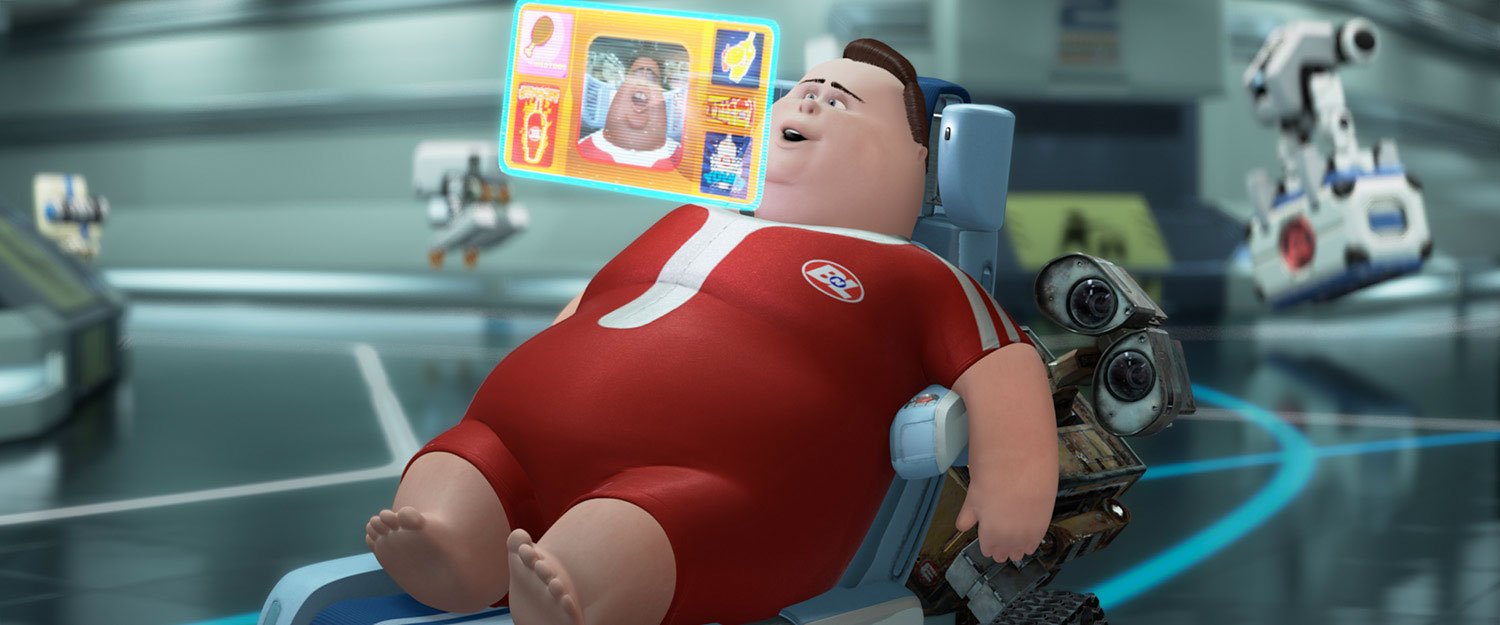
I’m not going to advocate for the future of Wall-E, where, in order to show some positive percentage of growth, we invite in a demographic of people who are unwilling to lift a finger, figure out how to connect a RF switch-box to their TV (an analogy), make deliberate choices about their games, care nothing about gaming other than what is the lowest-cost-of-access, so they can float around on a hover chair and be beamed mindless blank screens. That evolution has been evolving in a creeping tide and it has absolutely harmed the industry and the hobby.

Industry growth should not come at the expense of industry extinction. But should allow it to evolve and progress by encouraging investment without leading to a race to the bottom.
 Rounding Off Infinity