Look. Peanut butter goes with jelly. I am not sure Luke Skywalker would have been that interesting if not for the presence of a Han Solo. Scotch goes with a cigar. And despite our world having a long-running tradition of seeking out and making great pairings, not all game development feels compelled to work within similar concepts. There are ideas that come along and poise either a pop-culture IP (a comic book property, movie, table-top wargame, or pen-and-paper RPG) or a previously established gaming franchise alongside a genre that is a sharply different or non-intuitive fit. Strange Pairings are what I call these things.
There are many examples of this, of course. There was the attempt to map the Warhammer games, historically rendered in some form of tactical genre, including RTS’ and turn-based strategy games, to a first-person model in Space Hulk: Deathwing. That game is not held in nearly as high regard as the series of RTS’ by Relic Entertainment. Nor is its kindred spirit, Warhammer 40,000: Space Marine. Of course, Starcraft also went down the FPS path, breaking mold from its RTS roots, with project Ares. A title that was eventually killed off by Blizzard because they couldn’t quite get it right. Equally questionable is when a pop-culture IP that would seem to lend itself to a particular genre is slated to be wrangled into a genre that, at best, seems like it would be an ill-fitting suit. No game in recent memory has made such a prominent example of when this notion is poorly executed as the XBox 360 version of Shadowrun.
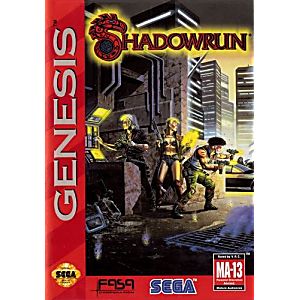
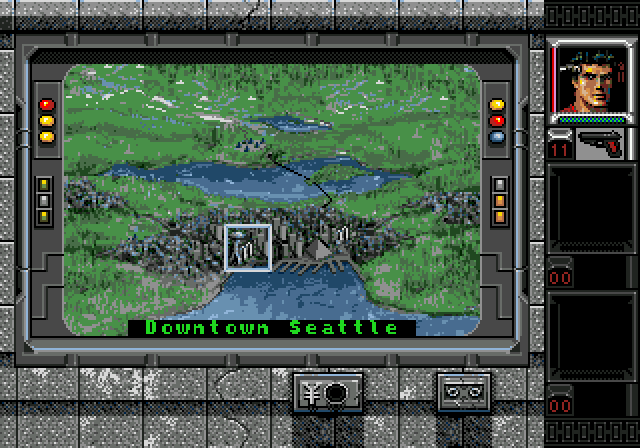
Previously released as an RPG on the Sega Genesis system in 1994, BlueSky Software had developed that iteration around a genre that mapped very well to the IP’s original pen-and-paper RPG roots. For some reason, the short-lived FASA Studios, originated in 1994 and purchased by Microsoft and absorbed into Microsoft Game Studios in 1999, determined that the property would be used to produce a multi-player first-person shooter. The idea was a bit ahead of its time, as the likes of a totally multiplayer-focused Call of Duty had not even yet come into being, and only something like a Battlefield had really tread similar waters. It was a bold move. One that did not pan out. 4 months after the games’ release, the studio was shuttered, although the game itself would outlive its original developers by 2 or 3 years. While a key component to the failure of the title overall was the implementation of the game itself, this example and the others mentioned give me cause to believe that some properties just don’t lend themselves well to any genre.
Even when the game is executed well, I have my own problems associating certain properties with mismatched genres, and I suspect other gamers do, too. Star Trek is a property that lends itself to thoughts of starship combat. While we joke at great length about Red Shirts, and love the idea of Away Teams, the Elite Force series of games were problematic business ventures, despite being notionally good games. They failed to hit as commercial successes, the first game selling around 65k units when Activision had projected upwards of 700k. And while I was playing them, despite being a life-long Star Trek fan, I just did not associate my experience in those games with the Star Trek IP. I had always envisioned myself in a Star Fleet uniform on the bridge, at a given station, if not in the Captain’s or Exec’s chair.
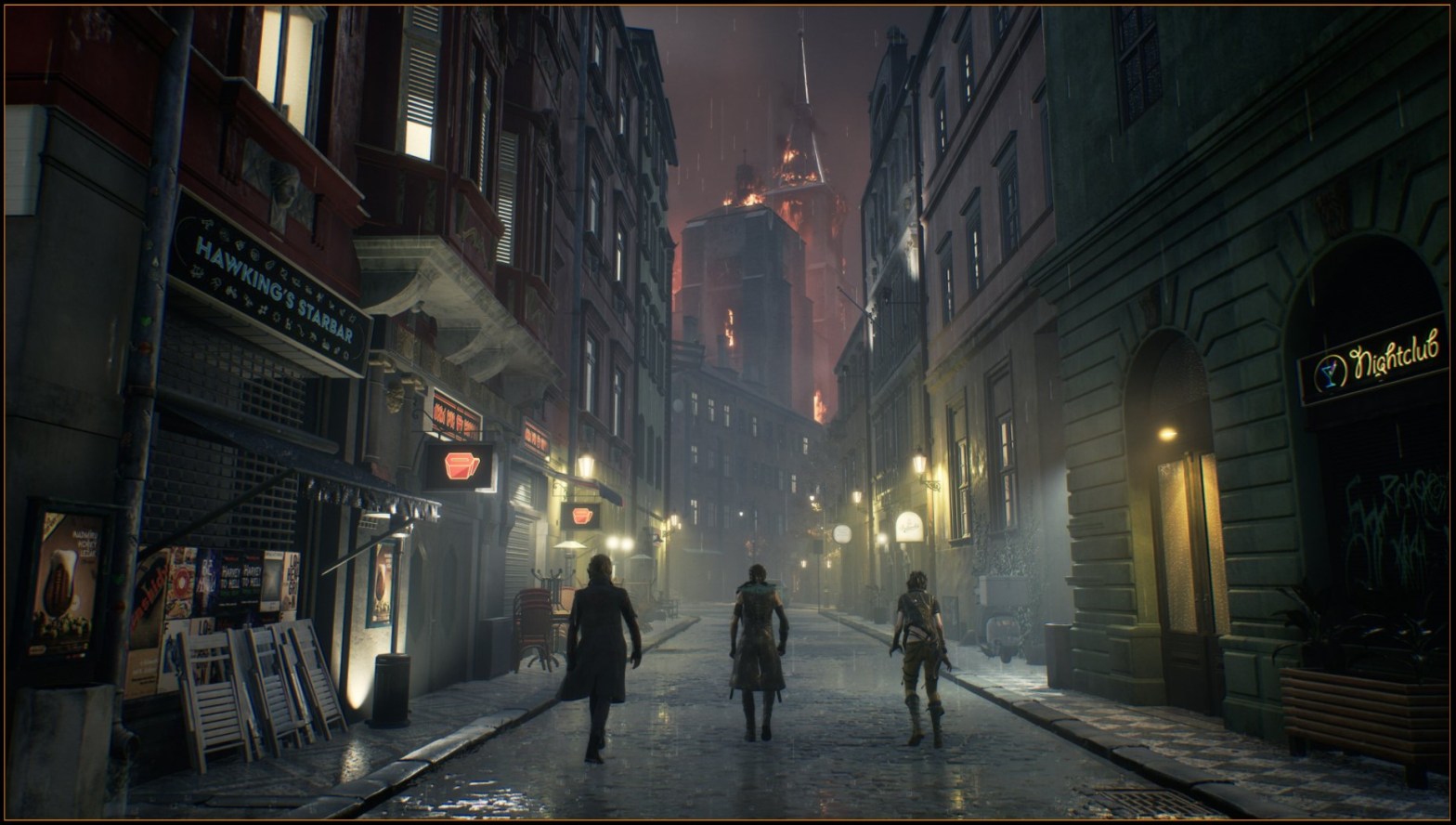
And despite these potential consumer friction-pads of uptake, Sharkmob has gone down the path of implementing Vampire: the Masquerade, another IP borne in the cloak of pen-and-paper RPGs, as a free-to-play, battle royale. This is a leap and a stretch that causes me great amounts of questions. Vampire: the Masquerade the IP already has a very, very storied history as a game franchise. It’s first incarnation as a game was released in an almost unplayable state back in 2004. Its developer, Troika Games, would shutter its doors some six months later, with Bloodlines being the final game that they ever produced. A shame, as the mod community has turned that game into the masterpiece that it was originally intended to be, and I loved playing the game post-mod patch; not so much the original release version. Its successor, under development at Paradox Interactive, was announced in 2019, was due to release in 2020, and currently will be delayed at least 2 years before it ever sees the light of day. These are both games in the cRPG genre. Sales of Bloodlines were poor to start, but the game has experienced a commercial resurgence since being made available on Steam. But the IP has struggled within a genre that is perfectly suited to convey the experience originally designed for the IP. A F2P BR is not that. And I struggle to understand why anyone would think highly of its chances of commercial success when previous iterations in genres that would seem like a slam dunk have not been more than an air-ball.
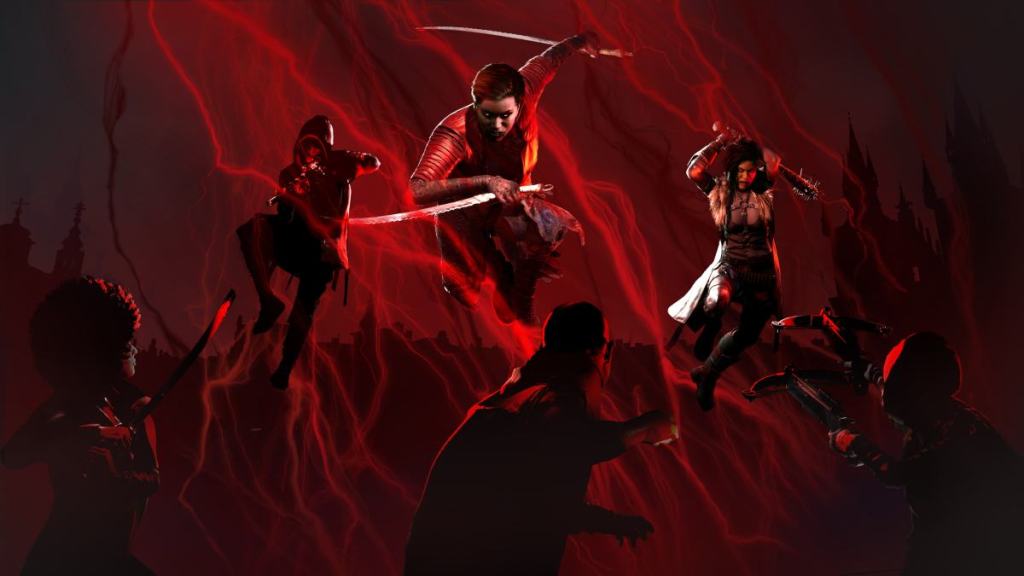
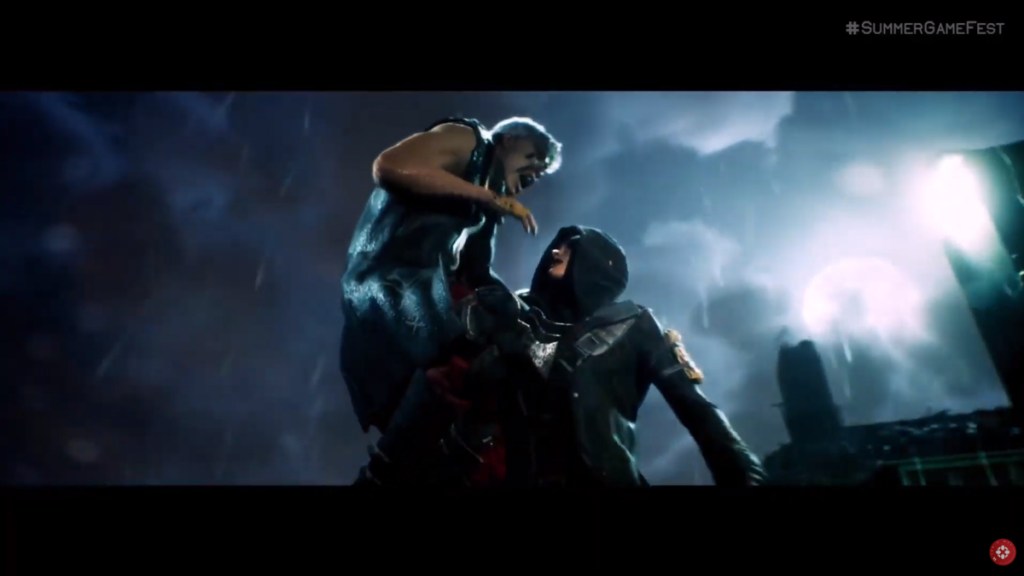

The Masquerade is a bit of a niche pop-culture interest. I cannot say that it is followed by great multitudes within the geek community. I cannot imagine anyone popping into the F2P model and extracting any understanding of the lore outside of “Agggh! Vampires!” Maybe the faith comes in the wrapping in the F2P, micro-transactiony business model. But I certainly have greater projections and expectations of success of Arkane Studios’ Redfall, which offers a similar setting and window dressing, but decouples itself from any association with a previously existing IP. As in all games, I have the highest hopes for Bloodhunt. And perhaps I’ll be made to eat crow. Maybe its exactly because no one knows about the Masquerade that it will be fine as a game taken up by unexposed masses. For now, I am pretty convinced that not every IP will squeeze natively into any genre, when the concept causes me to look at it as an unnatural creative mixture. But then, vampires are inherently unnatural, and so maybe it just might work.


 Rounding Off Infinity