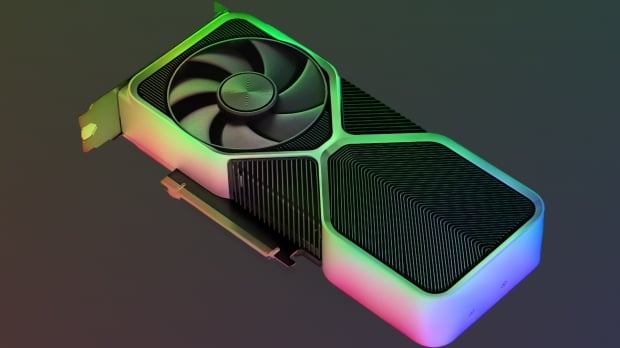
Many console gamers have gotten it twisted in their efforts to console war with their brothers and sisters across the aisle on the Xbox side of the House. They have unfairly accused the Xbox Series S as being the culprit that is holding back gaming. But as I have often advised, it is not the Series S. It is actually the 8GB GPUs that Nvidia and AMD send to the market, and force developers to take black-eyes over when the performance of a new game on them is horrific. But it may pan out that these cards may be seeing the end of days.
PCGamesN reported today that they have seen indications that Nvidia has sent out guidance to AIBs that they do not want to see a glut of these things sitting at retail. Nvidia elected to make 2 SKU’s of its RTX 5060 TI GPU, one in an 8GB configuration and one in a 16GB config. And the 8GB version is not selling. I had thought that that item would still find traction with the eSports crowd, as they generally set all visuals to low settings in order to crank max frames. But it appears that that is not enough to get these potatoes moving.
There’s enough here in the rumor that I sense that Nvidia is considering moving on from 8GB GPUs overall and we may finally be seeing a point in time when these things go the way of the Do-Do. With the PlayStation 5, the primary high-end console with the majority of market share, baselined at 16GB of RAM, and that being the core target for many developers, the 8GB GPU is always going to struggle running modern games.
And developers are only expending wasted energy supporting them, and constraining their game designs based on them.
The 16GB RTX 5060 Ti sells for just $70 more than the 8GB version. And the AMD RX 9060 XT 16GB sells for the same price as nVidia’s 8GB SKU. So it’s a no-brainer that most consumers would choose to either save up for one more pay day or just buy the 16GB Radeon card. Either way, good riddance. The 8GB GPUs have been causing us all problems on both PC and console, as game-designs can be impacted by cross-platform games going to both console and PC day-and-date. There are few things more poetic than consumers actually being informed, voting with their wallet, and driving the market towards equilibrium and that forcing a change in the behavior of suppliers.
Yes, please. More of that.

 Rounding Off Infinity