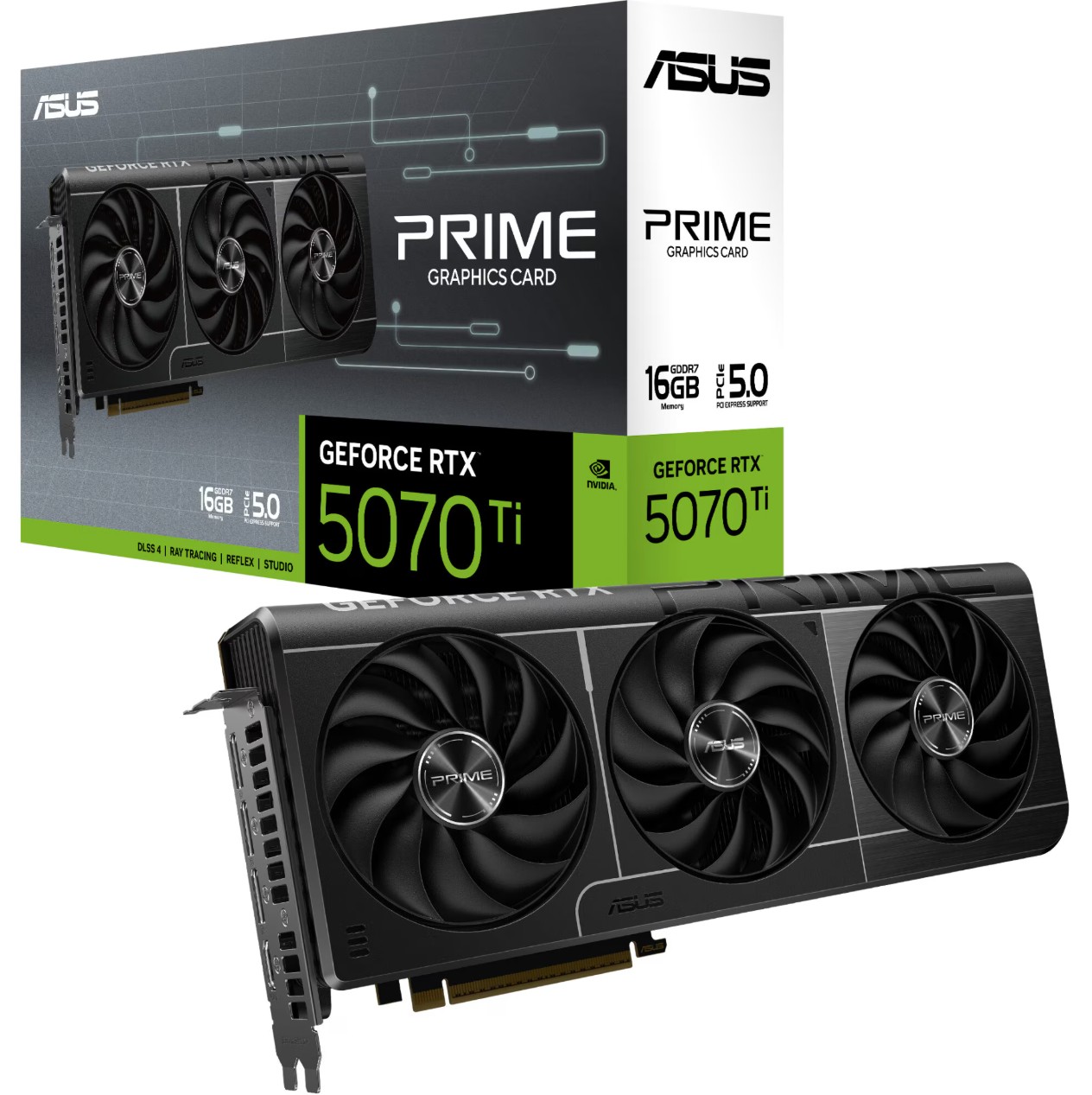
When Queen Elizabeth I signed the death warrant of Mary, Queen of Scots, she claimed she never directed her secretary to actually submit it to the Privy Council, and hence was not directly responsible for Mary’s execution. That’s a bit macabre of an analogy, but I’m on an intense history kick right now. And it is a bit of the way that I take ASUS’ commentary that it cannot stop how prices are set for buyers on its GPUs.
Digital Trends reported earlier this week on an interview with ASUS’ VP of its Multimedia Business Unit. The big takeaway is that ASUS’ commentary would lead one to believe that they are the oppressed, caught in the pincer between nVidia and its retail partners.

Germany said the same thing in World War I. That the war had been thrust upon them and so they were given no choice but to attack France in an effort to defeat them before Russia could overcome the Austrians. Pincered between Scylla and Charybdis, as it were.
I’m inclined to give them some percentage of leeway in the veracity of their view. They don’t have much say in the prices nVidia sets on its chips. And once they set a wholesale price, the downstream retailers then mark that up based on scarcity, additional supply chain costs, and other sundry bits.
The argument collapses a little, though, when I look at the ASUS Direct site and see similar markups on cards that they are theoretically selling directly, or at least, even if through a second party, with less of a markup than you would expect to see on Amazon, Newegg, or at Best Buy. And those markups run similar to what nVidia lists on their own site for direct-to-consumer sales. On the ASUS site, there is a single 5090 being sold at MSRP. Of the other 14, the cheapest SKU is $1000 over 5090 MSRP. On the nVidia site, no 5090s are being sold at MSRP.
I expect that for AIBs there will always be some markup due to overclocking, piggy-back fans, or whatever other add-ons are included. But I expect the SKU lineup to go from MSRP to however much higher they want. But that there be SOME supply being sold to people at MSRP or a skosh over.
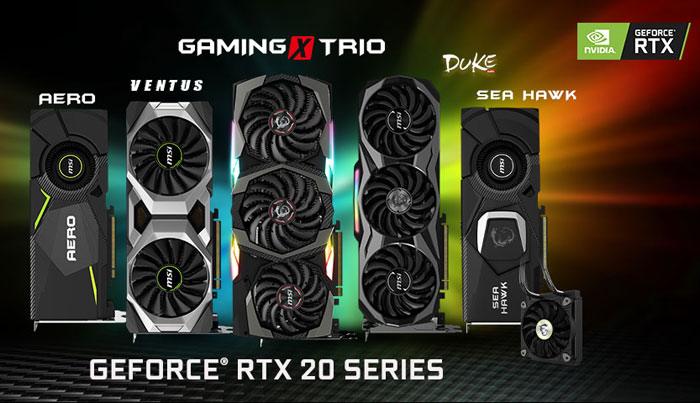
But as ASUS says, part of the formula is consumer willingness to pay. And since the dawn of graphics accelerations cards 30 years ago at $30, consumers have always been willing to pay a bit more generation over generation. And consumers have yet to band together and boycott GPUs, or organize themselves into buyers’ cooperatives or cartels.
So maybe the egregious prices are not the magnitude of problem they are claimed to be?
 Rounding Off Infinity