Horror of all horrors, I’ve forgotten my AirPods for my night sojourn to the “coffee shop” (which is really the lobby of a gym where I need to hang out a few times a week while I wait on someone). This results in me not being able to listen to music, not being able to watch any TV shows or YouTube, and having to overhear the screaming of the nearby aerobics class who somehow convinces themselves they are working harder by screaming the lyrics of whatever pop music anthem their instructor has them bouncing to.
I’ll try and get a blog post out tonight regardless. This contingency might require a tech solution to prevent it ever happening again, like a spare pair of refurbished AirPods in the glove compartment or something.
So I hear that a group of 200 employees at Activision Blizzard unionized late last week. To-date most of these groups have been QA/test and your lower salaried disciplines.
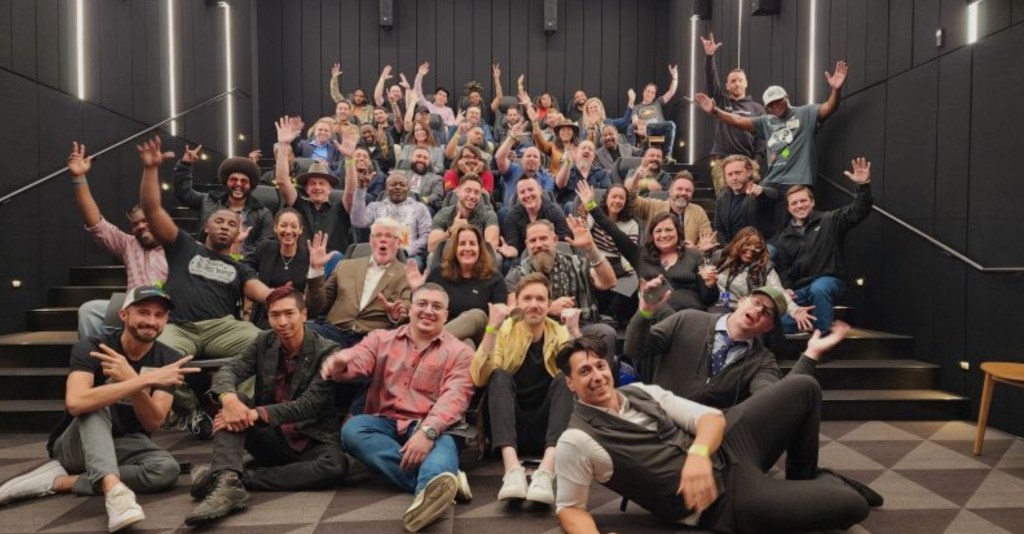
This group, however, and one other in recent history, have been a “wall-to-wall” unionization consisting of multiple disciplines. The two gaps remaining in both this unionization and the one preceding it is that it has not been 100% or a specified majority of the workforce, and “wall-to-wall” has not included a voice track specifying a bulk of the developers.
Now. I understand the trend that says that everyone who is involved in a studio team with getting a product out the door is referred to as a developer. And I appreciate the effort to give praise to the entire team. I agree with that.
As a hiring manager in the software development and engineering space for the past 13+ years of a 30+ year career, when I say “developer”, I mean a hands-on-keyboard software developer or engineer.

There is a shoe that I am waiting to hear drop. Where it comes to salaries, I do have to draw recognition to the objective fact that there is a difference between an artist and a tester versus a hands-on-keyboard software engineer who writes code and even a test engineer, who programs scripts and telemetry utilities to automate testing and provide automated results. It’s not a matter of the latter disciplines are “more valuable” to the team, it is that they draw higher salaries, and in particular, are more critical and there is more competition in finding them on the job market.
As a result, these disciplines tend not to want to subject themselves to collective bargaining. Because it normalizes their max salary potential and dilutes it to a running median along with an employee base that will consist of high, medium, and low performers. So your high performers in STEM technical ranks tend not to want to unionize. And even if they think they are a high-performers and actually are not, those ranks still hold their max earnings potential in high regard.
That is a dynamic in which the gaming industry is still like the rest of the tech industry, and not yet Hollywood, where even actors paid millions of dollars are still incentivized to unionize along with actors who barely book enough work to qualify for union health benefits. Until the negatives of the current market state worsen (which admittedly they have slightly even since the MSFT-ATVI acquisition-merger) to the point where they impact everyone throughout the salary ranges and ranks, it will still be tough in my opinion to widen the unionization state of the employee base to something that is more ubiquitous like Hollywood.

But, admittedly, it has made steadier gains than I suspected and projected. While still an uphill climb, the fear of AI is making the notion of collective bargaining gain wider-spread interest than just voice-actors. Developers are starting to realize that if the suits come for one group of them, eventually they will come for all.
 Rounding Off Infinity