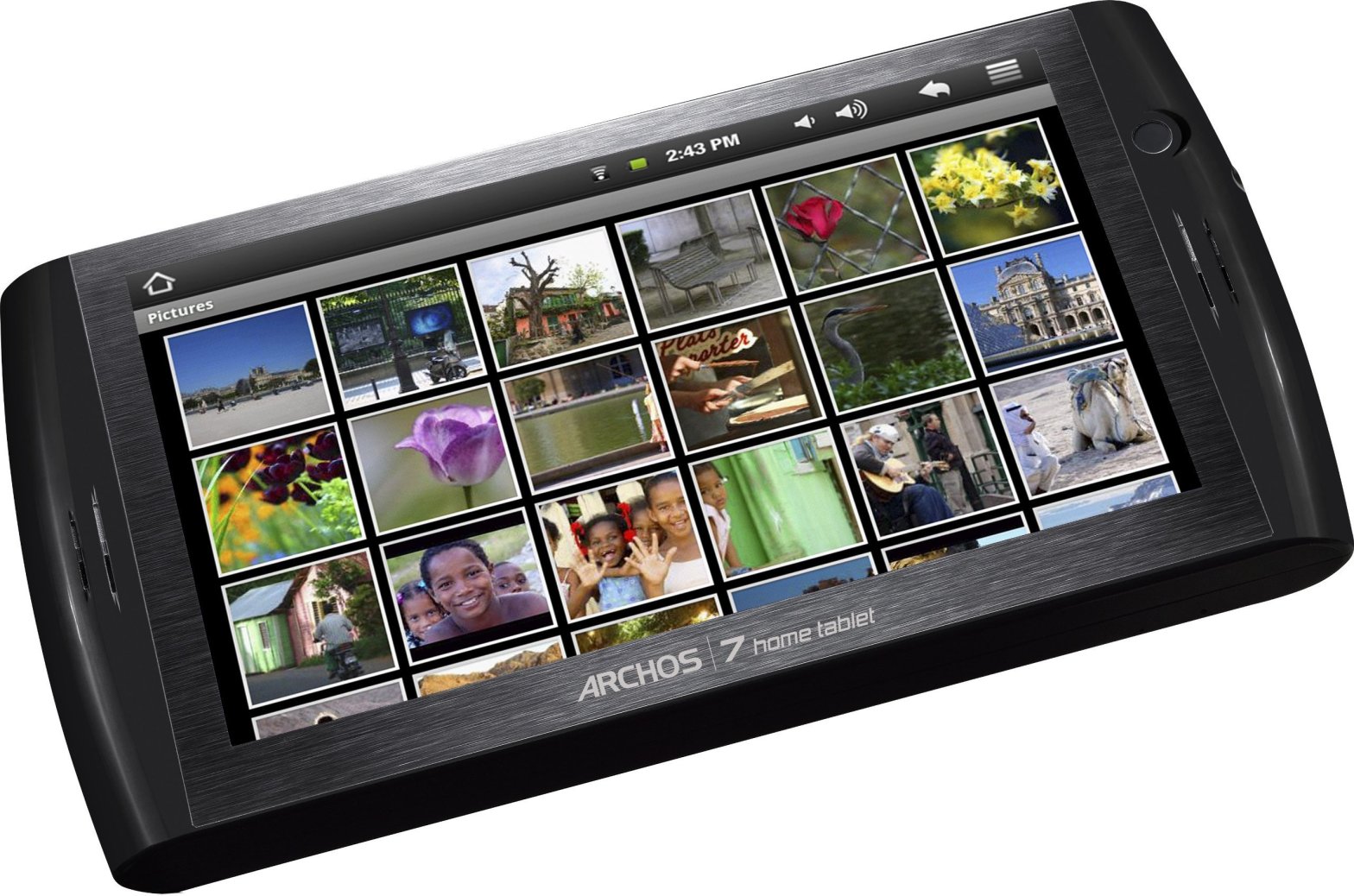
I’ve been living the Android tablet lifestyle pretty much since inception. While many will have the impression that the Motorola Xoom was the first Android tablet, dozens of tablets were released by Asian manufacturers and sold as weird one-offs before tablet use of Android was officially supported. The product descriptions of these were always sketchy. Definitely a “buy at your own risk” type of value proposition. I played with a few of these as a burgeoning hardware reviewer. It was a neat, albeit painful, experience.
Having used a few Archos devices before, I got my start with some Archos Android Tablets back in 2010. Then later, in addition to using the Motorola Xoom, I also had the Dell 7 inch tablet that was on T-Mobile; the Dell Streak. A couple from Acer (Acer Iconia A100 & A500), including their 8″ tablet that was branded with their Predator label and was supposedly specialized for gaming (Acer Predator 8). Of course the Nexus 7; several Samsung tabs. And so on. The one thing that had always been a common point, even in recent years on the Samsung Galaxy Z Fold 3 and today’s Google Pixel Fold, has been the plethora of apps that are not optimized for large screens. Twitter and Instagram are one of the biggest offenders. Apps that I use very frequently, and yet they are horrible in how they display on anything other than a slab phone-design.
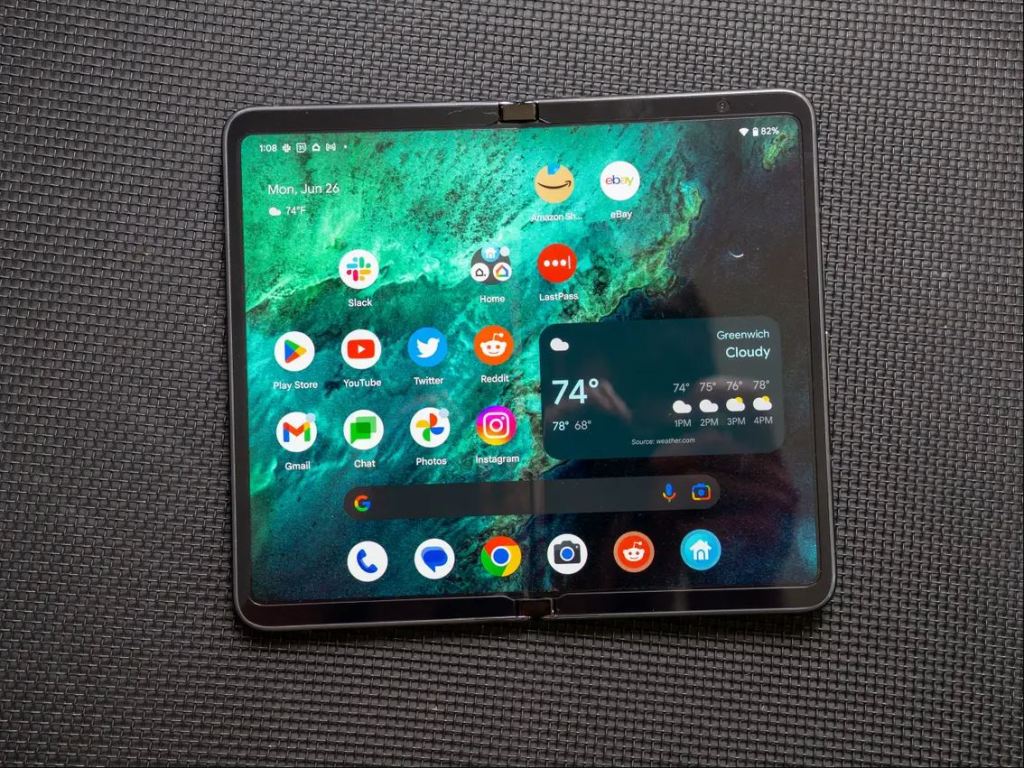
I recently tweeted at Google and Samsung, and the Android account, just days before receiving my own Google Pixel Fold. I said that it would be a travesty if the Fold released, as well as today’s Samsung Galaxy Z Fold 5, with the current state of Android Tablet apps. If those developers continued to provide less than preferential treatment for apps that should scale to utilize the additional real-estate of these phones that were costing people close to two grand.
In my arrogance, I will choose to believe that Google got the message, albeit a few days late. But this week Google finally put its virtual foot down with developers. It offered them punitive treatment for apps that appeared in the app store and were not designed to offer premium experiences. Experiences to foldable and tablet users using an enhanced presentation layer experience on larger screens. Not only will apps be pushed down in search results for this slight, but apps that also are unstable and routinely crash on tablets or on foldables when transitioning from unfolded to folded state.
Even though Samsung has a defense against this instability by the OS catching apps that need to transition by throwing up a user approval prompt to prompt the app to restart, it appears that Google may not give apps an out. Which makes sense as stock Android does not have this feature; it is one tailored and only present in that specific implementation in Samsung’s OneUI. The Pixel Fold just auto-transitions apps from slab to tablet presentation when changing modality on the phone. In this, it offers a more usable and less disruptive experience, but of course flaky apps will not respond well to this bounce. I have not personally experienced an app crash upon this event on my Pixel Fold, although I get Twitter’s janky tablet stretched ugliness in my face when I go to tablet mode.
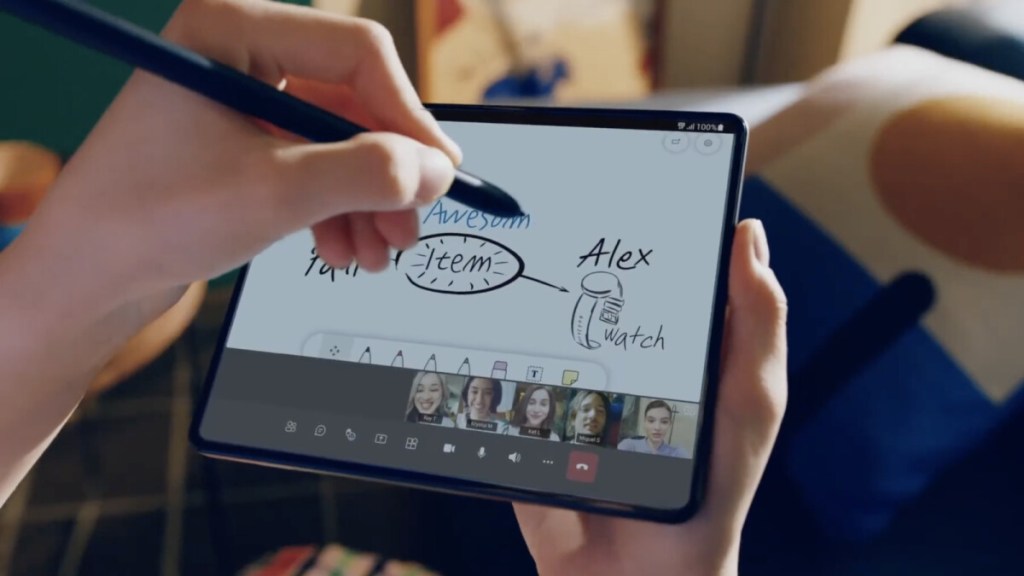
I’m glad that Google took my feedback to heart. Now I daydream about other things I should complain about to the Google Twitter account in hopes to get them to act on other needed changes. Maybe I need to prod them to make sure the Google Pixel Fold 2 gets stylus support on the next go ’round.
 Rounding Off Infinity