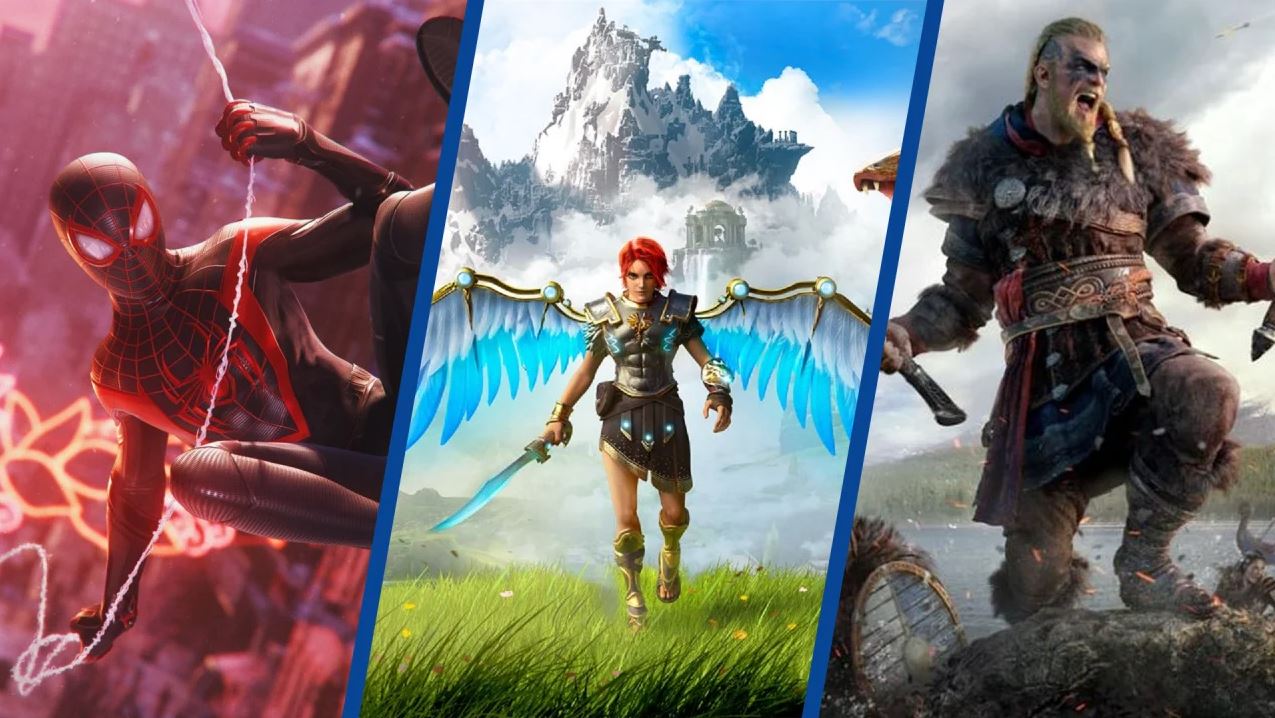
I want to write a feature post here over the next few days about my favorite Open World games. It’ll be a doozy. But first, I felt the need to set table stakes with a problematic part of the narrative going around on Open World Games.
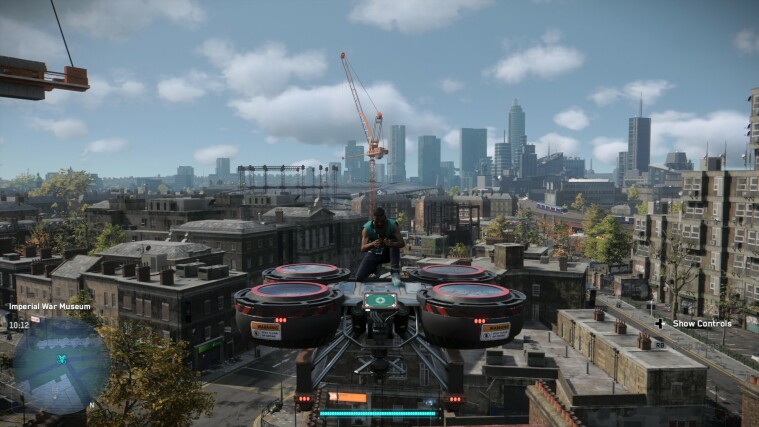
“Not every game has to be open world”.
The statement has become a trope amongst the gaming opinionated. The 17% of the gaming market that hangs out on social media. It is not the indictment that some think that it is. It reveals far more about the limited palette of the commenter than some perceived decrepit state of the industry.
So much of the dialog about gaming centers solely around the games that populate the front page of Metacritic and whatever the gaming media raises up. This limits the conversation to a very small population sample of what is available on the market. And therefore, gives a skewed take whenever someone extrapolates a statistically founded comment based on that small population sample.
The problem stems from not taking into context everything that comes out on the gaming market every year. Somewhere between 240 and 320 “playable” games come out on the gaming market per annum. I say that based on using a thumb rule of games that chart at 80 or above on Metacritic. It may be an imperfect ruleset, but for the sake of conversation and this discussion, it suits. 241 games that met that criterion came out in 2022. So, it’s not as if 50% of those games are open-world. In fact, a relatively small percentage of those games are.
Open world is a big-budget effort. The game worlds of those titles are huge. And only able to be tackled by large teams with big budgets. At least any open world with fidelity and at scale. So, the number of games of that ilk that come out each year are not representative of a bulk of what the market is putting out.
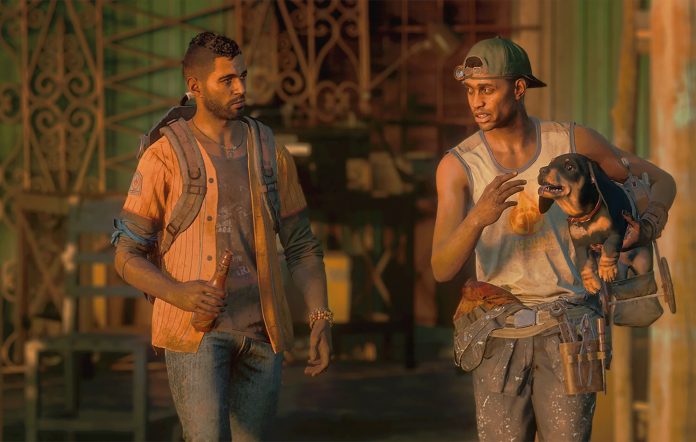
So, no. “Not every game has to be open world”.
But also, not every game has to be single-player story-driven deep narrative with cinematic cut-scenes.
I’ve had the great fortune (or misfortune) of seeing some of my favourite genres recede to the point of almost becoming extinct. RTS’. Flight sims. Driving Sims. Spaceflight sims. For years, no new simulation peripherals were even made; a telltale, tangible sign that the tide on a given genre had gone out to sea. Manufacturers of those devices were bought, and their product lines given little care and attention. The genres that they supported almost nearing the stat of faded memory.
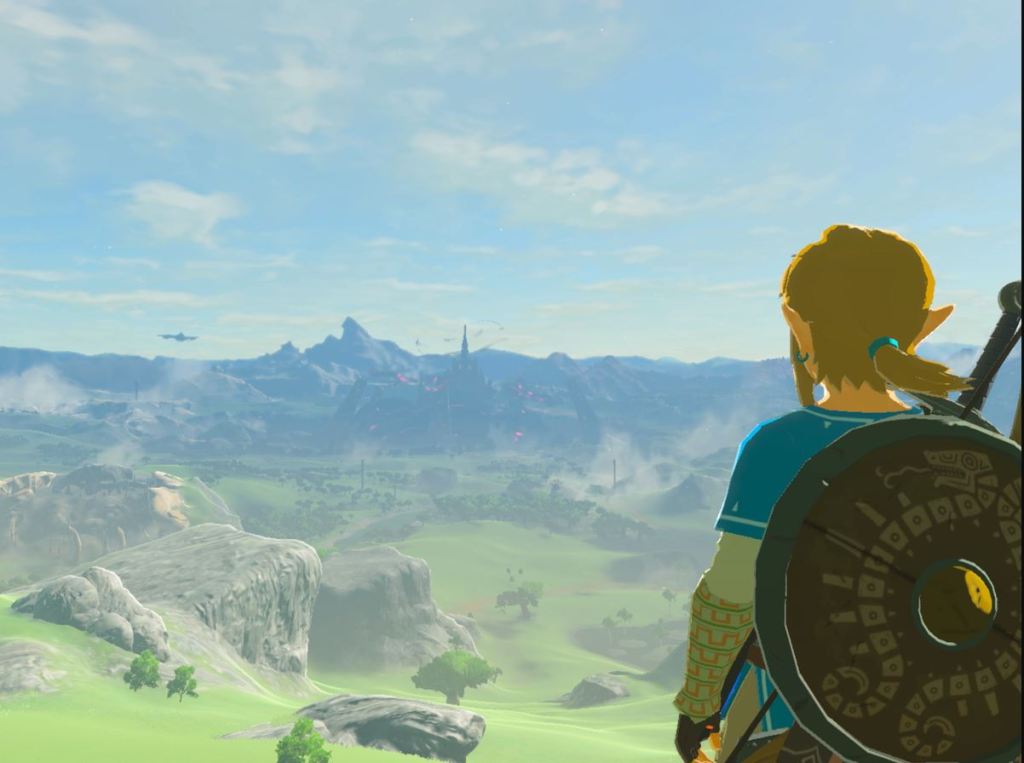
Given that psychological scarring, I tend to watch the output of the industry at a statistical level. While I believe the math is not there to support the take, I get it. I do. I used to say not everything has to be multiplayer. Not everything has to be Battle Royale. In fact, years before I became an RTS fan, I used to say everything doesn’t have to be an RTS. LoL. I was part of the problem. My own words and mentality led to the near demise of RTS’, until they slowly, but steadily made their comeback over the last couple of years.
Not every game has to be Open World. That statement is kinda…well, no shit. And not every game needs to be about a singular-genre. Or a Destiny-like. Or a Souls game. Or a gatcha game. Or a PvP multiplayer shooter. This same push-back is seen today very much around games as a service. But, again, the math does not match the narrative. The commentary. The truth is that every game is not any of these things. Maybe it feels like it is. Because that is the kind of game that is constantly on the front page of IGN. Or what is charting on Metacritic. But those types of games being in your windshield is more a matter of media coverage. And the fact that those other games that are out there? Gamers don’t play them. At least not the ones who speak so vociferously on social media. The claims that the industry is just churning out one type of game are not statistically significant and falls down when you true up the math. Is it bad that those games, types of games, games with those designs…get all of the attention. Yes. Maybe. But isn’t 50% of that and how it is interpreted and how it is perceived…a you problem?
 Rounding Off Infinity