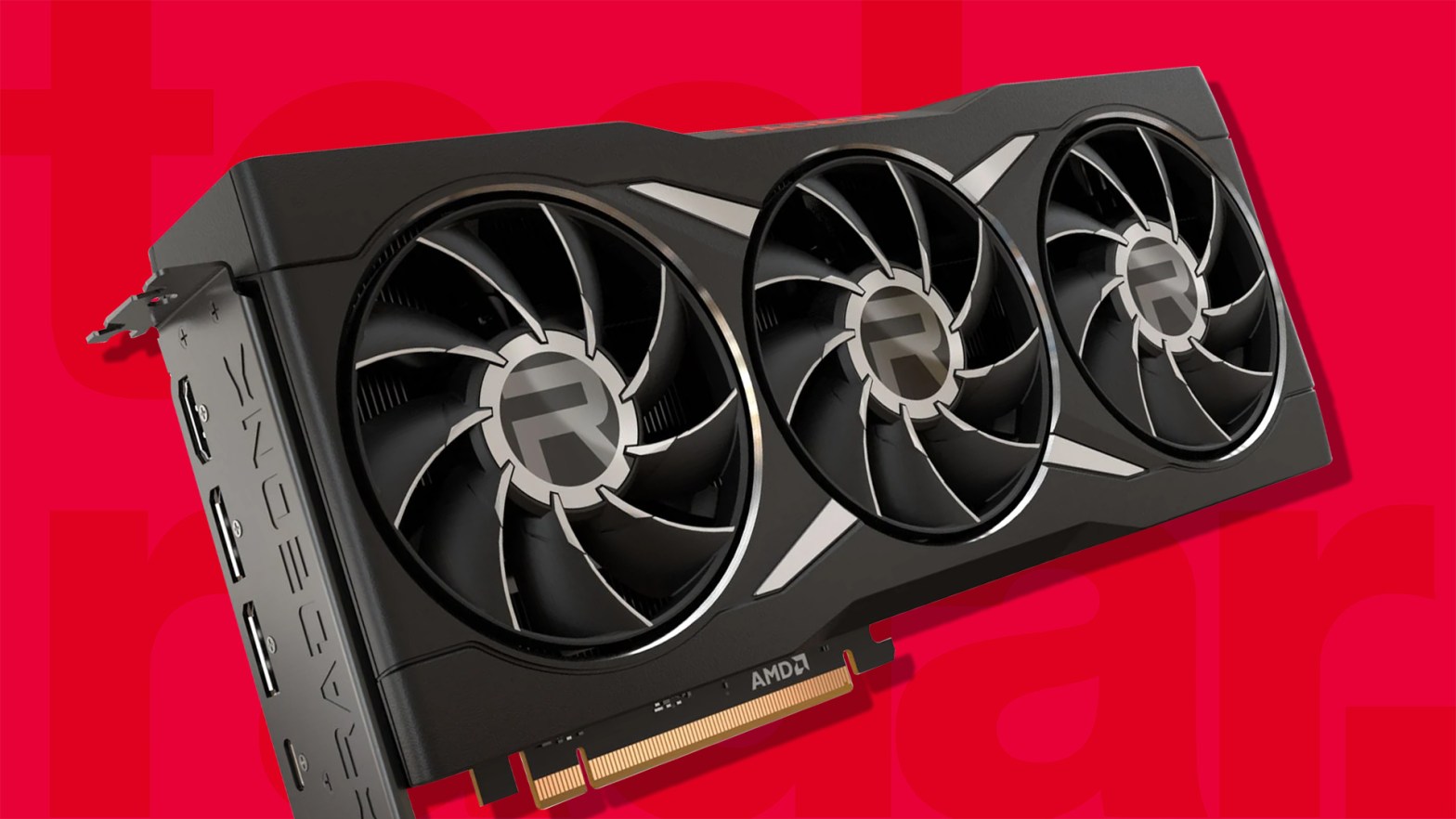
I am often concerned that AMD treats its PC gamer customer-base like a hobby. Unconvinced that it takes said marker seriously, or just uses it as a test and demo population sample as an RDT&E field for its console parts. I ran Radeon cards for a bit over a year. Specifically the XFX AMD Radeon™ RX 5700 XT Triple Dissipation 8GB GDDR6, which I ran in two builds. And the AMD Radeon™ RX 6700 XT Challenger Pro 12GB OC, which I still run in my Linux gaming build.
In that time, to say that I found the driver’s to be lacking is an understatement. Even without my anecdotal evidence, it is needless to say that the optics on drivers for Radeon cards are not good amongst the PC gaming market. AMD needs to find a way to address this perception, image, and convert their PC gaming exposure to good. And recent events show that this is not it.

Earlier this week, AMD announced that it would deploy a non-unified driver update to its Radeon series of cards, specifically for the 6000-series and older GPUs. What I think of as the mainline of GPUs and its associated drivers.
The drivers for the 7000-series line are not yet unified in the stack with the rest of the Radeon GPU products. The mainline driver package for Radeon cards has not been updated since early December. And while the LTS version of stable card drivers for Radeon has always iterated slower in recent years, with a beta version releasing first, this whole set of shenanigans seems obtuse. Presenting to customers that there is some technological nit that keeps AMD from unifying drivers amongst it’s product line would give me the wiggins if I were a prospective buyer.
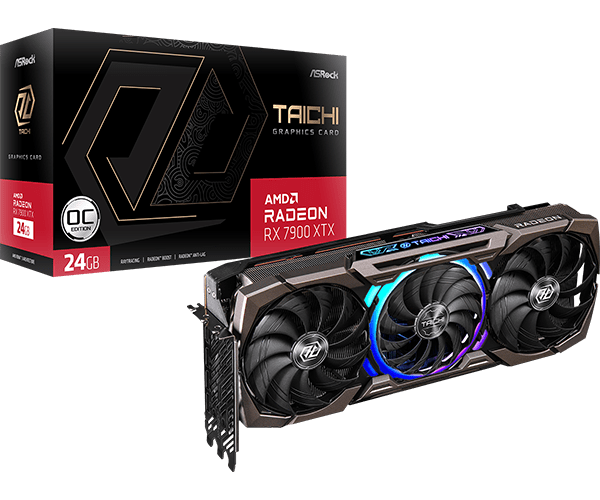
Enough to shake me off for the lower price that AMD typically offers? If there were the typical cost savings that going AMD and avoiding the nVidia-tax usually brings, maybe not. But right now, AMD’s best card trails nVidia’s best by about 20.3% in performance, and is 33% cheaper. BUT…for 25% less than the price of AMDs best, you can get the #3 desktop part from nVidia which has the same performance as the #1 AMD part. In fact the new laptop nVidia part performs better than the top Radeon desktop card.
And in that top Radeon part (and their number 2 as well), you have issues and reports on bad quality, heating problems, design and manufacturing problems which have already added to the bad look that hangs on those cards.
The dichotomy between the pursuit for performance that lies between AMD and nVidia is well-known and documented. AMDs place has always been value, price-to-performance, and drivers that iterate more slowly and are therefor more stable. If you take those things off the table, what is left to convince a buyer that they should go with AMD?
Now. If I’m an extreme bargain hunter looking to pick up a 6000-series card on the cheap, because the 7000-series cards seem all FUBAR’d, this presentation that there is something amiss within the systems engineering of AMDs product line might also give me pause and cause me to look at an nVidia option. Either current gen or last gen, depending on just how cash strapped I am.
It’s entirely possible that my past problems with Radeon card drivers…maybe this was me, not being able to strangle Windows 10 arbitrary updates enough, which sometimes seem to include hardware updates that monkey with the compatibility between AMDs drivers and its Adrenaline software. There was evidence of that; but the point is that AMD does not make this as self-managed as it should be and hasn’t worked closely enough with Microsoft to stop this from being a problem that is foisted on the user.
Even if it was a me problem, the fact of the matter remains that I never had this problem with nVidia, which seems to have everything needed for all SKUs in a given generation of cards within a single versioned instance of a driver update package. Whatever the root, it should not be the customer’s problem to sort it out, regardless of whatever I say about PC gamers needing to take on the responsibility of being their own sysadmin. At the end of the day, the result is that I continue to only recommend Radeon cards for Linux builds. Admittedly, it is a strong recommendation. I do not know why you’d suffer the expense and the imperfection of an nVidia GPU for a Linux build. But at least consumers do have the two options now, and with Steam Deck Verification being a real thing, the Linux option is actually viable. But AMD needs to either grow the Linux market base by partnering with Valve and Ubuntu to make ease-of-adoption Microsoft-simple. Or it need to be satisfied with its current meager market share and bank on server and consoles to be their real bread-winners, if they continue to have this misalignment and bad messaging.
 Rounding Off Infinity