
“Why aren’t we setting trends instead of following them?” It makes for good internet travel. Makes the rounds. Serves as a battle cry for those who dance whenever the pot is stirred. We both know that the answer to that is simple. Because you work at one of the largest 3rd party publishers and those dev teams do not get to take wild risks with the company’s money. Some do; onsie-twosie. Few. Infrequent. And never in droves. One at a time please. Single-file. New ideas please get to the back of the line.
While much ado was made about the gossip-worthy soundbite that allegedly was said to Yves Guillemot in the after-math of his developer call-to-action, there really is very little ado about it at all. Set-trends? Developers get that opportunity maybe twice in a career. 3 times tops. Because most games will be a derivative of themes from the successful games that have gone before it. Teams that build a strong enough argument to get a green-light on something previously unheard of; that’s lightning in a bottle. Think Media Molecule and Dreams. Large publishers will roll those dice on 1 to 3 teams at a time max in a five year stretch. And those games will get marketing budgets that make it seem like those games won’t lose. And that is the corporation’s intent. That any gamble needs to go big to win big. And winning big with those games is the only thing that is acceptable.

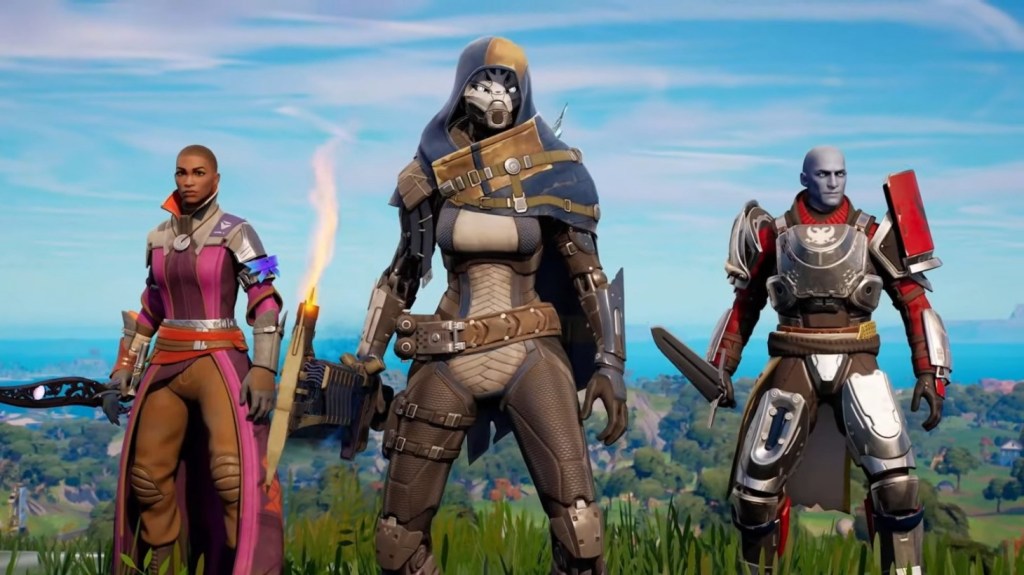
Souls games have set trends. Destiny has set trends with its incremental, almost episodic, content and recurring-revenue return-customer oriented business model. Assassin’s Creed has set trends; really all of the Ubisoft brands that followed the lead set by Red Faction: Guerilla and nailed the open world template as a guaranteed way towards success (for a time) .
And, by and large, those 3 templates are what the games industry has centered on over the past decade; with one or two additions.
That all being said, Ubisoft does have creative problems in its management of its production pipeline where it is dependent upon creatives. Because Ubisoft micromanages that creativity. And they became so full of their success, that they did not see early enough where they needed to make change. The classic Research In Motion (Blackberry) problem. But while that’s a chunk of their problem; maybe call that 50%… the other 50% is a problem that we like to call “just the games industry”. Activision and EA are not setting a trend other than throwing a bunch of money and people at annualized releases. Take Two is doing much of the same, and setting the “trend” of milking any IP that is making bank for as long as it possibly can; no point in making a sequel if the current game has the market stick-to-it-iveness of the Nintendo Switch. Sony isn’t setting trends. And Microsoft certainly isn’t.
In fact, the entire notion of “setting trends” voiced as if it is an indicator of creative thought leadership is wrong. Almost to the point of being laughable. The only factor that company’s look at to determine if a trend is worth following is…you guessed it…big revenue returns. And that leads to any trend being derivative.
If you want creative freedom, you need to look to indies, and any dev would need to work there. Or at least something at much lower scale than AAA. Anything that is trend-worthy in the games industry is going to be derivative; putting polish on an already worn idea and pumping the marketing up to make it sound as if it’s paving the way. When it is really just following a path that someone already cleared.
 Rounding Off Infinity