Gamers have a long existing love affair with trying to establish a game’s theoretical Metacritic or (choose another scale) review score before it is released. I get it. There is some joy in playing review score poker over the 12 – 18 months between a game’s announcement and/or E3 showing and its eventual launch. But this roiling turbulence in the cyclical conversation of gamers that is inherently anchored to the annual release cycle of games, gathers storm-like energy from our own inherent addictions. The appeal of gambling. The narcissistic leaning towards having to be right. And the extreme avarice for followership, attention, and credibility. None of these things are inherently “evil” or “wrong”. They are just common variables that characterize our discourse on games. And sometimes edge over a threshold where they influence our purchasing decisions and take on a life of their own reflected in our messaging.
Now, the latter half of that last statement, the stuff that happens after purchase…that’s a thing in consumerism (the need to feel justified in one’s purchase by championing a thing that they have spent money on), but maybe less of a flaw in our communications schema than others. We are used to this dynamic, and maybe it is less harmful to the development cycle and what can happen to a game in the lead-up to its release as a result of the developer / publisher interacting with the public. The stuff that comes before launch is the factor that can tank or torpedo a game before it ever leaves the tube.
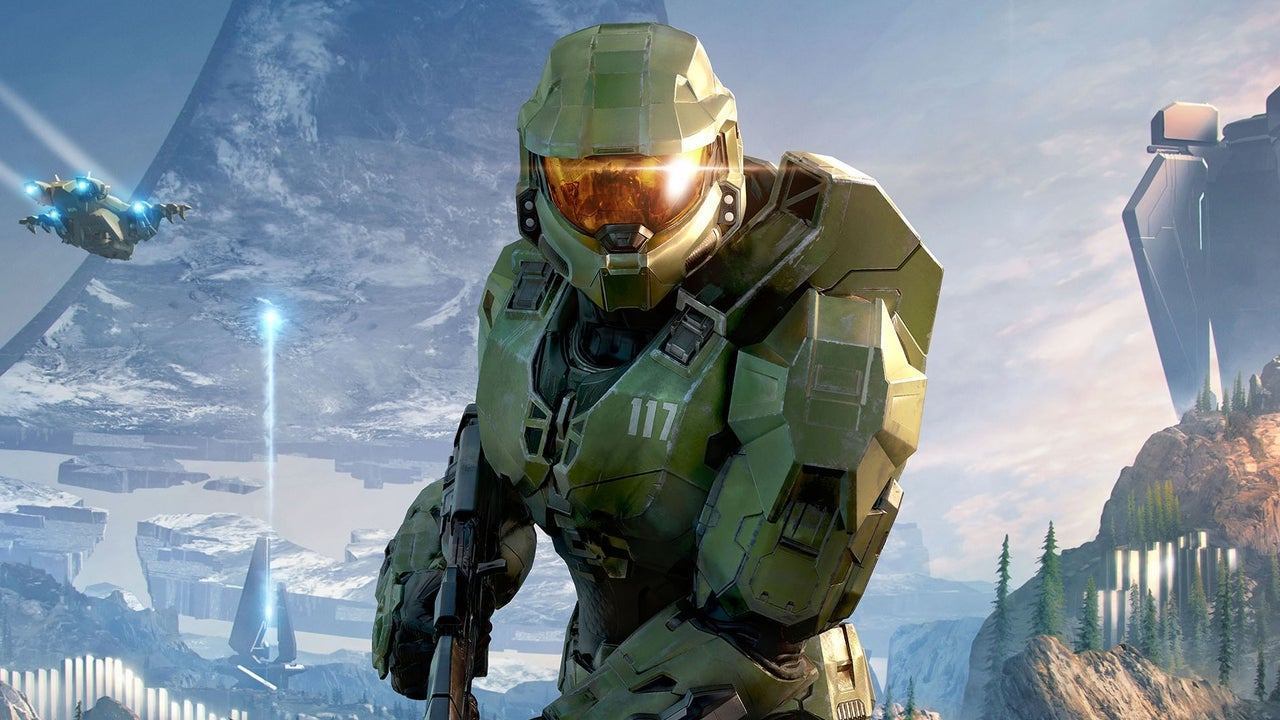
All of these reflections are driven by how today has unfolded. The video presentation of the Halo Infinite campaign as well as the Guerilla Games Developer Blog Part 2 post over on the PlayStation blog which showed off healthy amounts of Aloy’s environmental traversal modalities, sucked all of the air out of the room in today’s news cycle.
It was good stuff on both parts. But this element of gaming journalism and industry study I have become less and less enamored with over the years. The reality is that for a very long time, I’ve ceased caring about a game that hasn’t been released yet. There are a few steps along the way that pique my interest. The announcement. Tech information (engine mostly and anything else pertinent). Any pricing and/or business model and content announcement. And the release date and any delays. These constitute about four or five singular blurbs of text that come out of the marketing cycle in the lead-up to launch. But the endless speculation about whether a game is going to be good or not?
I’m a firm believer that you don’t know whether a game is good or not until after it’s released. For a game-as-a-service, you don’t really know until the game has been out in the wild for a month or two and received its first two content drops. As someone who also reviews tech products, people endlessly speculate each year on what we’ll see on that year’s iPhone, Galaxy S, Pixel, Surface…you name it. And I know from 20+ years of reviewing hardware, the only way I can tell if a device is good is to live with it for a few months. Which I can’t do until I have final released hardware in my hand. The same is true of games.
A recent biennial survey conducted by IGN and Nielsen found that for ~70% of gamers, genre was the prime motivator for gaming purchases. 38% of those surveyed said franchise. It also identified categories of gamers that don’t pay attention to gaming news, only care about price in deciding on gaming products (free being the best), and an attachment to older game models and franchises.

All of this is to say that my own evaluation of the survey results is that we are motivated by so many factors, especially in pre-release, other than by whether the game is good or not. In pre-release, it’s an absolute truth, because we can’t know.
Look. I like playing poker as much as the next fella. But I can’t make a final call on a game until it drops. In my daily life, I have to decide when my team’s code is ready for release. I leave it to the developers and publishers, creative directors and producers to make the same call. I’ll judge whether I am satisfied with it after the fact. If a game drops and it’s not good, I’ll play something else. I try to keep my own customers away from vendor lock-in, and I make my own product and service choices the same way. In my recent post on never getting attached to a game, those salient points are echoed here in their relevance. I’m a lifelong gamer. I often struggle to manage my time in what I want to get around to playing. If a game hits different in its release form, it’ll make it’s way onto my playlist. If not, there’s so many other things to play, I’m likely not remember much until we discuss the year-end wrap ups on the Enough 2 Keep Going podcast.
 Rounding Off Infinity
One thought on “The Inevitable Truth is You Don’t Know Whether a Game is Good Until it is released”
Comments are closed.